
Growth & Development
Development from 1 to 3 Years
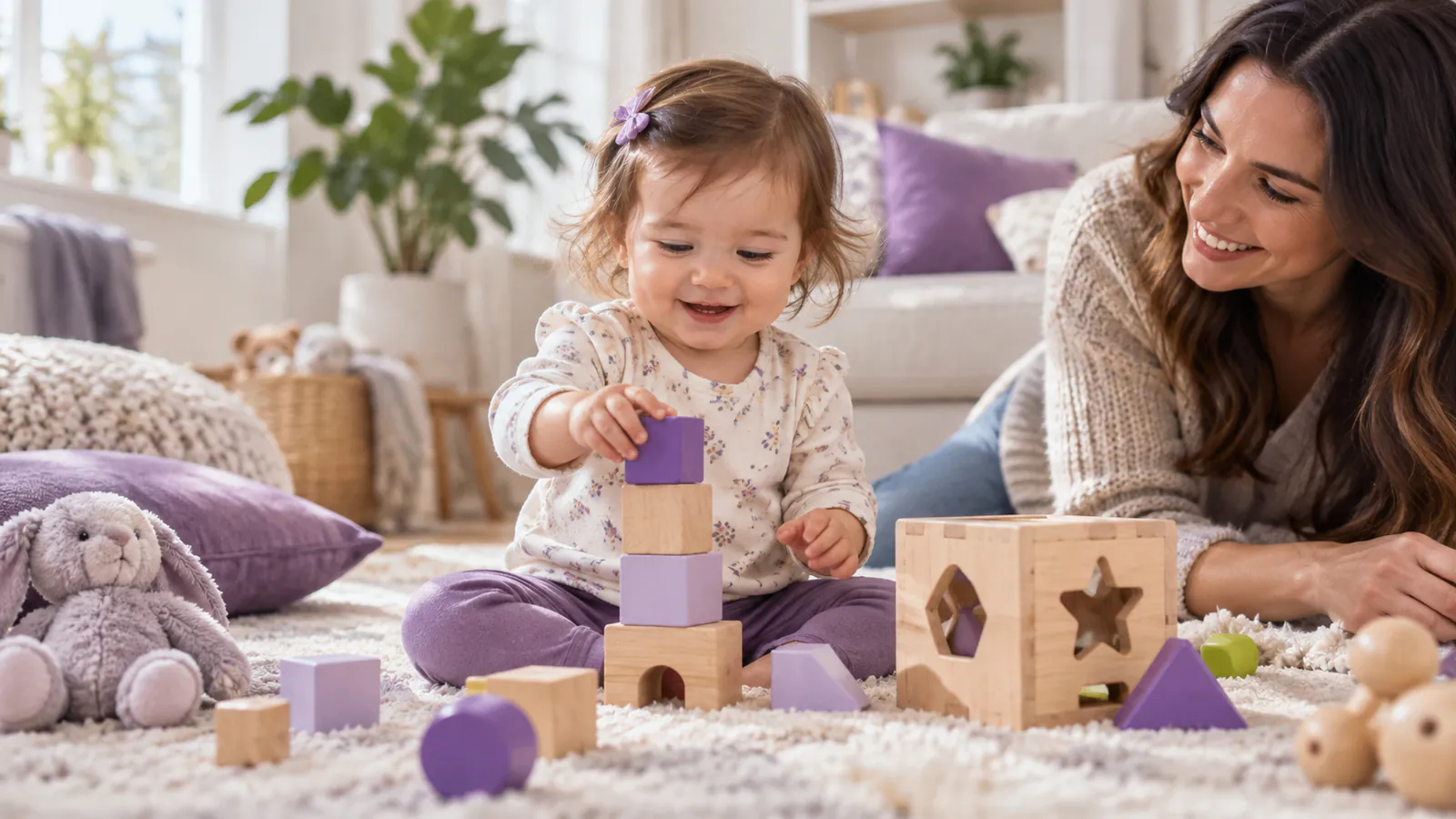
Learn what to expect as your child grows from 1 to 3 years, with everyday ways to support movement, communication, play, and emotional growth—without pressure or checklists.
- 1-3 Years

Everything you want to know, in one place
All articles, guides, videos, and content in one place — from our experts.
Explore, filter, find again
Browse the archive by age, topic and type.
13 items
Learn what to expect as your child grows from 1 to 3 years, with everyday ways to support movement, communication, play, and emotional growth—without pressure or checklists.
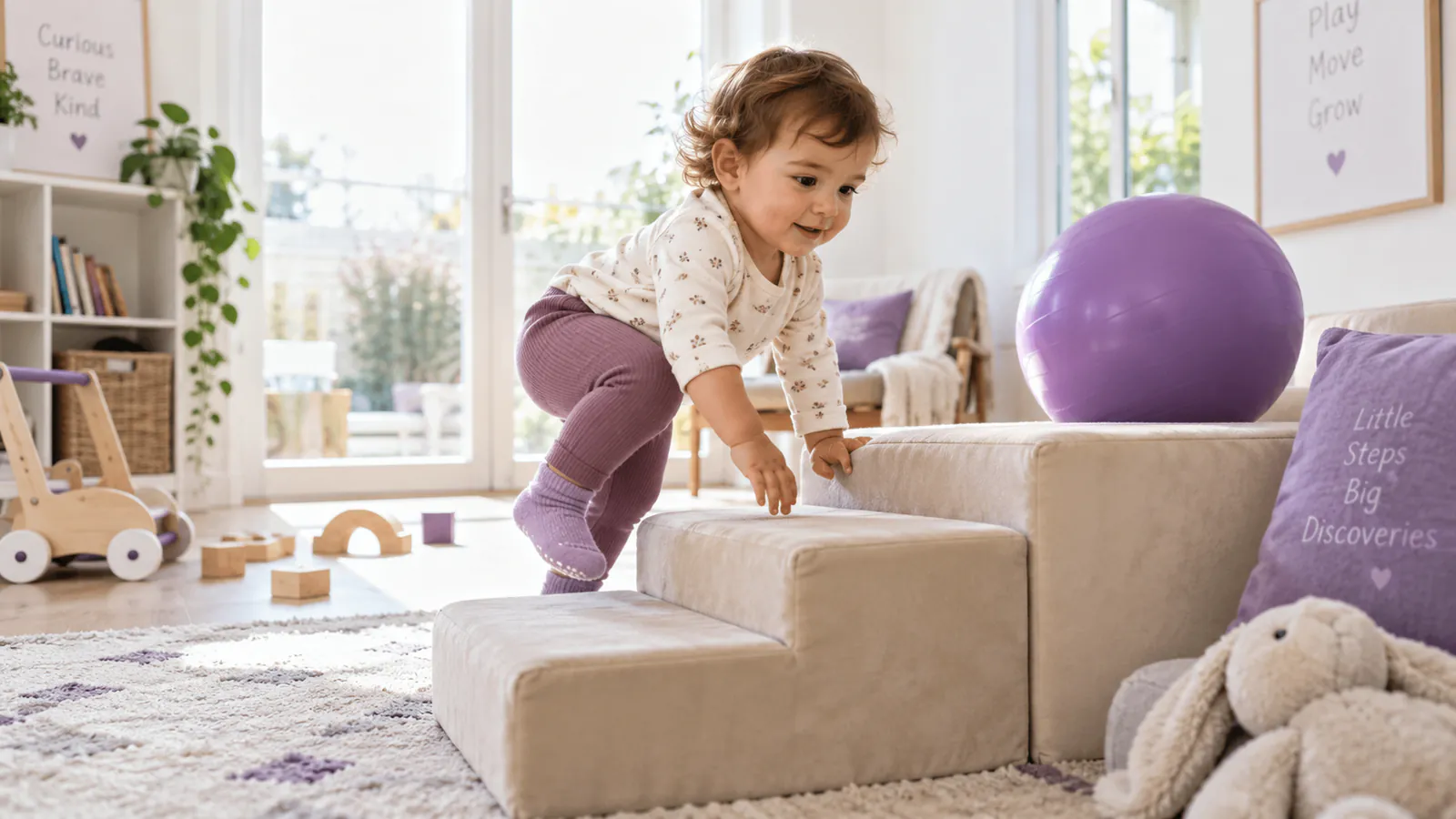
Learn how to support your toddler’s motor development through everyday play and routines. Discover safe, child-led activities that build strength, coordination, and confidence without pressure or screens.
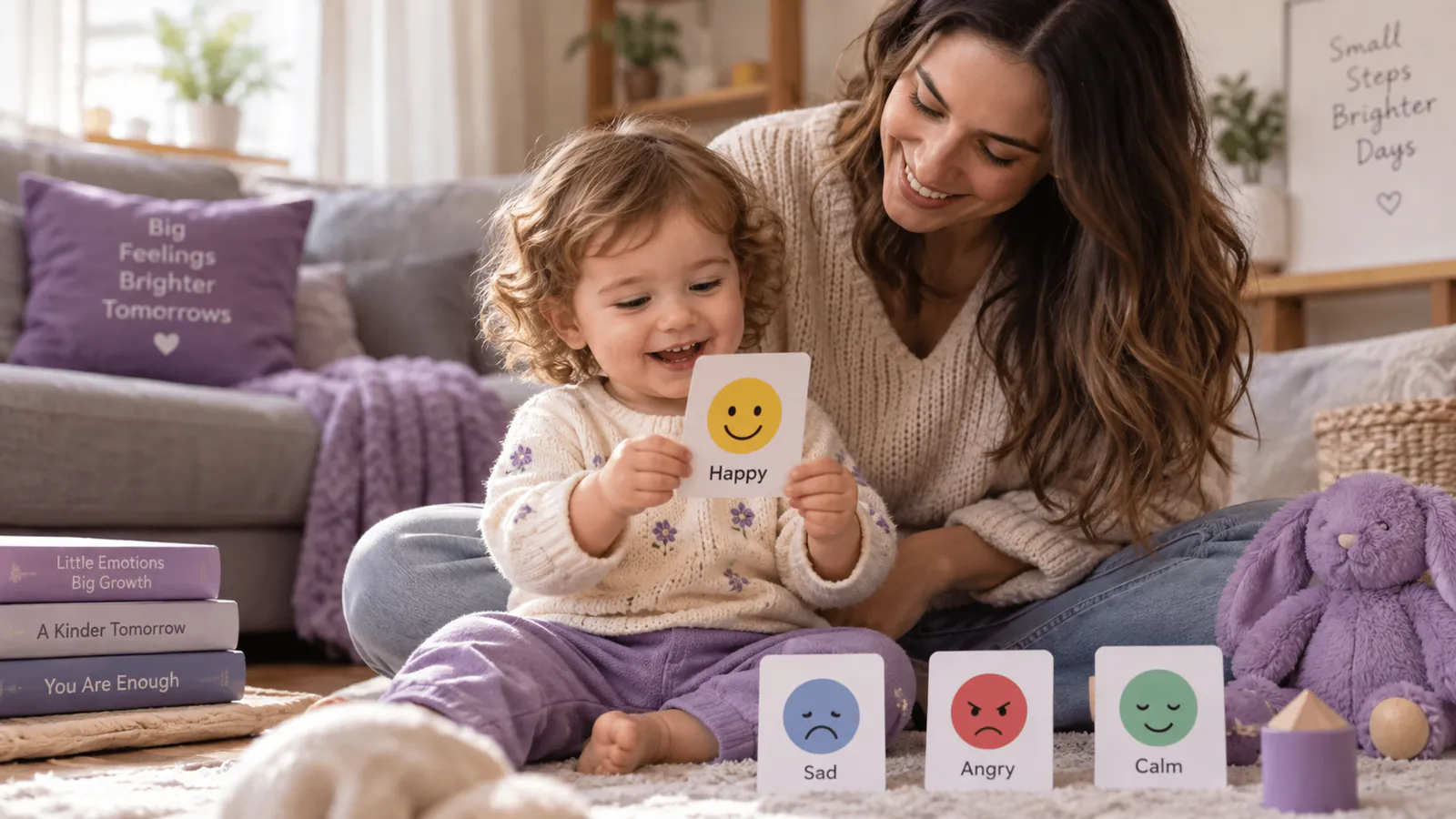
Learn how to support your toddler’s emotional growth with everyday routines, clear limits, and calm connection. Discover what’s typical, how to respond to big feelings, and when to seek guidance.
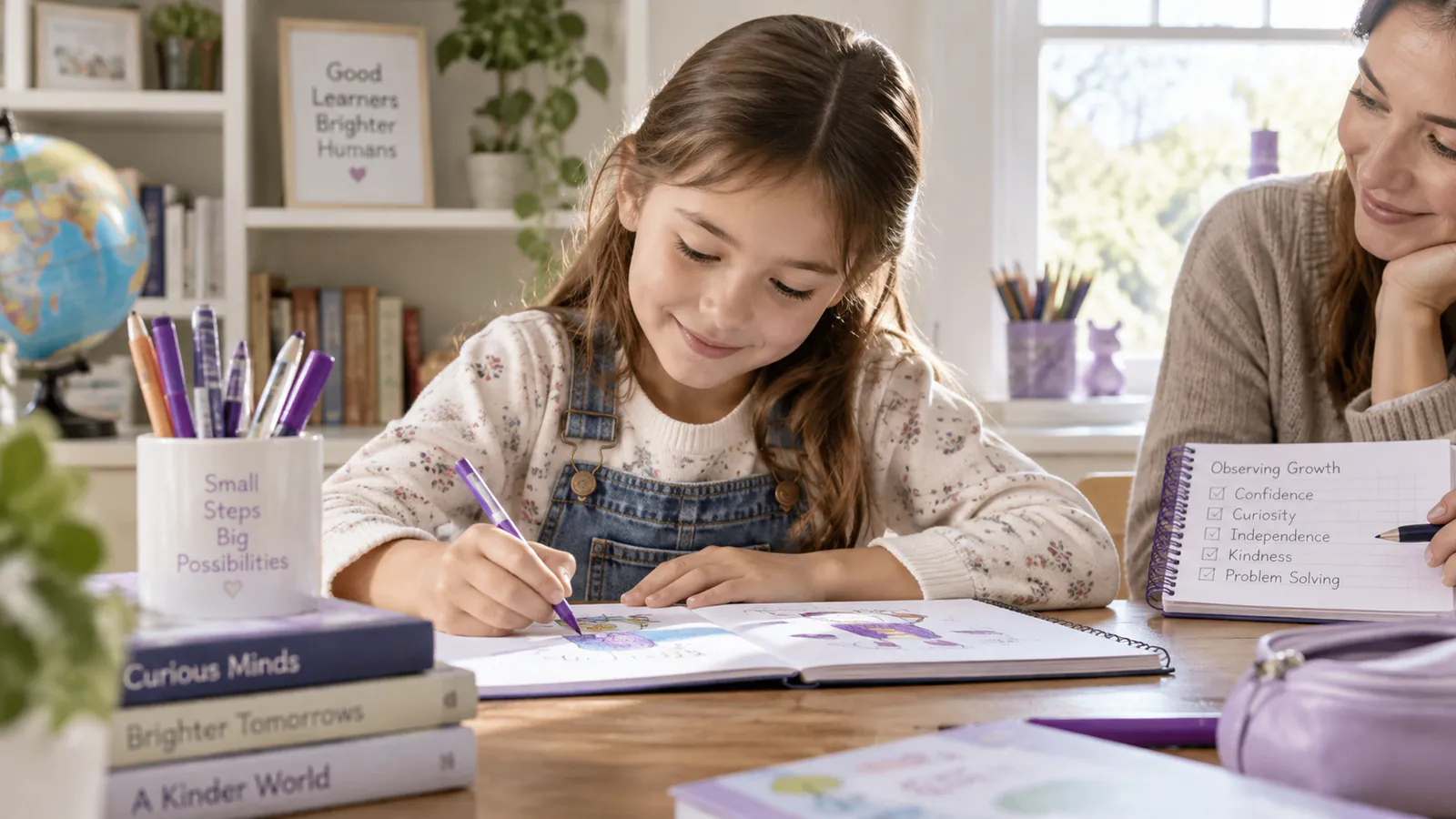
Learn what to expect as your child grows between ages 6 and 9, with practical ways to support their unique development across movement, learning, emotions, and friendships.
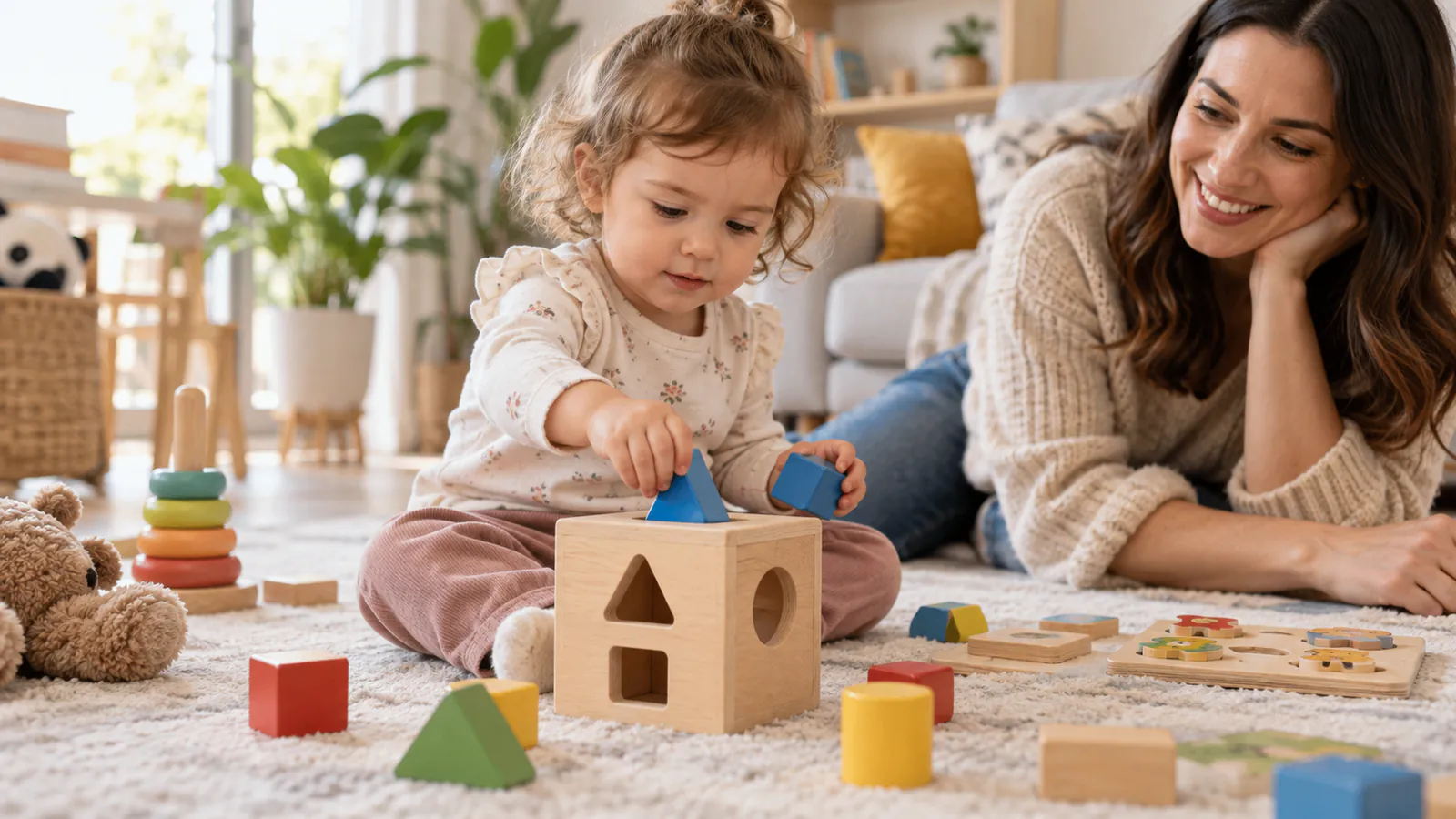
Learn how to support your toddler’s thinking, problem-solving, and language skills through everyday play and routines. Discover low-cost, science-backed strategies to nurture cognitive growth without pressure or expensive tools.

Between ages 9 and 12, children grow in overlapping waves of physical, cognitive, and social change. Learn how to recognize broad developmental patterns and provide steady support through routines, conversation, and shared responsibility.
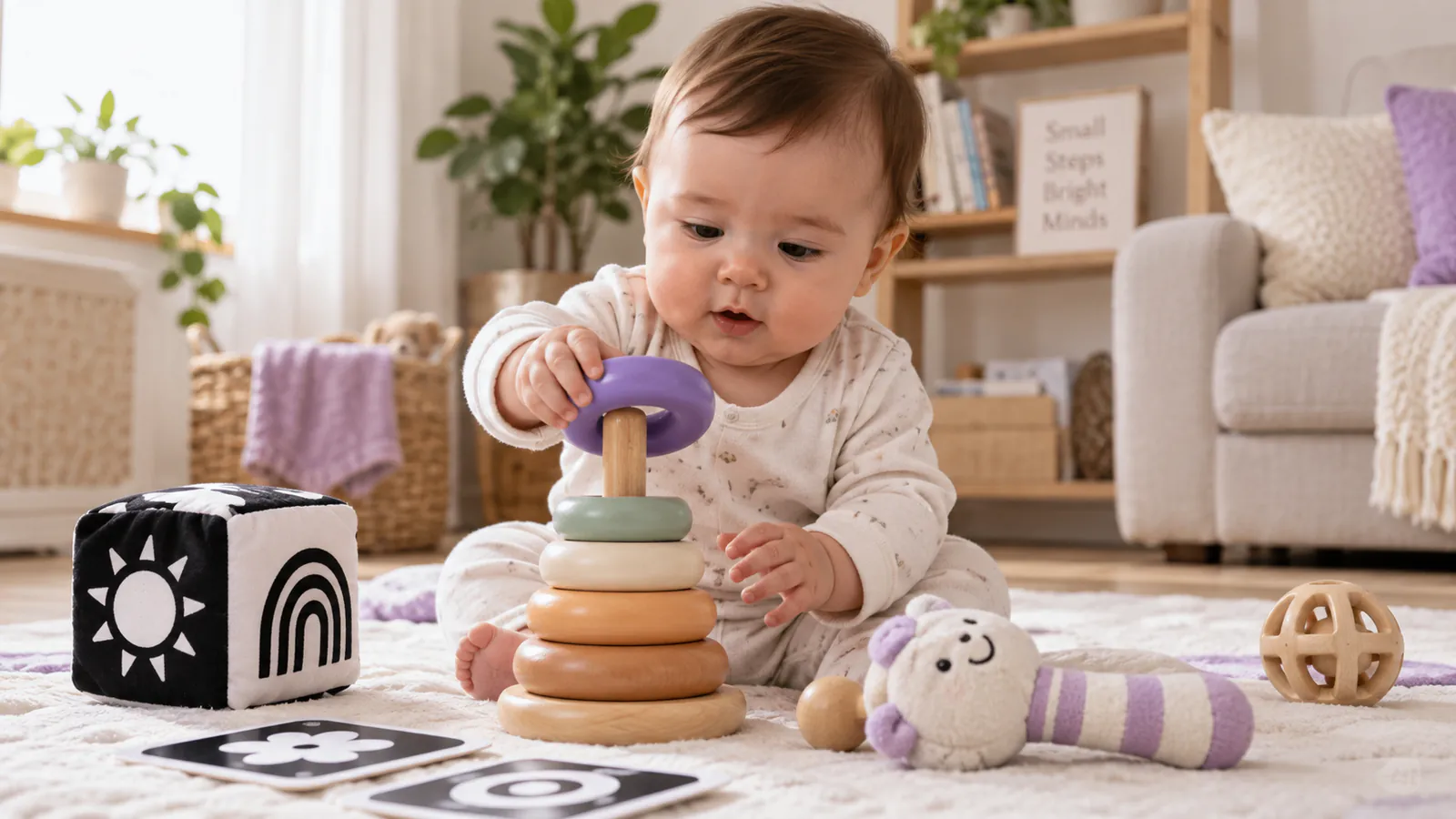
Learn how cognitive development unfolds in the first year through attention, memory, and problem-solving—all within everyday interactions. Discover responsive ways to support your baby’s growth without relying on screens or products.
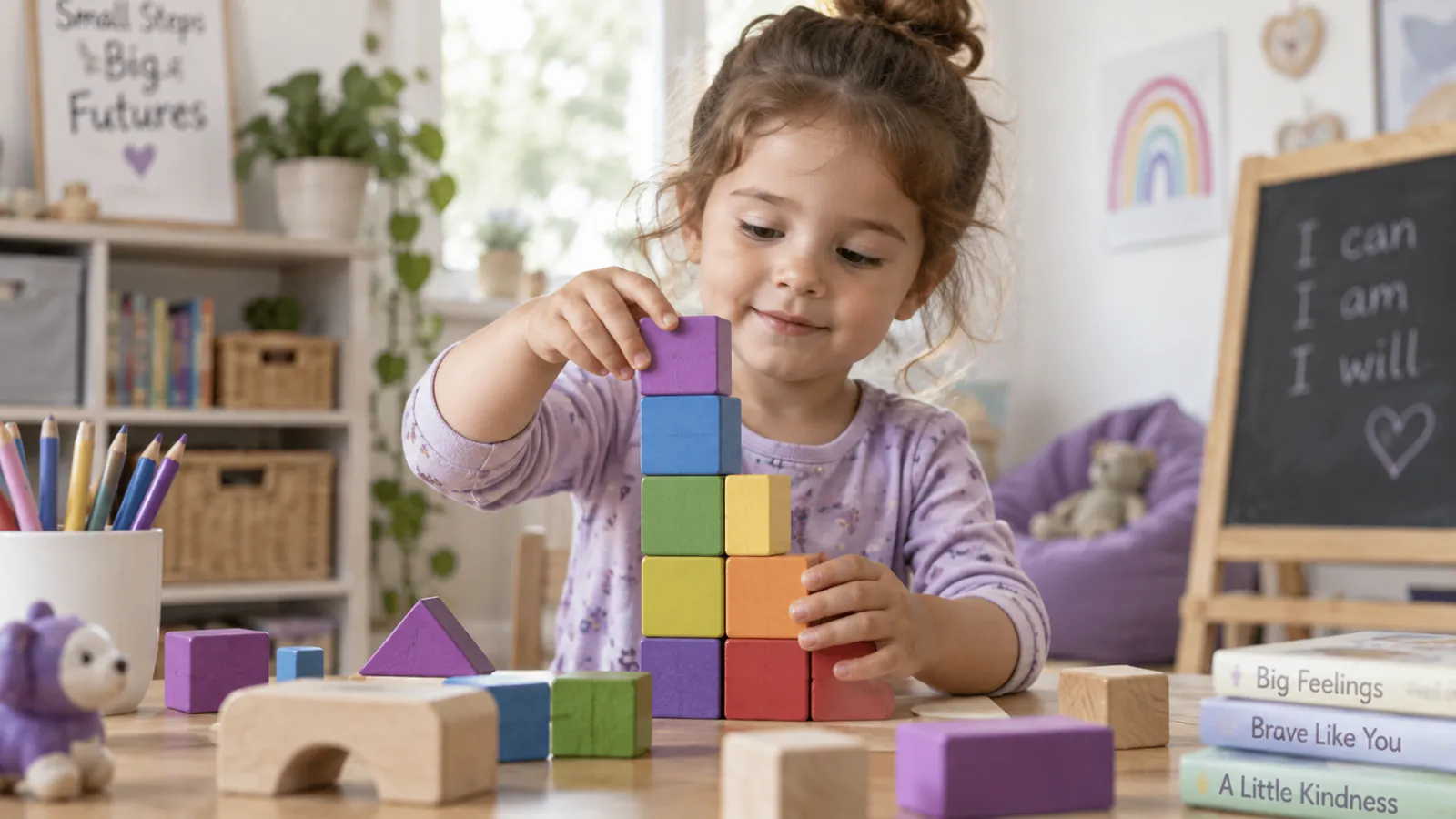
Understanding typical developmental milestones between ages 3 and 6 can help parents support their child’s growth through play, routines, and responsive interactions. Learn what to expect and how to encourage progress without pressure.
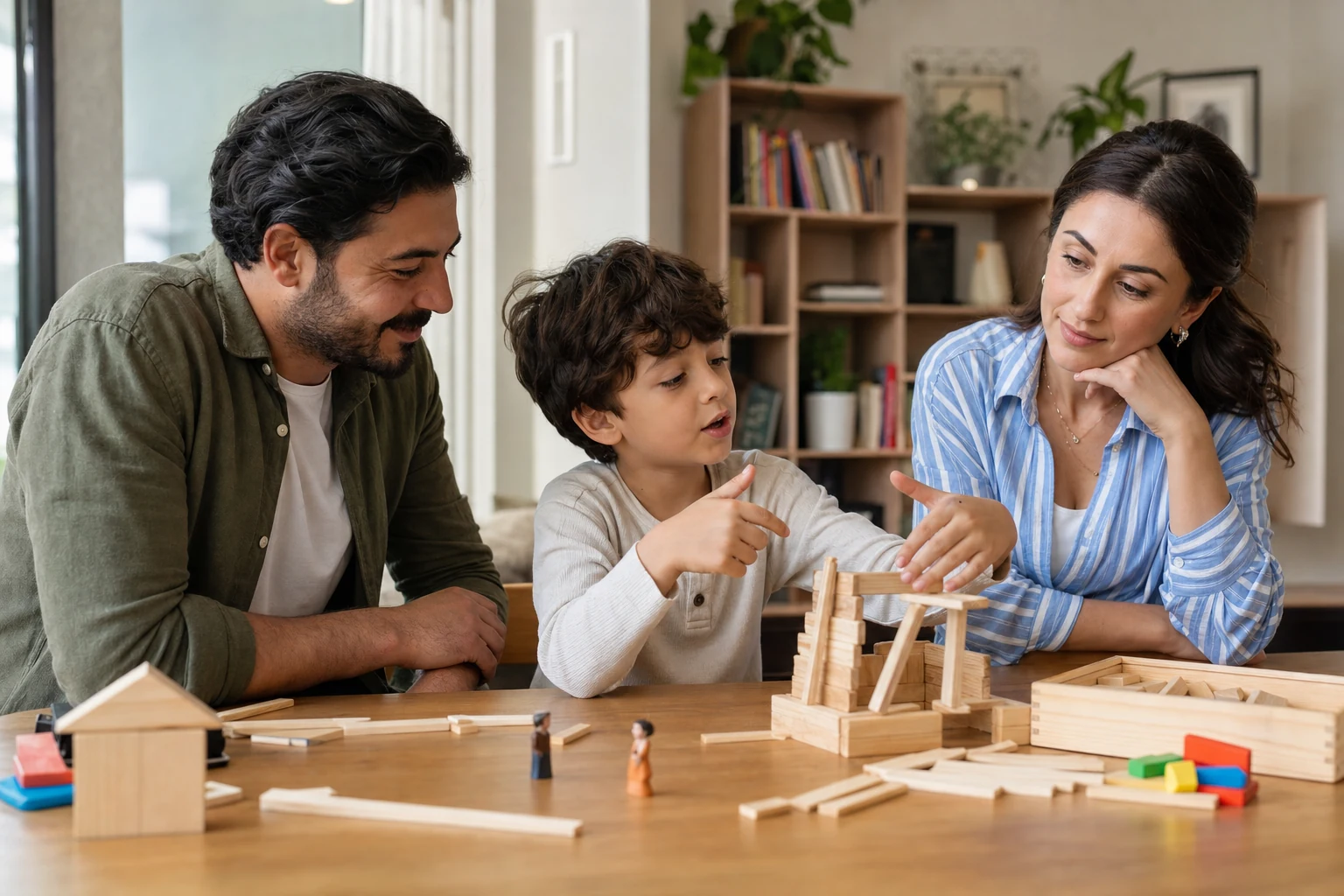
Understand child development as a variable, interconnected process shaped by context, opportunity, and individual differences. Learn how to observe, support, and nurture growth through everyday routines without rigid timelines or comparisons.
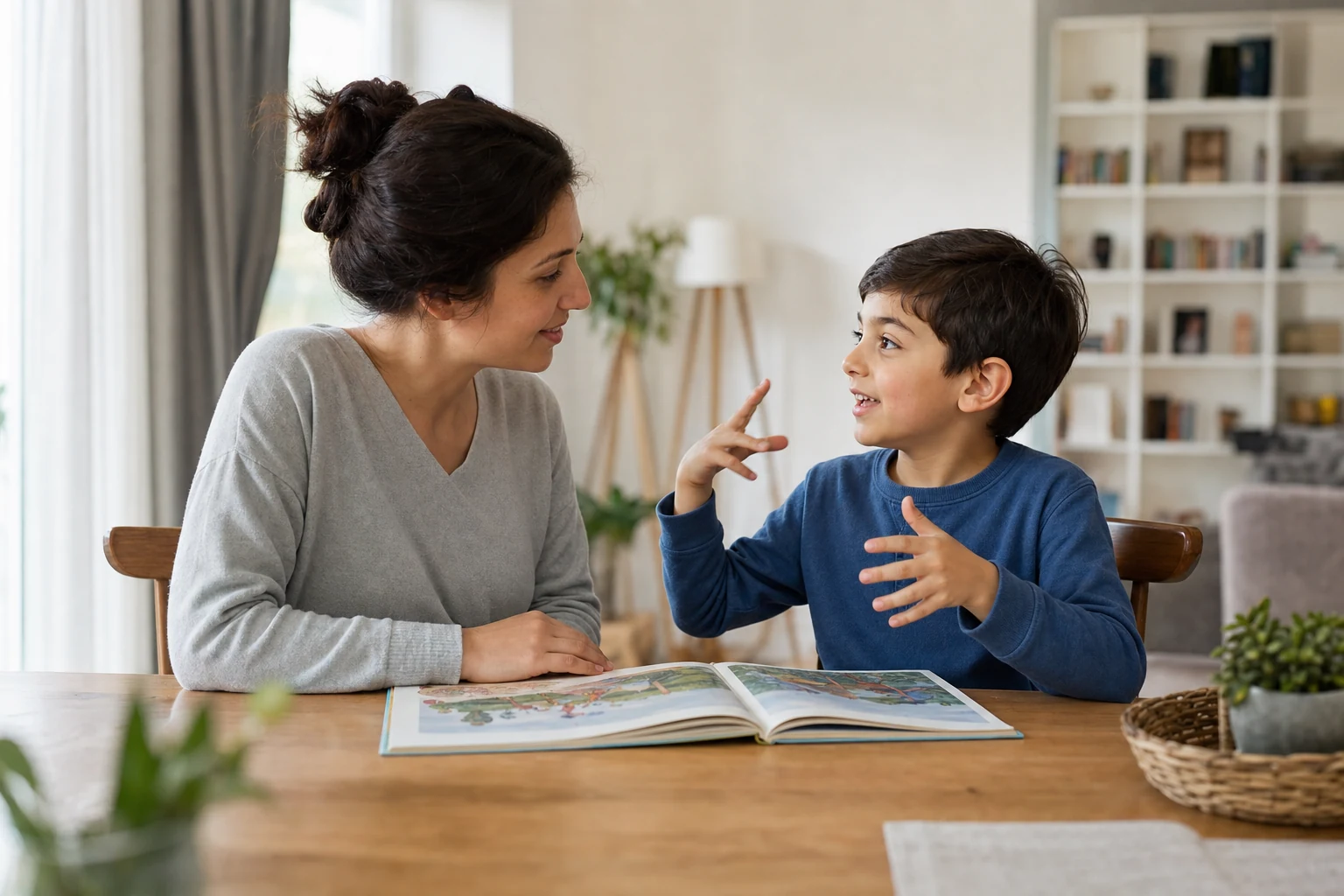
Practical ways to support your child’s growing ability to explain ideas, follow classroom routines, tell stories, and build friendships through everyday conversations and shared reading.

Children aged 9–12 often become more private, compare themselves with peers, and experience complex emotions. Learn how to support their emotional growth with calm boundaries, respectful listening, and problem-solving that honors their growing independence.
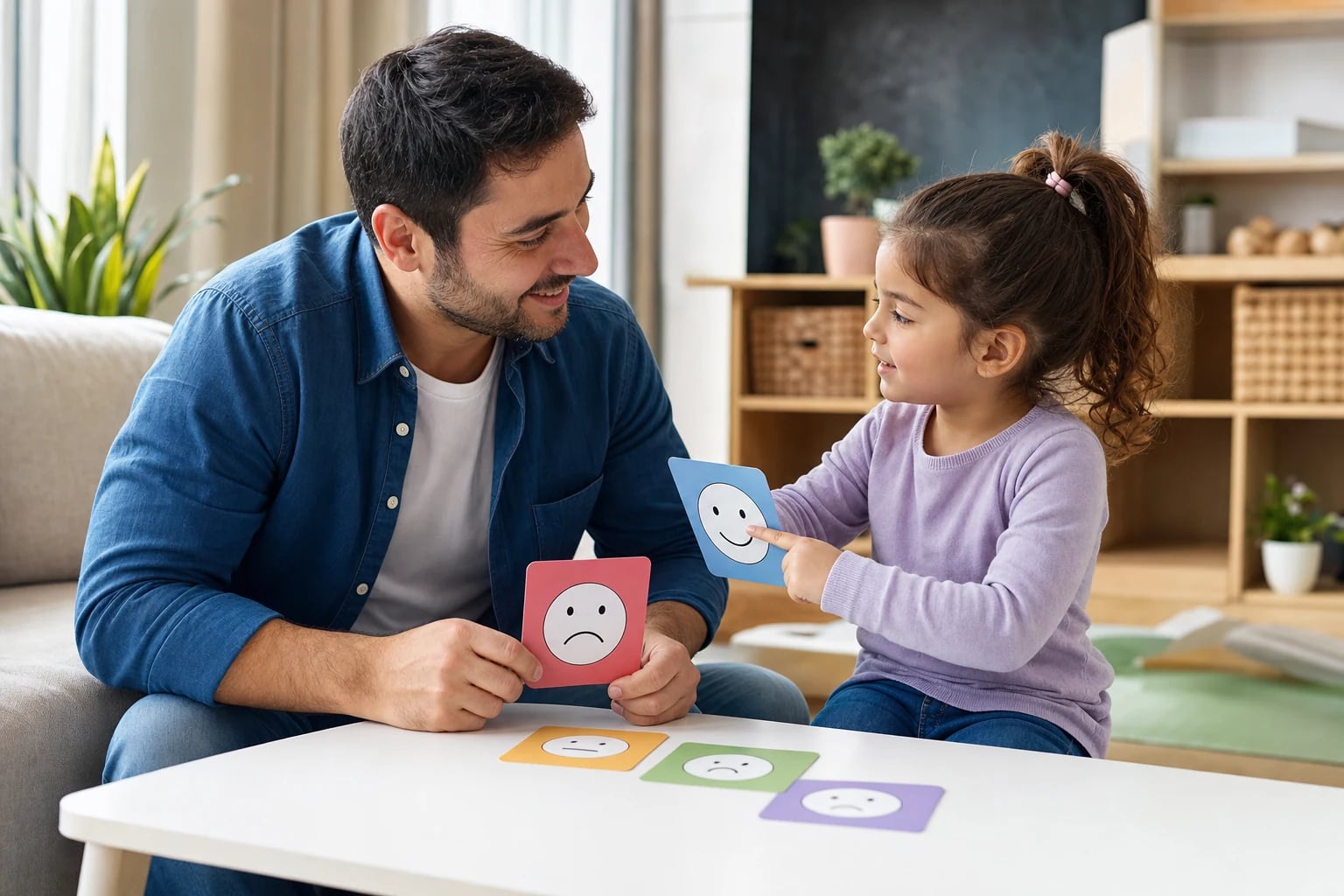
Learn how to support your preschooler’s emotional growth through play, routines, and co-regulation. Discover practical strategies for big feelings, sibling conflicts, and preschool transitions.
Our experts are here for you
Articles include sources and editorial information. Expert approval is shown only when a verified review exists for that version.
 İlyas ÇAĞLAYANCreative Drama and Basic Acting Instructor
 Neşe ARSLANChild Development
 Sevil GÖRENEducation Manager
 Yonca Büyük AYDİNÇPreschool Teacher & Child Development Specialist
We would like to collect anonymous usage data to improve the site. If you decline, only essential features will run. There is no individual tracking in the children's area.