 lumiya.com.tr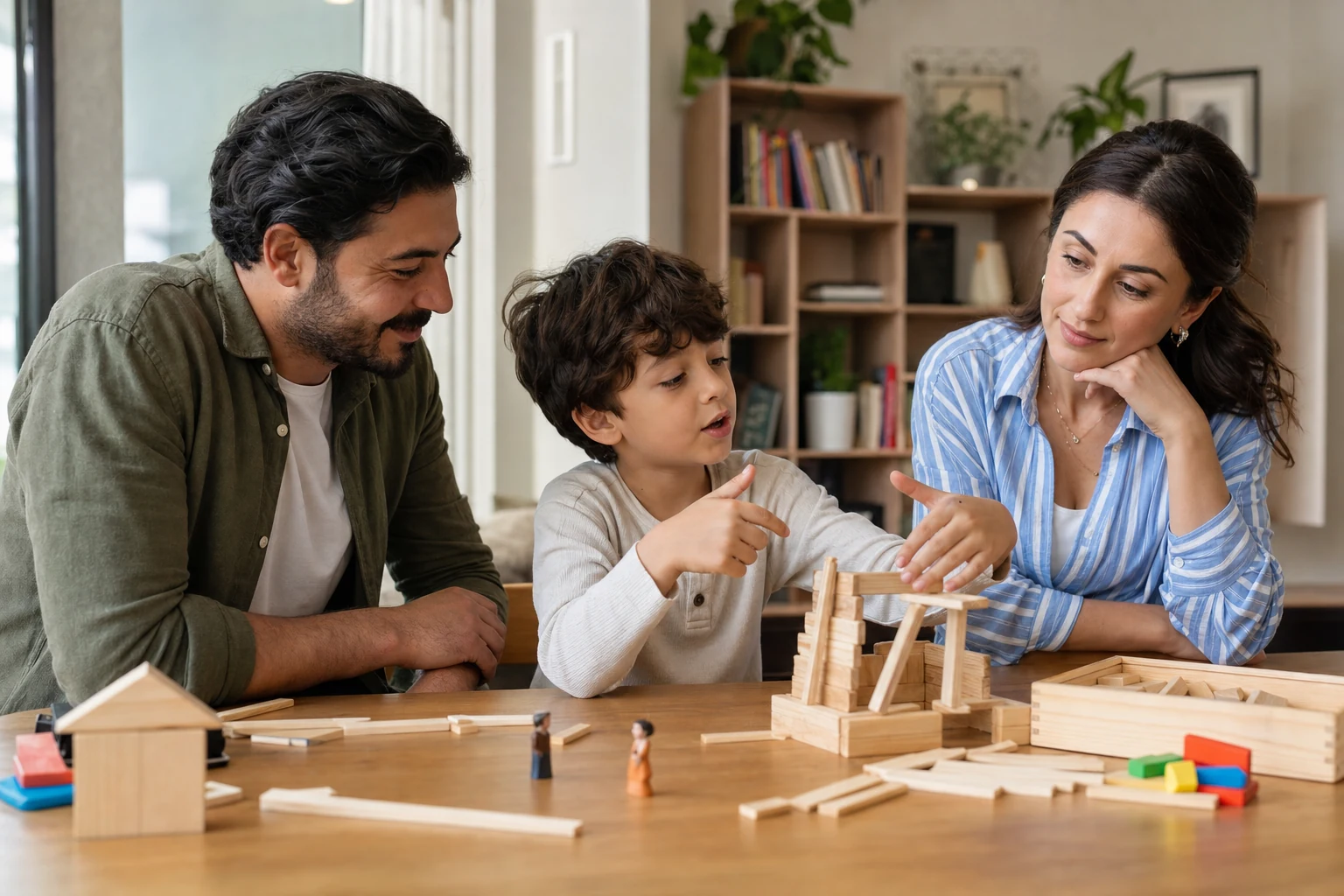
Every child grows at their own pace
Child Development: What to Expect at Each Stage
Understand child development as a variable, interconnected process shaped by context, opportunity, and individual differences. Learn how to observe, support, and nurture growth through everyday routines without rigid timelines or comparisons.
General Information: General information only; it may vary from child to child. Talk to your doctor or a specialist before making decisions.
In short
- Child development is a unique, interconnected journey shaped by context, opportunity, and individual differences—not a race or checklist.
- Focus on noticing what your child does in ordinary routines and offering accessible play and participation.
- Follow your child’s lead, model small next steps, and reduce unnecessary pressure to support natural growth.
- Share observations with other caregivers or schools and review progress over time to support ongoing development.
Lumiya Editorial TeamBased on 4 sourcesOur editorial standards
Our tool for this topic

A safe adaptation that fits family circumstances is more practical than searching for one correct method.
What is child development and why it matters
Child development is not a race with a finish line. It’s an interconnected journey shaped by biology, environment, and the unique child in front of you. Physical growth, communication, thinking, emotions, social skills, and daily routines all develop together, not in neat steps.
Development is also influenced by context: the language spoken at home, cultural traditions, family routines, health conditions, neurodiversity, and access to safe spaces to explore. A child growing up in a quiet rural home may develop motor skills differently than one in a busy urban apartment, yet both can thrive with supportive caregivers.

Development unfolds in many ways. If you notice a loss of previously used skills, markedly reduced responsiveness, feeding or breathing difficulty, sudden movement or coordination changes, persistent barriers to communication or participation, severe distress, or safeguarding concerns, contact your local child-development, educational, health, or emergency support services promptly.
How to observe and support growth in everyday moments
Instead of checking off milestones, try an observation-based approach. Notice what your child does naturally during ordinary routines: dressing, mealtime, bath time, grocery trips, or quiet play. Do they reach for a spoon with both hands? Point to a favorite toy? Giggle when you hide behind your hands? These small actions reveal their current skills and interests.
Offer accessible play and participation. If your child loves stacking cups but struggles with crayons, keep the cups handy and add a soft block for variety. If they hum but rarely speak, sing songs together and wait patiently for their turn to join in. Reduce unnecessary pressure by focusing on connection over achievement.
Share your observations with other caregivers or school staff. A grandparent might notice your child’s patience during storytelling, while a teacher sees their curiosity in group activities. Together, you build a fuller picture of your child’s strengths and needs. Review these observations over weeks or months to see how your child changes—not to compare, but to understand.
A simple observation table
| Routine/Context | Observable Skill or Difficulty | Support Offered | Child’s Response | Participation Impact | One Next Step |
|---|---|---|---|---|---|
| Morning snack time | Uses fingers to pick up crackers, not whole hand grasp | Placed crackers on a small plate within reach | Tried to pick up, dropped some, giggled | More independent eating attempts | Offer a slightly larger cracker next time |
| Park playground | Climbs low steps but avoids sliding | Held hand while climbing, modeled sliding slowly | Climbed steps, watched others slide, then tried with support | Increased confidence on playground equipment | Add a small slide at home with supervision |
| Bedtime story | Points to pictures and names some animals | Read same book nightly, paused to let child name animals | Named three animals, asked for another story | Longer attention span, more verbal engagement | Introduce a new animal book with familiar characters |
Supporting different areas of development
Development spans many overlapping areas. Physical and motor skills include both large movements like walking and small ones like holding a spoon. Communication and language cover sounds, words, gestures, and understanding. Learning and thinking involve curiosity, problem-solving, and memory. Emotional regulation means managing feelings in healthy ways. Social participation includes sharing, taking turns, and responding to others.
These areas are not separate boxes. A child who struggles to sit still during storytime may still show deep focus when building with blocks. A child who speaks little may communicate volumes through eye contact and gestures. By offering varied opportunities—outdoor play, quiet reading, messy art, and predictable routines—you help your child practice skills in ways that feel safe and engaging.
Temperament also plays a role. Some children are naturally cautious and need extra time to warm up to new people or places. Others are bold and dive into activities quickly. Neither is better; both benefit from caregivers who respect their pace. If a child is neurodivergent or has a disability, they may develop some skills differently, yet still show remarkable strengths in other areas.
Language, culture, and development
Home languages are assets, not obstacles. If your family speaks Spanish, Tagalog, Mandarin, or any other language at home, keep using it. Children thrive when they hear rich, varied language from birth. They may mix languages as they learn, and this is normal. Provide plenty of opportunities to hear and practice each language through songs, stories, and conversations.
Culture shapes how children express emotions, participate in routines, and interact with others. A child raised in a culture that values quiet observation may seem less verbal in group settings, yet deeply engaged in one-on-one play. Another child may express excitement loudly and physically, which can look different from quieter cultural norms. These differences are not deficits; they reflect the child’s environment and upbringing.
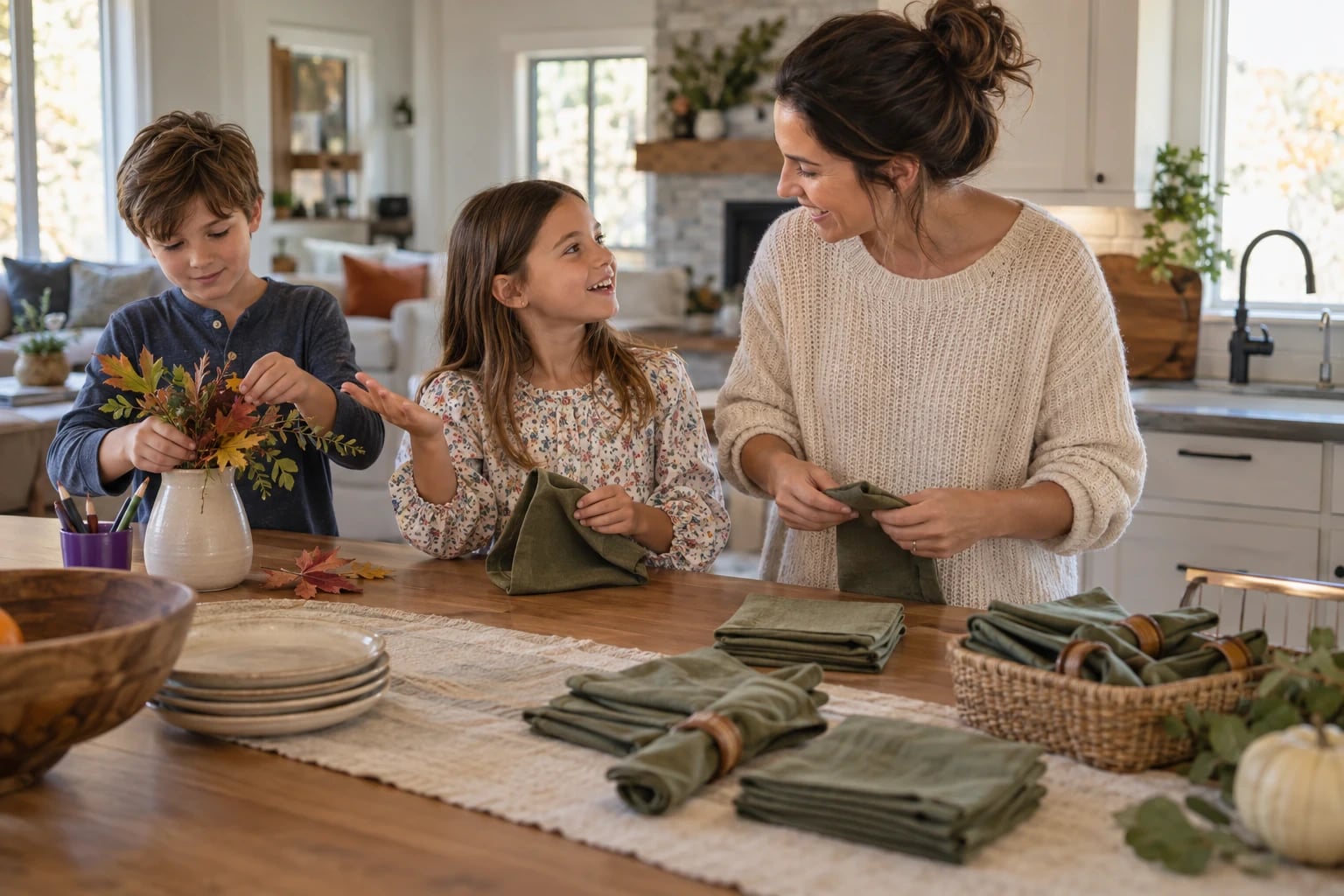
Routines also matter. A child who helps set the table or fold laundry learns practical skills while feeling capable and connected. A child who joins family meals or walks to the park with caregivers builds social and motor skills in real-life contexts. These everyday moments matter more than flashy toys or structured programs.
When to seek extra support
Most children grow and change without needing formal support. Yet sometimes, caregivers notice persistent barriers that don’t improve with time or adjustments. If your child loses skills they once had, shows markedly reduced responsiveness, has feeding or breathing difficulties, or experiences sudden changes in movement or coordination, reach out promptly. These signs may indicate a need for closer evaluation.
Other concerns include persistent barriers to communication or participation, severe distress during routines, or worries that don’t resolve after trying supportive strategies. In these cases, talking with your child’s pediatrician or a local early childhood specialist can provide clarity and next steps. Early support is not about labeling or fixing a child—it’s about understanding their needs and connecting them with the right resources.
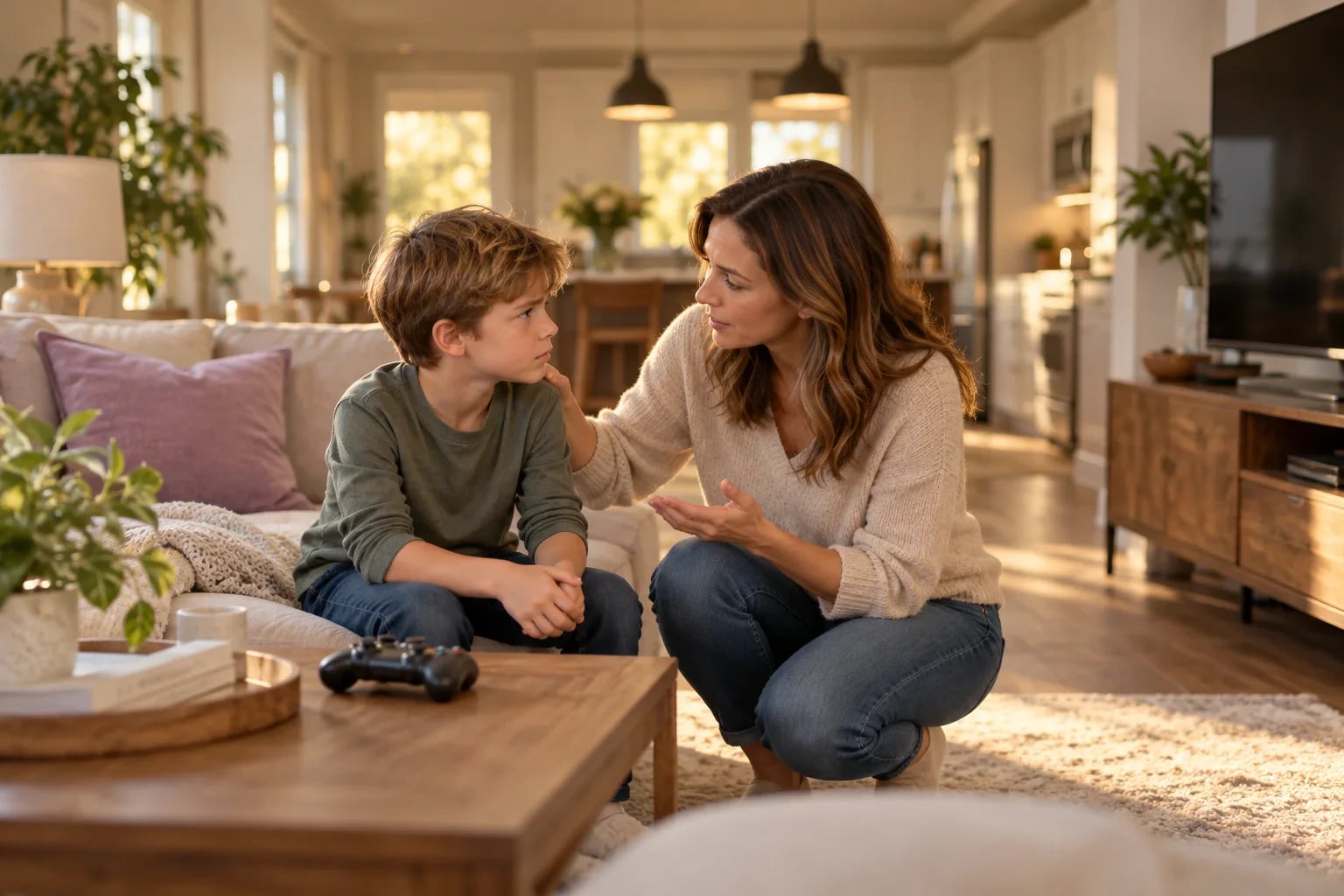
Trust your instincts as a caregiver. You know your child best. If something feels off, even if others say it’s “normal,” it’s okay to ask questions. Share your observations with professionals who listen and respond with care. Together, you can decide whether extra support is needed and what kind feels right for your family.
Small steps, big impact
You don’t need special tools or programs to support your child’s development. Start with what you already have: your presence, your routines, and your curiosity. Notice what your child does well. Offer play that feels joyful, not pressured. Follow their lead, model small next steps, and reduce unnecessary demands. Share your observations with others who care for your child. Over time, these small steps build a strong foundation.
Development is not a checklist to complete. It’s a journey of discovery—for you and your child. By focusing on connection, context, and your child’s unique pace, you help them grow into their own version of capable and confident, not someone else’s version of on time.
General Information: This content offers general information based on expert sources. Every child, family and situation is different, so what is described here may vary from person to person. Talk to your doctor or a qualified specialist before making decisions about your child.
Was this article helpful?
This topic at other agesGrowth & Development
Tools for this Age
- Baby milestones by monthCheck off what most children your child's age can do, and talk about the rest with your doctor.
- Baby percentile calculatorWhere does your child's weight and height sit among children the same age? See it in seconds on the WHO growth curves.
- Baby and child sleep scheduleHow much should your child sleep in 24 hours, and when should bedtime be? Calculate it from official guidance and compare it with your own log.
- Baby vaccine schedulePick your country, enter the birth date, and see the official schedule as your own dates.
- Baby teething chart: order and timelineEnter the date of birth to see the typical eruption window of all 20 baby teeth, the next tooth and the teeth already through — on one screen.
- Baby feeding schedule: weaning chart by monthEnter your country and the date of birth: when to start solids, meals and textures by age, and until when to avoid certain foods — with dates.
Checklist
Popular Topics
Frequently Asked Questions
- 1
- 2
- 3
- 4
Editorial Note
Development unfolds in many ways. If you notice a loss of previously used skills, markedly reduced responsiveness, feeding or breathing difficulty, sudden movement or coordination changes, persistent barriers to communication or participation, severe distress, or safeguarding concerns, contact your local child-development, educational, health, or emergency support services promptly.
Other situations in this topic
Dealing with a different side of the same topic? Each situation has its own guide.
- Developmental milestones: what can my child do at this age?Learn what to expect as your child grows from 1 to 3 years, with everyday ways to support movement, communication, play, and emotional growth—without pressure or checklists.4 items
- Developmental screening: when and whyFrom babyhood to preschool (ages 0–6), learn the difference between everyday monitoring, screening and assessment, and record useful observations without turning childhood into a test.1 items