 lumiya.com.tr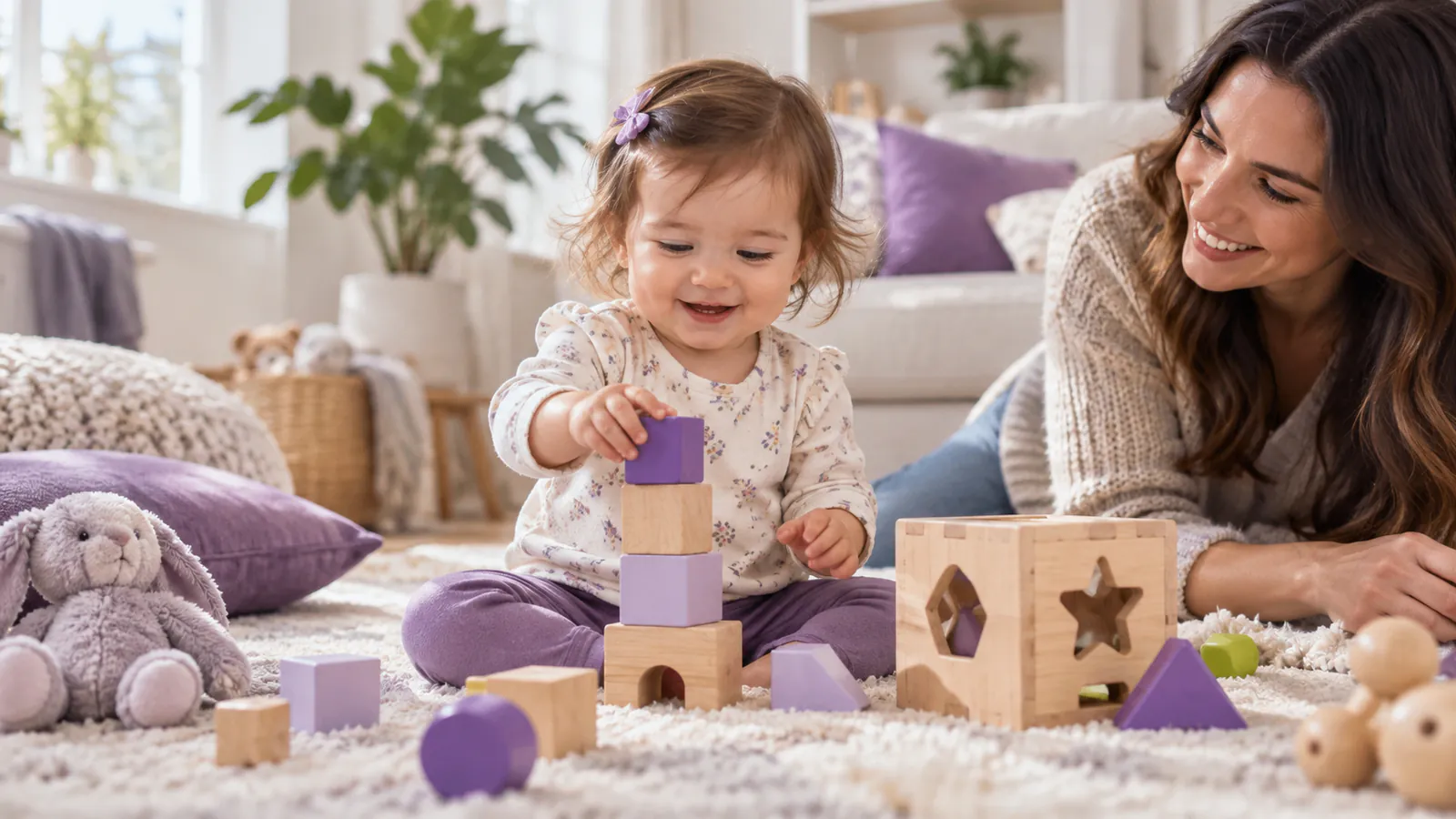
Every child grows at their own pace
Development from 1 to 3 Years
Learn what to expect as your child grows from 1 to 3 years, with everyday ways to support movement, communication, play, and emotional growth—without pressure or checklists.

Neşe Arslan
Child Development Expert
Expert review: 28/09/2026
General Information: General information only; it may vary from child to child. Talk to your doctor or a specialist before making decisions.
In short
- Development in the 1-3 year window is uneven and deeply personal—focus on daily moments, not rigid milestones.
- Responsive conversation, shared books, and floor play build language and thinking skills naturally.
- Predictable routines and safe exploration help toddlers gain confidence in movement and self-care.
- Loss of skills, limited response to sound, or major movement asymmetry warrants timely local assessment.
Lumiya Editorial TeamBased on 4 sourcesOur editorial standards
Our tool for this topic
What to expect as your child grows from 1 to 3 years
Between ages one and three, children change in ways that can feel both exciting and unpredictable. One week, your toddler might cling to you in new places; the next, they’re climbing furniture like a tiny explorer.

Development unfolds in the context of relationships, routines, and the world around your child. What matters most is how you respond in everyday moments—not whether they hit a certain age ‘on time.’
This guide focuses on broad areas of growth—movement, communication, play, thinking, relationships, self-care, and emotional regulation—without rigid timelines or pressure. It’s designed to help you notice progress, offer support, and know when to seek guidance.
Movement: From wobbly steps to confident steps
Toddlers build strength and coordination through safe exploration. At first, walking may look wobbly, with arms held high for balance. Over time, they gain confidence, running short distances, kicking balls, and even attempting stairs with help. Climbing becomes a favorite activity, whether on low cushions or playground structures.
Support their progress by creating a safe environment. Clear pathways for walking, offer sturdy furniture to pull up on, and let them climb low surfaces under close supervision. Avoid baby walkers or forcing upright positions; these can interfere with natural balance development.
Remember, progress can be uneven. One child might run before they can jump; another might jump before they run. Both are normal. If you notice major asymmetry—like favoring one side or dragging a limb—mention it at your child’s next check-up.
Communication: More than just words
Between 1 and 3 years, language grows from single words to short phrases and simple sentences. But communication isn’t just about talking. Gestures, sounds, facial expressions, and even pointing all count. Some toddlers mix words with sounds or signs before speaking clearly.

Responsive conversation is the most powerful tool for language growth. When your toddler points at a banana, say ‘Banana! You want the banana!’ instead of just handing it over. This back-and-forth builds vocabulary and social connection.
Shared books are another low-cost way to support language. Choose sturdy board books with bright pictures and simple words. Pause to let your toddler “fill in” sounds or words, even if it’s just a grunt or a giggle.
If your child isn’t using words by 24 months, or if they’re losing words they once used, bring this up at your next visit. Early support can make a big difference.
Play: The work of childhood
Play is how toddlers learn about the world. At first, play is mostly sensory—touching, mouthing, and banging objects. By age two, pretend play emerges: feeding a doll, pushing a toy car, or pretending a block is a phone. These activities build thinking skills, creativity, and social understanding.
Offer open-ended toys like blocks, stacking cups, and simple puzzles. Avoid toys that do the work for them—like electronic gadgets with flashing lights and sounds. Instead, let your toddler lead the play. If they stack two blocks and knock them down, celebrate that as progress.
Floor time is essential. Get down on the floor with your toddler, following their lead. Narrate what they’re doing: ‘You’re rolling the ball! Now it’s my turn.’ This builds language and strengthens your bond.
Thinking and problem-solving: Small steps, big discoveries
Toddlers are natural scientists. They experiment with cause and effect—dropping a spoon to see what happens, fitting shapes into a sorter, or trying to stack rings in order. These activities build early math and logic skills.
Support their thinking by offering simple challenges. Hide a toy under one of two cups and ask, ‘Where is it?’ Let them try to put on their shoes, even if it’s backwards. Praise effort, not perfection: ‘You worked so hard on that tower!’
Routines also build thinking skills. Predictable mealtimes, bedtimes, and outings help toddlers anticipate what comes next. Use visual schedules with pictures if your child responds well to them. This reduces anxiety and gives them a sense of control.
Relationships and emotional regulation: Learning to cope
Toddlers are still learning to manage big emotions. Frustration, excitement, and fear can all lead to tantrums. These aren’t signs of “bad behavior”—they’re signs of an immature emotional system. Your job isn’t to stop the tantrums but to help your child learn to calm down over time.
Emotional regulation starts with your calm presence. When your toddler is upset, get down to their level, speak softly, and offer a hug or a favorite comfort item.
Simple choices can also reduce power struggles. Instead of saying ‘Put on your shoes,’ try ‘Do you want the red shoes or the blue shoes?’ Offering limited options gives your toddler a sense of control while keeping routines on track.
Self-care skills—like washing hands, using a spoon, or pulling up pants—take time to master. Break tasks into small steps and celebrate progress. If your child resists, stay patient. They’re learning independence, not just a skill.
When to seek guidance
Development isn’t a race, but it’s important to act when something feels off. Trust your instincts as a caregiver. If your child loses skills they once used, shows persistent feeding or swallowing difficulty, or has limited response to sound or social contact, mention it at your next visit.
Loss of previously used skills, persistent feeding difficulty, limited response to sound or social contact, major movement asymmetry, repeated injury, safeguarding concern, or caregiver concern warrants timely local developmental or health assessment.
Routine child-health visits are a great time to share observations. Bring examples of what your child does at home, not just what they do in a clinic.
Everyday support that makes a difference
You don’t need special products or expensive classes to support your toddler’s development. Focus on responsive, loving interactions in daily routines. Talk to your child throughout the day, even if they don’t respond. Sing songs during diaper changes.
| Context | What the child attempted | Support offered | Change over time |
|---|---|---|---|
| Mealtime | Used spoon to scoop food | Handed child a child-sized spoon, praised effort | After two weeks, child used spoon more confidently |
| Park visit | Climbed onto low bench | Stayed nearby, offered encouragement | Child climbed independently within a month |
| Bedtime | Protested when left alone | Used a soft nightlight, sang a short song | Protests decreased over several weeks |
| Grocery store | Pointed at cereal box | Said ‘You want cereal! Let’s find it.’ | Child pointed at other items too |
This table is just an example. Keep your own observations to share with your child’s healthcare provider. Notice what works in your home and what doesn’t—then adjust. There’s no perfect way to parent a toddler, only the way that works for your family.
Development from 1 to 3 years is a journey of discovery—for your child and for you. It’s messy, unpredictable, and full of love. Focus on connection, not perfection.
Health Information: The content and guidance in this article are prepared solely to inform parents, based on current medical literature and scientific research. The information provided here does not, in any way, replace direct medical diagnosis, treatment, or professional medical advice. If you have any concerns or doubts about your baby's health or development, please consult a pediatrician or your healthcare provider without delay.
Was this article helpful?
This topic at other agesGrowth & Development
Tools for this Age
- Baby milestones by monthCheck off what most children your child's age can do, and talk about the rest with your doctor.
- Baby percentile calculatorWhere does your child's weight and height sit among children the same age? See it in seconds on the WHO growth curves.
- Baby and child sleep scheduleHow much should your child sleep in 24 hours, and when should bedtime be? Calculate it from official guidance and compare it with your own log.
- Potty training chartWhen to start and how to prepare? A roadmap by age, a daily routine and a printable reward chart.
- Baby vaccine schedulePick your country, enter the birth date, and see the official schedule as your own dates.
- Baby teething chart: order and timelineEnter the date of birth to see the typical eruption window of all 20 baby teeth, the next tooth and the teeth already through — on one screen.
Checklist
Popular Topics
Frequently Asked Questions
- 1
- 2
- 3
- 4
Expert Note
If your child loses skills they once used, shows persistent feeding difficulty, has limited response to sound or social contact, or you notice major movement asymmetry, speak with your child’s healthcare provider. If your child is not breathing, unresponsive, or in immediate danger, call emergency services right away.
Neşe Arslan
Child Development Expert
Other situations in this topic
Dealing with a different side of the same topic? Each situation has its own guide.
- Developmental screening: when and whyFrom babyhood to preschool (ages 0–6), learn the difference between everyday monitoring, screening and assessment, and record useful observations without turning childhood into a test.1 items
- How to support your child's development every dayUnderstand child development as a variable, interconnected process shaped by context, opportunity, and individual differences. Learn how to observe, support, and nurture growth through everyday routines without rigid timelines or comparisons.1 items