 lumiya.com.tr
Every child grows at their own pace
Child Development at 6–9: What Changes, What to Watch
Learn what to expect as your child grows between ages 6 and 9, with practical ways to support their unique development across movement, learning, emotions, and friendships.

Neşe Arslan
Child Development Expert
Expert review: 28/09/2026
General Information: General information only; it may vary from child to child. Talk to your doctor or a specialist before making decisions.
In short
- Development between ages 6 and 9 is uneven and highly individual—focus on observing progress over time rather than comparing to peers.
- Support skills through everyday routines, play, and open conversations about effort and comfort.
- Record concerns without jumping to conclusions; share observations with teachers and health professionals when needed.
- Trust your instincts—if you notice regression, distress, or safety concerns, seek guidance promptly.
Lumiya Editorial TeamBased on 4 sourcesOur editorial standards
What to Watch for in Movement and Coordination
Between ages 6 and 9, children’s bodies and motor skills continue to mature, but progress isn’t uniform. Some kids may excel at running or climbing while still struggling with handwriting or tying shoelaces. Others might reverse their earlier clumsiness as their coordination catches up. These differences are common and do not necessarily signal a problem.

A child who trips frequently or avoids physical games may simply need more practice, while another who suddenly seems less coordinated after a growth spurt could be adjusting to a taller frame.
Support their development by offering varied movement opportunities—biking, dancing, swimming, or playground play—without pressure. Notice what feels easy or hard for them. If clumsiness persists across many activities or causes pain or frustration, mention it to your pediatrician. Otherwise, focus on fun and repetition rather than rushing milestones.
Communication and Language: Listening, Speaking, and Learning
Children in this age group expand their vocabulary, sentence structure, and storytelling skills. They may enjoy explaining their ideas, asking questions, and even debating simple topics. Some will speak confidently in front of others, while others remain quieter but show strong understanding in one-on-one conversations.

A child who struggles to follow multi-step directions or mixes up words in conversation may benefit from extra practice through games like rhyming, storytelling, or word puzzles.
Encourage language growth by reading together daily, discussing what you read, and letting them tell you about their day. If you notice persistent difficulty understanding or being understood—especially if it affects friendships or schoolwork—share your observations with their teacher or healthcare provider. Remember that bilingual children may mix languages early on; this is normal and often resolves with time.
Learning and Executive Skills: Focus, Memory, and Planning
Executive skills like focus, memory, and planning develop gradually during these years. A child may remember the rules of a favorite game one day and forget them the next. They might start projects with enthusiasm but struggle to finish them. These ups and downs are typical as their brain’s control centers mature.
A child who can’t sit still during homework time may simply need shorter sessions or a movement break, while another who forgets assignments regularly might benefit from a shared planner or checklist.
Support learning by breaking tasks into smaller steps and using visual aids like charts or sticky notes. Help them practice setting small goals—like finishing one page of a drawing—and celebrate their effort. If you notice consistent difficulty with memory, organization, or following instructions across home and school, discuss it with their teacher and pediatrician.
| Skill Area | What You Might See | How to Support |
|---|---|---|
| Reading | Enjoys being read to; may read simple books independently | Read together daily; ask open-ended questions about the story |
| Writing | Writes short sentences or stories; may reverse letters | Provide lined paper and fun writing tools; model writing notes or lists |
| Math | Counts objects; begins simple addition or subtraction | Use everyday objects (coins, toys) to practice counting and grouping |
| Problem-solving | Tries different ways to solve puzzles or build structures | Offer open-ended materials like blocks or art supplies; ask, "What else could we try?" |
Emotions and Independence: Growing Confidence and Responsibility
As children grow, they seek more independence—choosing clothes, packing a backpack, or helping with chores. They also begin to understand fairness, empathy, and consequences. Some days they may act confident and capable; other days they might need more guidance or comfort. Mood swings and sensitivity to criticism are common.
A child who struggles to calm down after a disappointment may need a quiet space and gentle guidance, while another who seems overly rigid about rules might benefit from discussing flexible thinking.
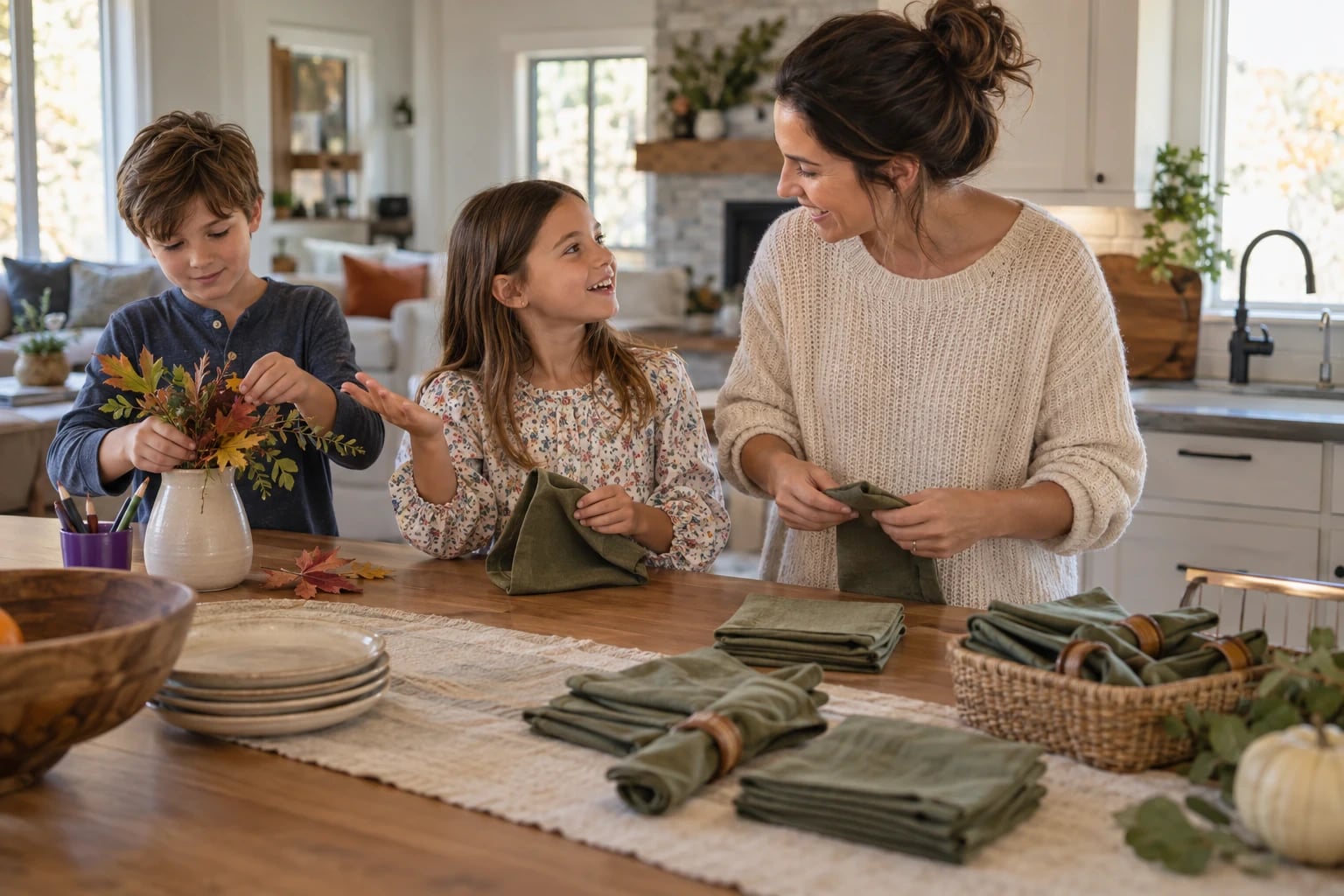
Encourage independence by giving small, manageable choices—like picking between two outfits or helping set the table. Validate their feelings with phrases like, "I see you’re upset. Want to talk about it?" If emotions interfere with friendships, school, or family life, or if you notice sudden changes in behavior, it’s worth sharing your observations with their teacher or healthcare provider.
Friendships and Participation at School and Home
Friendships become increasingly important during these years. Children learn to share, take turns, and navigate conflicts, though they may still need reminders. Some kids prefer small groups or one-on-one play, while others enjoy larger social settings. Participation at school and home reflects their growing social confidence and ability to follow routines.
A child who avoids group activities may simply need time to warm up, while another who frequently argues with peers might benefit from role-playing social scenarios at home.
Support social growth by arranging playdates, joining clubs, or volunteering in the classroom. Talk with your child about what makes a good friend and how to handle disagreements. If you notice persistent exclusion, bullying, or difficulty making or keeping friends, reach out to their teacher or school counselor for advice.
Keeping Track and Knowing When to Seek Support
Developmental monitoring is about observing your child’s progress over time, not checking boxes against a rigid list. Keep a simple journal or calendar where you note milestones like first sleepovers, independent bike rides, or reading a chapter book. Also jot down challenges—like trouble with handwriting or managing emotions—and how long they last.
If a skill seems to fade after being mastered, or if your child shows marked distress, safety concerns, or difficulty participating across settings, it’s time to talk with a professional.
Share your observations with your child’s teacher, who sees them in a different environment. Ask about their strengths and any areas where they might need extra support. If concerns arise, your pediatrician can help determine next steps, which may include further screening or support services. Trust your instincts—you know your child best.
Everyday Ways to Support Growth Without Pressure
You don’t need special programs or expensive tools to support your child’s development. Everyday routines and play offer rich opportunities for learning. Cooking together builds math and fine motor skills. Grocery shopping teaches planning and decision-making. Board games encourage turn-taking and strategy. Even bedtime stories foster language and emotional connection.
The goal isn’t perfection—it’s progress, effort, and joy in the process.
Celebrate small wins, like finishing a puzzle or trying a new food. Encourage questions and curiosity. When frustrations arise, stay calm and offer support without taking over. If you’re unsure whether a behavior is typical or needs attention, err on the side of asking for guidance. Early conversations with teachers and healthcare providers can provide reassurance or early support when needed.
Health Information: The content and guidance in this article are prepared solely to inform parents, based on current medical literature and scientific research. The information provided here does not, in any way, replace direct medical diagnosis, treatment, or professional medical advice. If you have any concerns or doubts about your baby's health or development, please consult a pediatrician or your healthcare provider without delay.
Was this article helpful?
This topic at other agesGrowth & Development
Tools for this Age
- Baby and child sleep scheduleHow much should your child sleep in 24 hours, and when should bedtime be? Calculate it from official guidance and compare it with your own log.
- Screen time by ageSee how much screen time a day your country's official body recommends at your child's age; add daily use to compare it with the advice.
- What temperature is a fever in children?See whether the temperature you measured counts as a fever according to your country's official health source, when to get help at your child's age and the warning signs.
- Child Height Predictor & Genetic Target Height CalculatorHow tall will your child be as an adult? Enter both parents' heights to calculate the pediatric mid-parental target height and expected adult height range using the Tanner and AAP formulas.
Checklist
Popular Topics
Frequently Asked Questions
- 1
- 2
- 3
- 4
Expert Note
Developmental monitoring is not a test or diagnosis. If you have urgent concerns about your child’s safety, health, or ability to participate in daily life, contact your pediatrician or local emergency support immediately.
Neşe Arslan
Child Development Expert
Other situations in this topic
Dealing with a different side of the same topic? Each situation has its own guide.