 lumiya.com.tr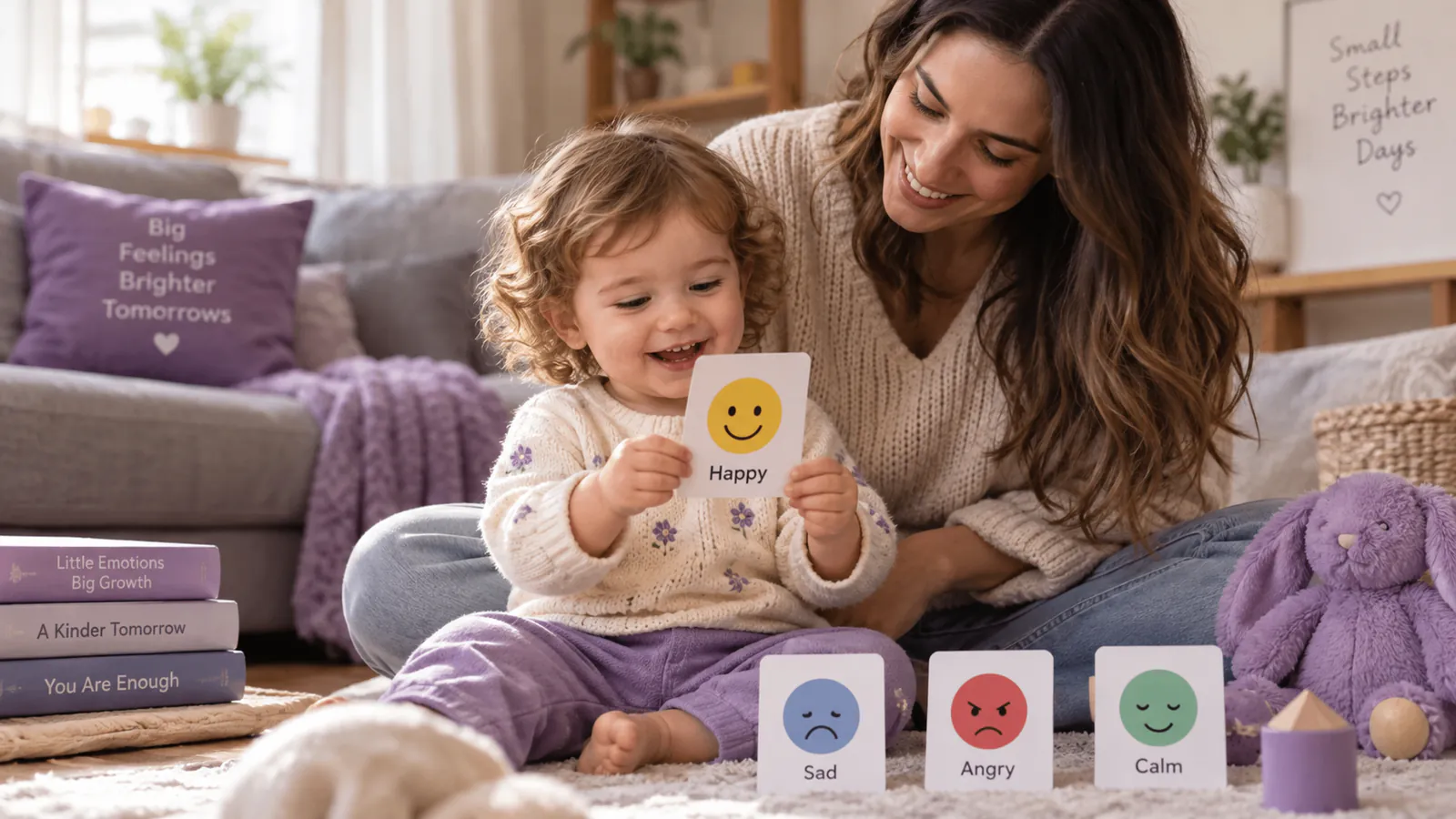
Every child grows at their own pace
Emotional Development from 1 to 3 Years
Learn how to support your toddler’s emotional growth with everyday routines, clear limits, and calm connection. Discover what’s typical, how to respond to big feelings, and when to seek guidance.

Neşe Arslan
Child Development Expert
Expert review: 28/09/2026
General Information: General information only; it may vary from child to child. Talk to your doctor or a specialist before making decisions.
In short
- Emotional growth in ages 1–3 is shaped by warm relationships and predictable care, not rigid schedules or obedience scores.
- Toddlers learn to name feelings and calm down with caregiver support before they can do it alone.
- Everyday routines—like naming emotions, offering choices, and modeling calm—build emotional skills over time.
- Tantrums and rapid mood shifts are common; individual differences, culture, and family stress all play a role.
Lumiya Editorial TeamBased on 4 sourcesOur editorial standards
What Emotional Development Looks Like in Ages 1–3
Between ages 1 and 3, your child’s emotional world expands quickly. They begin to recognize feelings in themselves and others, though they still rely on you to help them name and manage those feelings.
During this stage, you may notice your child becoming more independent while also needing you nearby for reassurance. They might cling when you leave or show frustration when things don’t go their way.

Emotional development in toddlers grows from the safety of close relationships, not from pressure to perform or behave perfectly.
Everyday moments—like bedtime, mealtime, or play—are opportunities to build emotional skills. When you name feelings (‘You’re sad because your friend left’) or model patience after a spill, you’re teaching your child how to understand and handle emotions.
Recognizing and Naming Feelings Together
Toddlers learn to identify emotions by hearing them named out loud. Instead of saying ‘Stop crying,’ try ‘You’re feeling upset because the toy broke.’ This approach helps your child connect words to their feelings.
A simple routine can make this easier. After a tantrum or frustration, pause and say, ‘That was hard. You were really mad.’ This reassures your child that their feelings matter and that you’re there to help.
Using Play and Books to Build Emotional Vocabulary
Play is one of the best ways to explore emotions with your toddler. Puppets, stuffed animals, or dolls can act out feelings like happiness, anger, or sadness. You might say, ‘Bear is feeling frustrated because the puzzle piece won’t fit.
Books are another helpful tool. Choose stories that show characters experiencing big feelings and coping in simple ways. After reading, ask, ‘How do you think the character felt?’ This invites your child to reflect without pressure.
Setting Limits with Warmth and Consistency
Toddlers test boundaries as they learn what’s safe and acceptable. Instead of long explanations, keep limits short and clear. For example, ‘We sit in the stroller’ or ‘Gentle hands, please.’ If they struggle, stay calm and repeat the limit.
Offering choices can also reduce power struggles. Instead of ‘Put on your shoes now,’ try ‘Do you want the red shoes or the blue ones?’ Two simple options give.
Handling Transitions and Recovery After Distress
Transitions—like leaving the park or stopping playtime—often trigger tantrums. Prepare your child ahead of time: ‘Five more minutes, then we go home.’ A visual timer can help them see the time passing.
After a meltdown, reconnect before correcting behavior. A hug, a silly face, or a quiet moment together helps your child feel safe again. Once they’re calm, you can gently discuss what happened or move on to the next activity.
Supporting Autonomy While Keeping Safety in View
Between ages 1 and 3, toddlers crave independence. They want to do things themselves—pour cereal, choose clothes, or ‘help’ with chores. While this can be messy or slow, it’s an important part of emotional growth.
At the same time, safety limits remain essential. If your child wants to climb on the kitchen table, redirect them gently: ‘Tables are for eating. Let’s climb on the couch instead.’ This keeps them safe while respecting their need for exploration.
Recognizing Early Signs of Overload
Toddlers can become overwhelmed by too much noise, activity, or change. Watch for cues like rubbing eyes, turning away, or fussiness. When you notice these signs, offer a quiet break or a favorite comfort item.
Sensory needs also play a role. Some toddlers are sensitive to textures, sounds, or lights. If your child resists certain clothes, foods, or environments, they may need extra patience and gradual exposure. Avoid forcing them into overwhelming situations.
When to Seek Guidance for Emotional Development
Most toddlers have tantrums, clinginess, or mood swings at times. These are typical parts of development. However, some signs warrant extra attention.
Trust your instincts. You know your child best. If something feels off or you’re concerned about their daily participation, reach out for guidance. Early support can make a big difference.
Simple Routines That Build Emotional Skills
| Routine | What to Do | Why It Helps |
|---|---|---|
| Morning check-in | Greet your child with a hug and name their feeling: ‘You’re happy to see me!’ | Builds emotional connection and security. |
| Mealtime feelings | Talk about the day: ‘What made you smile today?’ or ‘Was anything hard?’ | Encourages emotional expression in a low-pressure way. |
| Bedtime wind-down | Read a book, sing a song, or share a quiet moment. Say, ‘I love spending time with you.’ | Helps your child feel safe and loved before sleep. |
| Outing prep | Warn ahead: ‘We’re leaving in 10 minutes.’ Use a timer if needed. | Reduces surprise and frustration during transitions. |
| Calm-down corner | Create a cozy space with books or soft items. Say, ‘When you’re upset, you can come here.’ | Gives your child a tool to manage big feelings. |
Culture, Language, and Family Stress Matter
Emotional development doesn’t happen in a vacuum. Culture shapes how feelings are expressed and valued. In some families, loud outbursts are common; in others, quiet sadness is the norm. Both are valid.
Multilingual homes add another layer. Your toddler may mix languages when talking about feelings, or they might express emotions differently in each language. Respond warmly, regardless of the language used.
Supporting Your Child Through Family Changes
Big changes—like a new sibling, moving, or a parent’s job loss—can affect your toddler’s emotions. They may act clingy, regress in skills, or show frustration. Extra patience and reassurance help them adjust.
Red Flags and When to Ask for Help
Most toddler emotions are temporary and manageable. But some signs suggest it’s time to reach out for professional guidance. These include:
- Losing skills they once had (e.g., no longer saying words they used to).
- Showing little or no response to familiar caregivers.
- Experiencing severe or prolonged distress that doesn’t improve with comfort.
If you notice any of these, contact your child’s doctor or local early intervention program. Early support can address concerns before they become bigger challenges. Trust your instincts—you’re your child’s best advocate.

If your child is in immediate danger, call emergency services right away. Your safety and theirs come first.
Everyday Care That Builds Emotional Strength
Emotional development thrives in the rhythm of daily life. A predictable bedtime routine, regular meals, and consistent responses to big feelings create a sense of security.
Small moments matter most. A shared laugh, a gentle touch, or a quiet ‘I see you’re upset’ can make a lasting difference. You don’t need perfect responses—just consistent warmth and patience.
Final Thoughts
Ages 1–3 are a time of rapid emotional growth, shaped by your love and guidance. Tantrums, clinginess, and mood swings are normal, but they don’t define your child’s future.
Remember, you’re not alone. If something feels overwhelming or you’re unsure, reach out to your pediatrician or local resources. Early support is always available—and it makes a difference.
Health Information: The content and guidance in this article are prepared solely to inform parents, based on current medical literature and scientific research. The information provided here does not, in any way, replace direct medical diagnosis, treatment, or professional medical advice. If you have any concerns or doubts about your baby's health or development, please consult a pediatrician or your healthcare provider without delay.
Was this article helpful?
This topic at other agesGrowth & Development
Tools for this Age
- Baby percentile calculatorWhere does your child's weight and height sit among children the same age? See it in seconds on the WHO growth curves.
- Baby and child sleep scheduleHow much should your child sleep in 24 hours, and when should bedtime be? Calculate it from official guidance and compare it with your own log.
- Potty training chartWhen to start and how to prepare? A roadmap by age, a daily routine and a printable reward chart.
- Baby milestones by monthCheck off what most children your child's age can do, and talk about the rest with your doctor.
- Baby vaccine schedulePick your country, enter the birth date, and see the official schedule as your own dates.
- Baby teething chart: order and timelineEnter the date of birth to see the typical eruption window of all 20 baby teeth, the next tooth and the teeth already through — on one screen.
Checklist
Popular Topics
Frequently Asked Questions
- 1
- 2
- 3
- 4
Expert Note
If you notice your child losing skills they once had, showing no response to familiar caregivers, or experiencing severe or prolonged distress, self-injury, or danger, contact your local health care provider or early intervention program. If your child is in immediate danger, call emergency services.
Neşe Arslan
Child Development Expert