 lumiya.com.tr
Every child grows at their own pace
Emotional Development in 9–12 Year Olds
Children aged 9–12 often become more private, compare themselves with peers, and experience complex emotions. Learn how to support their emotional growth with calm boundaries, respectful listening, and problem-solving that honors their growing independence.
General Information: General information only; it may vary from child to child. Talk to your doctor or a specialist before making decisions.
In short
- Children aged 9–12 often become more private and start comparing themselves with peers, which is a normal part of emotional growth.
- They may experience mixed emotions and need adult support to co-regulate during stress while developing greater independence.
- Friendship dynamics shift, sibling conflicts change, and online experiences introduce new social pressures that require guidance.
- Parents can support emotional development by modeling repair, preserving privacy, and coordinating respectfully with schools.
Lumiya Editorial TeamBased on 4 sourcesOur editorial standards
What to expect in emotional development for kids aged 9–12
Between ages 9 and 12, many children start to keep thoughts and feelings more to themselves. They may not share as much about school, friendships, or struggles, even with people they trust.
At the same time, they become more aware of how they compare to peers. They notice differences in abilities, appearance, or social standing, which can lead to mixed feelings—pride in some areas, frustration in others.

Children this age are still developing the ability to read social cues with growing nuance. They might misinterpret a friend’s tone or overreact to a minor comment because they’re still learning how to navigate unspoken rules.
Sleep patterns often shift during this period, too. Many kids start staying up later, either because of increased homework, screen time, or a natural shift in their body clock.
Friendships, siblings, and social pressures
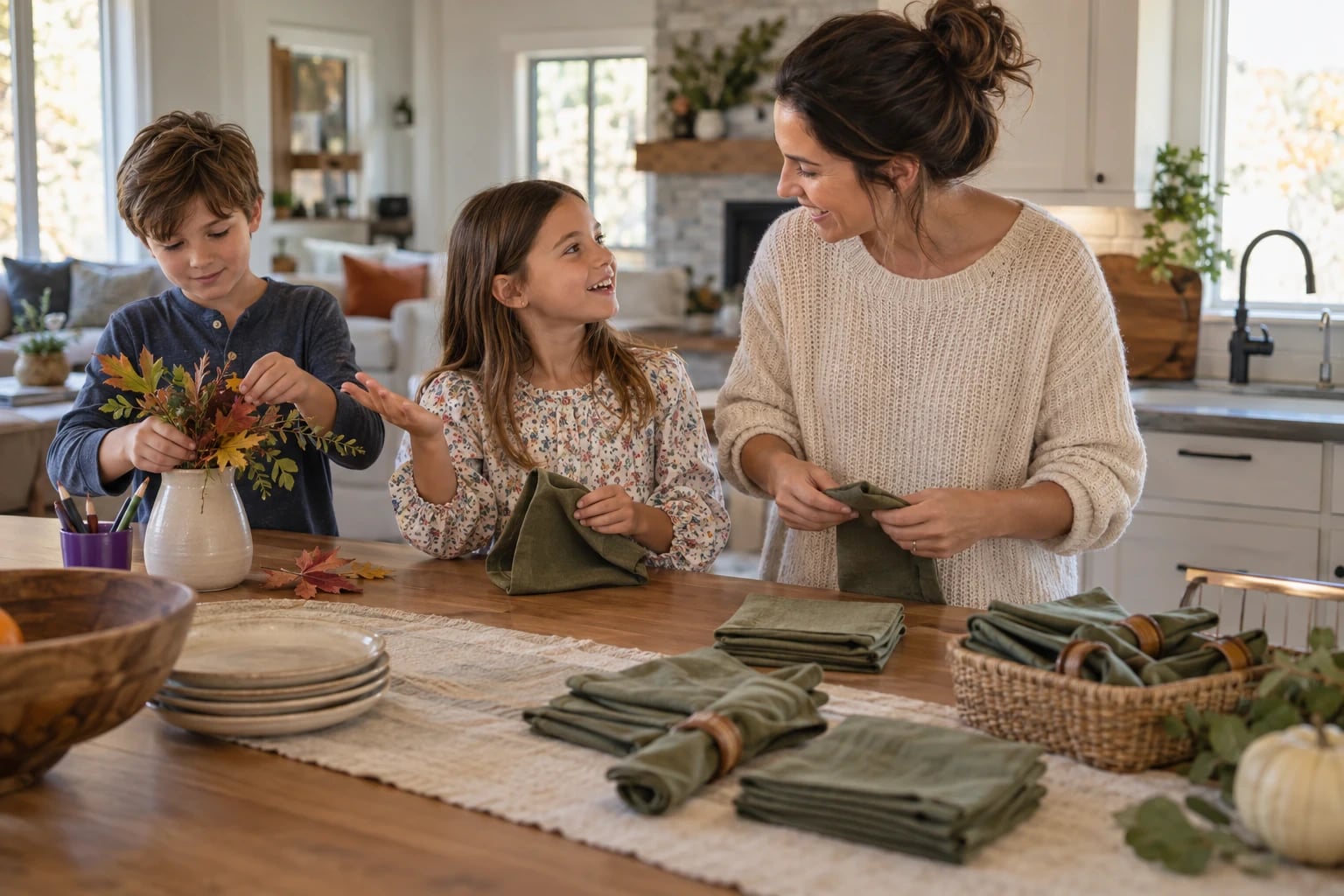
Friendships take on new meaning for kids aged 9–12. They may prioritize a small group of close friends or feel pressure to fit in with larger social circles. Conflicts can arise over exclusion, perceived slights, or disagreements about group rules.
Sibling relationships often change during this stage as well. Older siblings may take on more responsibility, while younger ones test boundaries. Rivalry isn’t uncommon, but it doesn’t have to define the relationship.
Online experiences add another layer of social pressure. Kids may compare their lives to curated posts, worry about likes or comments, or feel left out of group chats.
How to listen without making it feel like an interrogation
Kids in this age group often shut down when they feel grilled. Instead of asking rapid-fire questions, try sharing a quiet moment first.
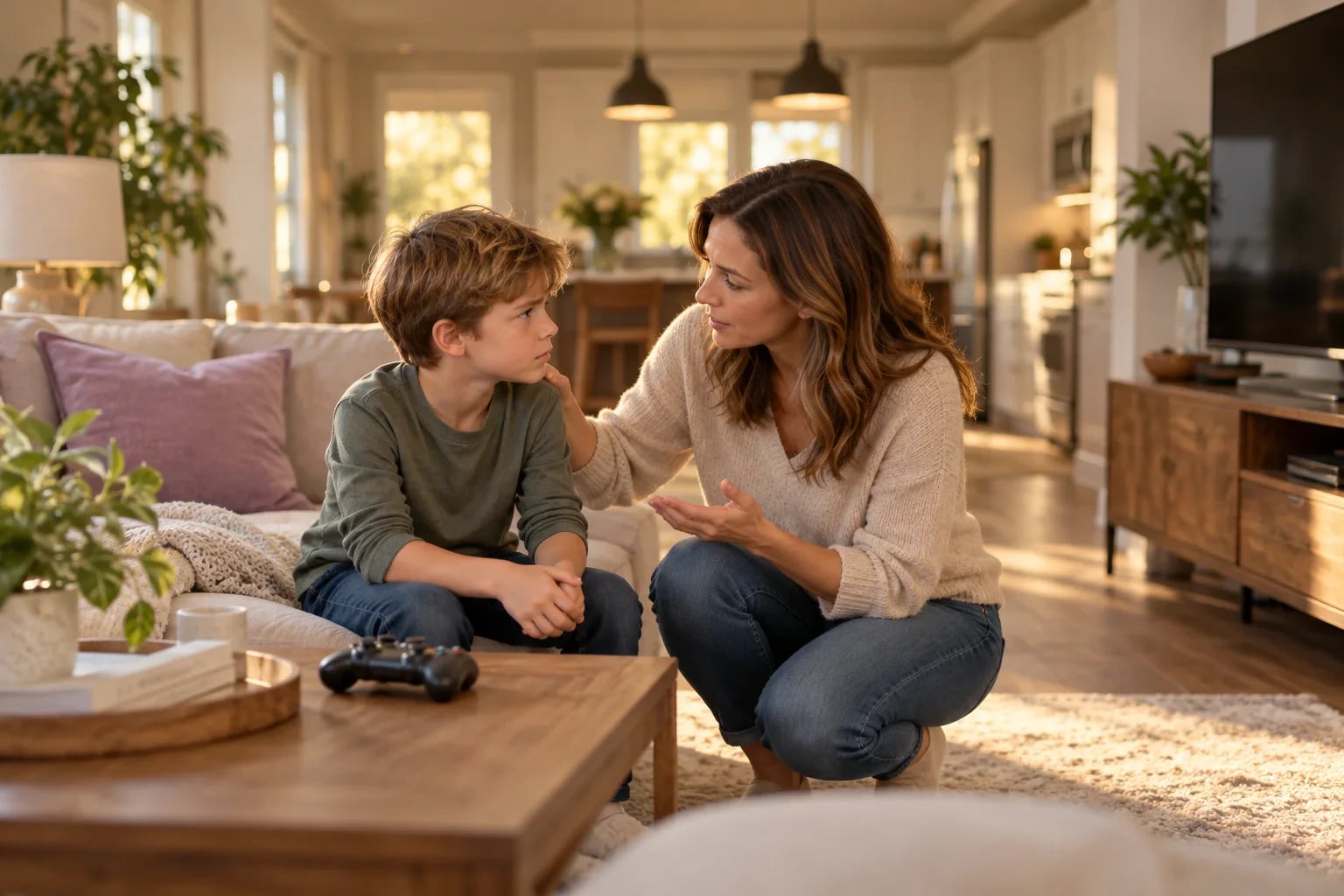
When they do open up, focus on listening rather than fixing. Say things like, “That sounds really hard,” or “I can see why you’d feel that way.” Naming emotions helps children feel understood, which can reduce the intensity of their feelings.

Validating emotions doesn’t mean approving harmful behavior. You can say, “I get why you’re upset, but we still need to follow the rules,” to set boundaries while acknowledging their feelings.
If your child seems reluctant to talk, try writing instead. Some kids feel more comfortable expressing themselves through notes, texts, or drawings. Respect their preferred method of communication, even if it’s not what you expected.
Setting calm boundaries and inviting problem-solving
Boundaries aren’t about control—they’re about safety and predictability. When emotions run high, stay calm and clear. For example, if your child is upset about a friend’s comment, you might say, “I hear how upset you are.
After they’ve calmed down, invite problem-solving. Ask open-ended questions like, “What do you think would help?” or “How could we handle this differently next time?” This approach encourages independence while showing that you’re there to support them.
Avoid forcing apologies during escalation. Instead, model repair later when everyone is calm. Say something like, “I noticed you were really upset earlier. I want to make sure we’re okay.” This teaches accountability without adding shame.
Preserving privacy while staying connected
Respecting privacy doesn’t mean giving up on connection. Kids aged 9–12 still need to feel seen, even if they’re not ready to share everything. Small gestures—like leaving a note on their pillow or packing their favorite snack—can show care without pressure.
If you’re concerned about their online activity, avoid secret surveillance. Instead, build trust by talking openly about digital safety. Set clear expectations together, like keeping devices out of bedrooms at night or taking breaks from screens during meals.
When conflicts arise, focus on understanding rather than punishment. Ask, “What do you need right now?” to help them identify their feelings. This approach builds resilience while maintaining a safe space for them to grow.
School expectations and working with teachers
School can be a major source of stress or pride for kids this age. They may feel pressure to perform well, fit in with classmates, or navigate complex social dynamics.
Ask specific questions like, “Can you tell me more about what you’ve noticed?” or “How can we support them at home?” Work together to create a plan that addresses the issue without blaming your child.
If your child’s struggles at school are affecting their daily life—like refusing to go, having frequent meltdowns, or showing signs of anxiety—it may be time to seek additional support from a counselor or pediatrician.
Body changes and growing autonomy
Puberty often begins during this period, bringing physical and emotional changes. Kids may feel self-conscious about their bodies or worry about fitting in. These feelings are normal, but they can be overwhelming.
As they gain more independence, kids this age may push back against rules or routines. Instead of seeing this as defiance, recognize it as a sign of their growing autonomy.
Handling sibling conflict with patience
Sibling rivalry can feel exhausting, especially when conflicts spill into daily life. Instead of taking sides, try to understand the root of the issue. Are they competing for attention? Feeling left out?
Small moments of cooperation—like playing a game together or working on a project—can help siblings build stronger bonds. Celebrate these positive interactions to encourage more of them.
Supporting emotional co-regulation during stress
Kids aged 9–12 are still learning how to manage big emotions. When they’re stressed, they may shut down, act out, or struggle to explain what’s wrong. Adults can help by staying calm and modeling self-regulation.
After the immediate stress passes, invite reflection. Ask, “What helped you feel better?” or “What could we try next time?” This builds their emotional toolkit while reinforcing that they’re not alone in their struggles.
When to seek additional support
Most emotional ups and downs during this stage are normal, but some signs warrant extra attention. If your child shows persistent withdrawal, repeated aggression, bullying behavior, or signs of self-harm, it’s important to act.
Trust your instincts as a parent. If something feels off, reach out to your child’s school, pediatrician, or a local mental health provider. Early support can make a big difference.
| Context | Body signal | Response | Support | Recovery |
|---|---|---|---|---|
| After a friend excludes them | Slumped shoulders, quiet voice | Sit quietly together | “That sounds really tough.” | Offer a distraction like a favorite snack or activity |
| During a disagreement with a sibling | Red face, raised voice | Stay calm, set a time-out | “Let’s take a breath before we talk.” | Praise them for calming down |
| After a tough day at school | Avoiding eye contact, short answers | Listen without pushing | “Want to tell me about it?” | Leave the door open for later |
| When overwhelmed by homework | Fidgeting, sighing | Break tasks into smaller steps | “What part feels hardest?” | Celebrate small wins |
| Before a big event (sports, performance) | Stomachache, fidgeting | Normalize the feeling | “It’s okay to feel nervous.” | Practice deep breaths together |
General Information: This content offers general information based on expert sources. Every child, family and situation is different, so what is described here may vary from person to person. Talk to your doctor or a qualified specialist before making decisions about your child.
Was this article helpful?
This topic at other agesGrowth & Development
Tools for this Age
- Baby and child sleep scheduleHow much should your child sleep in 24 hours, and when should bedtime be? Calculate it from official guidance and compare it with your own log.
- Screen time by ageSee how much screen time a day your country's official body recommends at your child's age; add daily use to compare it with the advice.
- Child Height Predictor & Genetic Target Height CalculatorHow tall will your child be as an adult? Enter both parents' heights to calculate the pediatric mid-parental target height and expected adult height range using the Tanner and AAP formulas.
Checklist
Popular Topics
Frequently Asked Questions
- 1
- 2
- 3
- 4
References & Further Reading
Editorial Note
If you notice persistent withdrawal, repeated aggression, bullying, coercion, major loss of school or daily function, self-harm, suicide signals, abuse, severe sleep or eating disruption, or if you feel concerned, reach out to your child’s school, pediatrician, or local mental health services. In an emergency, call 911.
Other situations in this topic
Dealing with a different side of the same topic? Each situation has its own guide.