
 lumiya.com.tr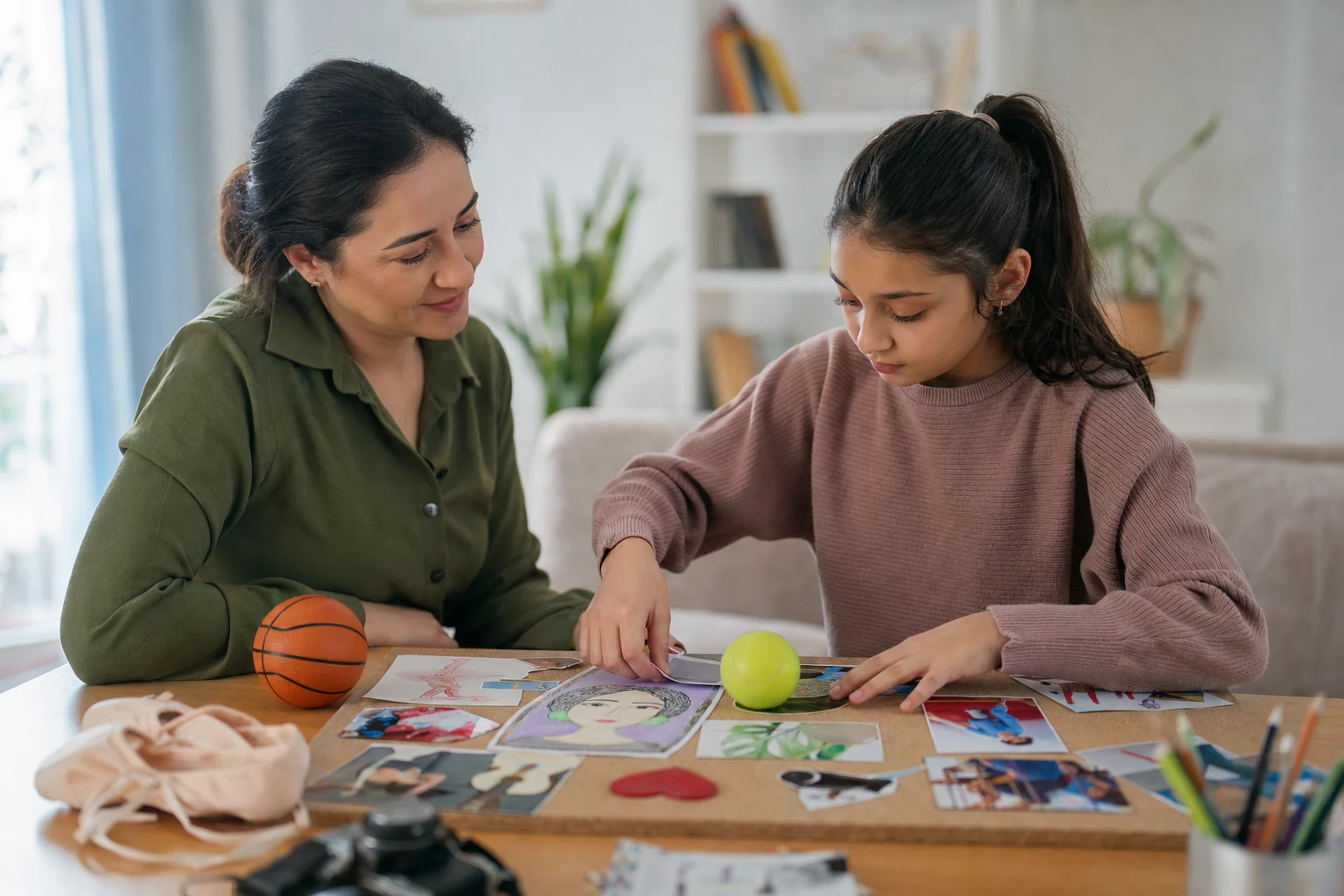
Every child grows at their own pace
Identity Development at Ages 9–12
How to support your child’s evolving sense of self during ages 9–12 without labeling or interrogating them.
General Information: General information only; it may vary from child to child. Talk to your doctor or a specialist before making decisions.
In short
- Identity in ages 9–12 is fluid, not fixed; focus on exploration over labels.
- Balance growing independence with reliable family connection.
- Use curiosity instead of interrogation to understand your child’s evolving interests.
- Offer real choices within safe limits to support self-discovery.
Lumiya Editorial TeamBased on 4 sourcesOur editorial standards
Identity Development in 9–12-Year-Olds: What’s Changing
Between ages 9 and 12, children begin to see themselves as individuals with unique interests, values, and abilities. This isn’t about picking a label or passing a test—it’s about exploring who they are in a world that’s expanding beyond family and school.

Identity isn’t fixed at this age. It’s a process of discovery that includes trying on different hats—sometimes literally—while figuring out what feels right.
During this stage, children often balance two seemingly opposing needs: growing independence and a deep need for family connection. They may push boundaries at home but still crave your approval and presence. This isn’t a contradiction—it’s a natural part of development.
Cultural and linguistic backgrounds also shape identity. A child who speaks multiple languages or comes from a multicultural family may explore different aspects of themselves in different settings. Supporting these connections—whether through language, traditions, or community involvement—helps them build confidence in who they are.
How to Support Exploration Without Pressure
The most effective way to support your child is to ask questions that invite sharing rather than interrogate. Instead of asking, 'Why did you choose that?' try, 'Tell me more about what you like about it.' This approach encourages openness without making them feel judged.
Offering real choices within safe limits gives children a sense of control. For example, let them pick their after-school activity or how to style their hair, as long as it aligns with family values. These small decisions help them build self-trust and understand their preferences.

Children at this age need both freedom to explore and the security of knowing their family is a safe space to return to.
Media and stereotypes can also influence identity. Discuss how characters in shows or games are portrayed and ask your child how those representations compare to their own experiences. This helps them critically engage with what they see while reinforcing their own sense of self.
Navigating Friendships and Social Roles
Friendships take on new importance during ages 9–12. Children may prioritize peer relationships over family time, which can feel challenging for parents. Instead of seeing this as rejection, recognize it as a normal part of growing up.
It’s also common for children to experiment with social roles, whether in school clubs, online communities, or neighborhood groups. These experiences help them understand their place in the world. Support their choices while gently guiding them toward inclusive and kind behavior.
Peer influence is strong, but your child’s core values start at home. Reinforce kindness, empathy, and respect as non-negotiables.
If your child faces bullying or discrimination, address it calmly and firmly. Help them understand that differences are normal and that everyone deserves respect. If the situation escalates, involve school staff or community leaders to ensure a safe environment.
Body Image and Self-Expression
Body image becomes a bigger focus as children approach puberty. They may compare themselves to peers or media ideals, which can affect their confidence. Talk openly about body changes without making assumptions.
Clothing, hairstyles, and hobbies are common ways children express themselves. Allow low-stakes experimentation—like trying a new style or hobby—while setting boundaries around safety and appropriateness. If your child expresses distress about their body, listen without judgment and offer reassurance.
Body exploration is part of identity development. Your role is to listen, support, and normalize the changes they’re experiencing.
For children with disabilities or neurodivergence, identity exploration may look different. They might need extra support to navigate social expectations or find activities that align with their abilities. Celebrate their strengths and advocate for inclusive environments where they feel valued.
When to Seek Additional Support
Most identity exploration in ages 9–12 is healthy and temporary. However, some signs indicate a need for extra support. If your child shows persistent withdrawal, extreme mood swings, or a sharp decline in school performance, it may signal deeper challenges.
Trust your instincts. If something feels off, reach out to a trusted adult, school counselor, or healthcare provider for guidance.
Cultural or family expectations can sometimes clash with a child’s exploration. If you’re unsure how to support their choices, consider speaking with a family therapist or cultural liaison who can offer tailored advice.
Practical Takeaways for Parents
| Strategy | Example | Why It Works |
|---|---|---|
| Ask open-ended questions | 'What do you enjoy about your new hobby?' | Encourages sharing without pressure |
| Offer real choices | Let them pick their weekend activity | Builds confidence and autonomy |
| Discuss media critically | Talk about stereotypes in shows | Helps them form independent opinions |
| Model inclusive behavior | Address bullying or discrimination calmly | Reinforces respect and safety |
Supporting identity development in ages 9–12 is about balance—allowing exploration while providing stability. Avoid labeling your child based on their current interests or behaviors. Instead, focus on creating an environment where they feel safe to grow at their own pace.
Recognizing Cultural and Individual Differences
Every child’s identity journey is unique. Cultural background, family traditions, and personal interests all play a role in shaping who they become.
Neurodiverse children may also explore identity differently. They might need more time to process social cues or find activities that align with their strengths. Support their choices without rushing them, and celebrate their progress at their own pace.
Identity isn’t a race. Every child’s path is valid, and your role is to meet them where they are.
If your family’s cultural or linguistic background differs from the mainstream, reinforce pride in your heritage. Share stories, traditions, and languages that connect your child to their roots. This sense of belonging can be a powerful anchor during times of change.
Building Trust Through Connection
Trust is the foundation of healthy identity development. Spend quality time together—whether through shared meals, walks, or hobbies—to strengthen your bond. Listen actively when they talk, even if their interests seem trivial to you.
Children who feel heard and valued are more likely to share their thoughts and feelings with you.
Avoid dismissing their concerns, even if they seem minor. If they’re upset about a friendship or a comment someone made, take it seriously. Validate their feelings first, then guide them toward problem-solving.
As children grow more independent, they may test limits or push back. Stay calm and consistent with boundaries while giving them room to express themselves. This balance helps them learn responsibility without feeling controlled.
Preparing for the Teen Years
Identity development in ages 9–12 sets the stage for adolescence. The skills they build now—critical thinking, self-advocacy, and resilience—will serve them well as they navigate the challenges of the teen years.
The goal isn’t to have all the answers, but to create a space where your child feels safe to ask questions and explore their identity.
Encourage them to reflect on their experiences through journaling, art, or conversations. These practices help them process their thoughts and build self-awareness. As they get older, they’ll rely more on their own judgment, but your guidance will always be a valuable part of their journey.
General Information: This content offers general information based on expert sources. Every child, family and situation is different, so what is described here may vary from person to person. Talk to your doctor or a qualified specialist before making decisions about your child.
Was this article helpful?
This topic at other agesGrowth & Development
Tools for this Age
- Baby and child sleep scheduleHow much should your child sleep in 24 hours, and when should bedtime be? Calculate it from official guidance and compare it with your own log.
- Screen time by ageSee how much screen time a day your country's official body recommends at your child's age; add daily use to compare it with the advice.
- Child Height Predictor & Genetic Target Height CalculatorHow tall will your child be as an adult? Enter both parents' heights to calculate the pediatric mid-parental target height and expected adult height range using the Tanner and AAP formulas.
Checklist
Popular Topics
Frequently Asked Questions
- 1
- 2
- 3
- 4
References & Further Reading
Editorial Note
Identity exploration in middle childhood is normal and varies widely. If your child shows persistent withdrawal, bullying, discrimination, sharp functional decline, severe body distress, hopelessness, self-harm talk, or immediate safety concerns, seek support from school, health, or safeguarding services. Do not diagnose or prescribe.
Other situations in this topic
Dealing with a different side of the same topic? Each situation has its own guide.