

Emotions & Behavior
Temper Tantrums and Self-Confidence in 3-6 Year Olds
Learn how to support your preschooler’s self-confidence while managing big emotions and tantrums with practical, research-backed strategies.
- 3-6 Years

Everything you want to know, in one place
All articles, guides, videos, and content in one place — from our experts.
Explore, filter, find again
Browse the archive by age, topic and type.
121 items
Learn how to support your preschooler’s self-confidence while managing big emotions and tantrums with practical, research-backed strategies.

A practical guide to building balanced, teen-friendly meals with flexible components, affordable swaps, and food safety tips for families with kids aged 12–18.

Read a young child's big feelings through developing language and self-control rather than a bad-behaviour label; protect safety during the storm and, from 3 to 6, build emotion skills in calm moments.

Separate delayed timing, difficulty falling asleep, night waking and daytime sleepiness with a two-week pattern log, then choose one small family experiment.

When a baby wakes often, naps briefly or resists sleep, map the age-related pattern first and build a practical family response without compromising safe sleep.

Build a screen plan that protects sleep, movement, schoolwork and family connection without turning every transition into a battle.

Treat jealousy as a signal rather than a character flaw; protect one-to-one connection, set a firm safety boundary and stop comparing siblings.

Read nap timing, duration and your toddler's daytime signals together; move toward one nap gradually and keep the whole 24-hour sleep pattern in balance.

When bedtime resistance, night waking or naps suddenly change, map the pattern first and build a steady response without blaming the child.

From babyhood to preschool (ages 0–6), learn the difference between everyday monitoring, screening and assessment, and record useful observations without turning childhood into a test.

Help a child spot fake game rewards, urgent messages, and phishing links, then build a calm family routine for stopping and asking before any click.
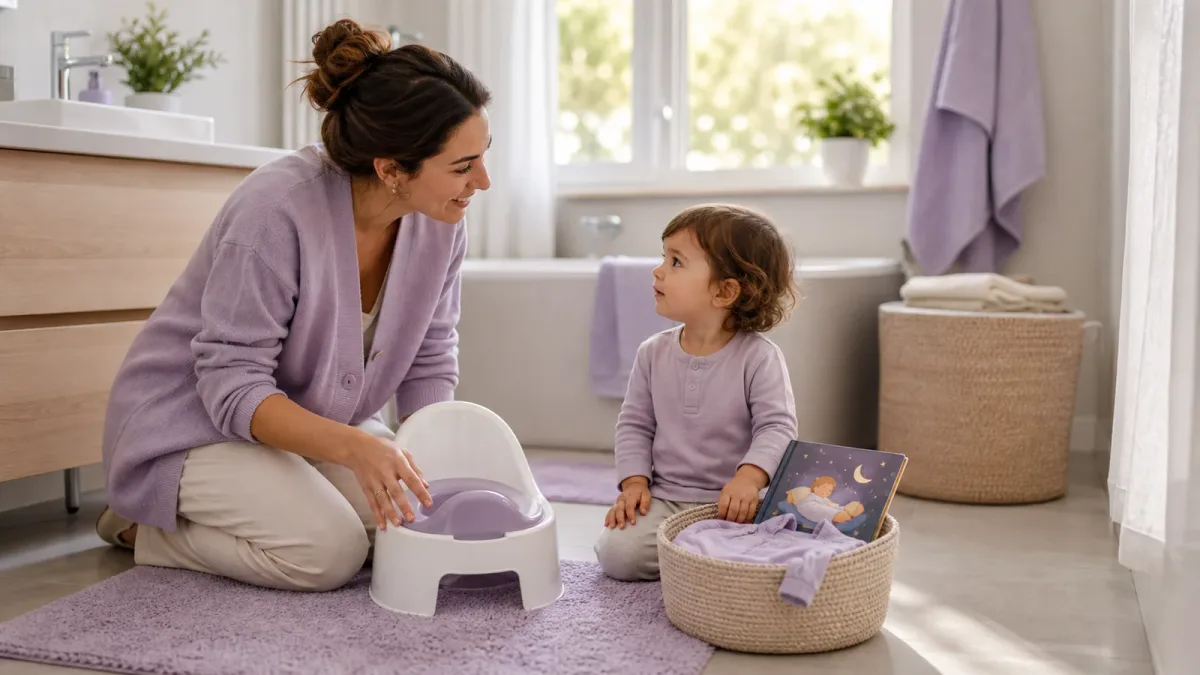
Separate daytime accidents from nighttime wetting, follow readiness rather than a deadline, and build a shame-free routine with clear signs for seeking health advice.
Our experts are here for you
Articles include sources and editorial information. Expert approval is shown only when a verified review exists for that version.
 İlyas ÇAĞLAYANCreative Drama and Basic Acting Instructor
 Kübra PAKSpeech and Language Therapist
 Neşe ARSLANChild Development
 Sevil GÖRENEducation Manager
We would like to collect anonymous usage data to improve the site. If you decline, only essential features will run. There is no individual tracking in the children's area.