
 lumiya.com.tr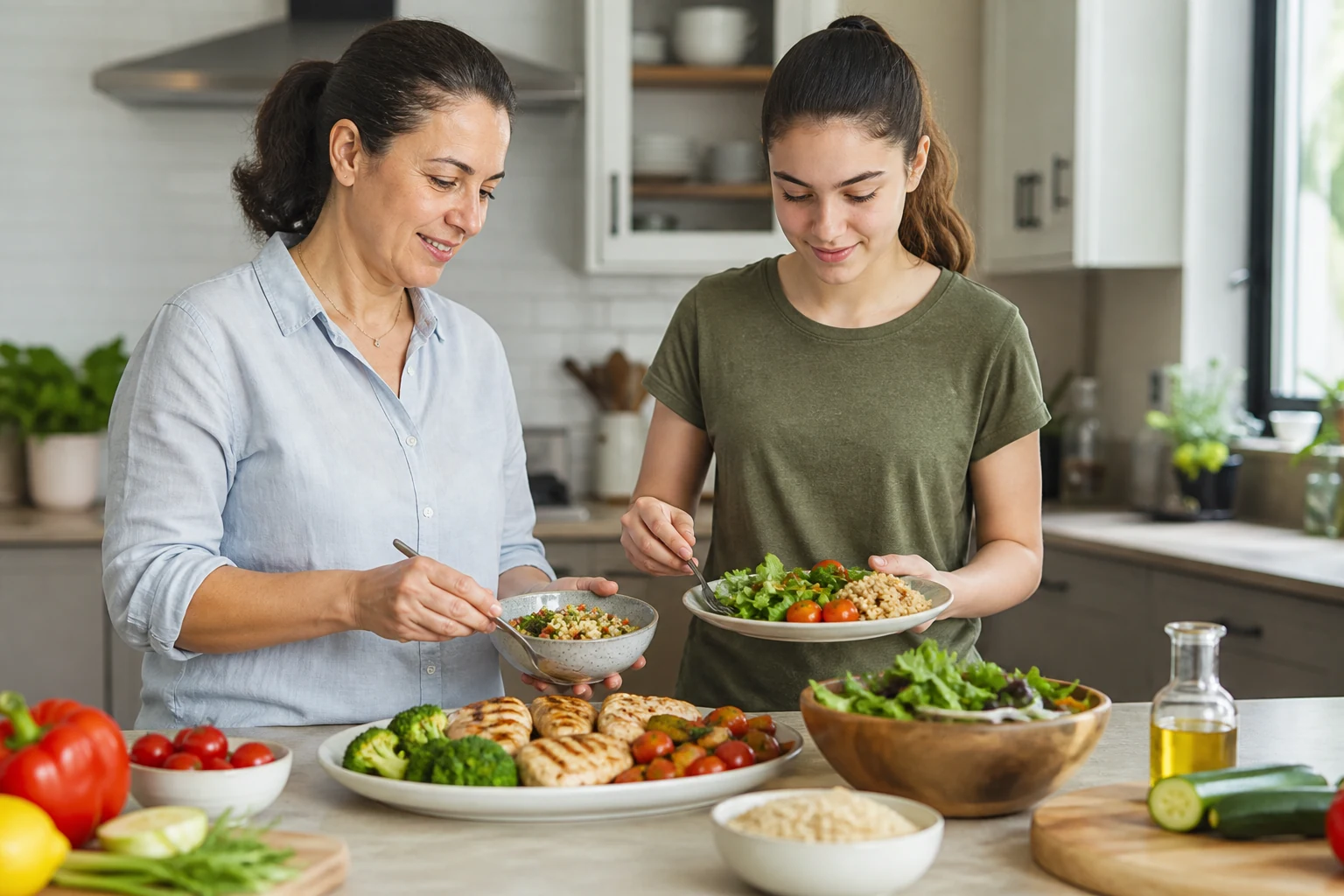
Balanced plates, happy tables
Healthy Family Meals for Teens
A practical guide to building balanced, teen-friendly meals with flexible components, affordable swaps, and food safety tips for families with kids aged 12–18.
General Information: General information only; it may vary from child to child. Talk to your doctor or a specialist before making decisions.
In short
- Focus on flexible meal components teens can assemble themselves
- Use affordable ingredient swaps without sacrificing nutrition
- Prioritize food safety with simple kitchen practices
- Encourage teen autonomy while keeping meals balanced
Lumiya Editorial TeamBased on 4 sourcesOur editorial standards
Building meals for teens doesn’t have to be complicated. Between school demands, activities, and growth spurts, families need flexible solutions that work with busy schedules while keeping nutrition balanced. This guide focuses on practical strategies—like component-based meals and teen-friendly swaps—so you can spend less time stressing over recipes and more time enjoying family time.
Build meals around flexible components
Teen appetites can shift daily, so rigid meal plans often backfire. Instead, design meals with interchangeable parts that let everyone customize their plate. Think of a taco night where the shells, proteins, and toppings stay the same, but each person builds their own combination. This approach reduces waste, accommodates picky eaters, and gives teens a sense of control over their meals.
Protein: The customizable base
Proteins don’t have to mean chicken breasts or ground beef every night. Rotate options like:
- Canned beans (black, pinto, chickpeas) for quick fiber-rich additions
- Frozen shrimp or pre-cooked chicken strips for faster cooking
- Tofu or tempeh for plant-based meals
- Eggs for a budget-friendly protein that’s easy to prepare

Teens often prefer familiar flavors, so keep proteins simple and pair them with sauces or seasonings they like.
Veggies: Fresh, frozen, or canned
Fresh vegetables are ideal, but frozen and canned options can be just as nutritious—and often more affordable. Try:
- Frozen stir-fry mixes for quick sides
- Canned tomatoes for sauces or soups
- Baby carrots or snap peas for easy snacking
- Roasted frozen veggies tossed with olive oil and salt
Encourage teens to pick one or two veggies to include with dinner, even if it’s just a side salad or steamed broccoli.
Carbs: Whole grains and quick swaps
Whole grains provide lasting energy, but they don’t have to be boring. Offer choices like:
- Brown rice or quinoa for heartier sides
- Whole-wheat pasta or wraps
- Sweet potatoes baked or microwaved for speed
- Whole-grain bread or crackers for sandwiches
Sauces and seasonings: Flavor boosters
A little sauce can make a meal feel special. Keep these on hand:
- Olive oil and vinegar for simple dressings
- Low-sodium soy sauce or teriyaki for Asian-inspired dishes
- Pesto or salsa for quick flavor
- Spices like garlic powder, paprika, or Italian seasoning
Putting it together: Component meal ideas
| Meal Type | Base | Protein | Veggie | Carb | Sauce/Seasoning |
|---|---|---|---|---|---|
| Taco bowl | Rice or lettuce | Ground turkey, beans, or tofu | Bell peppers, corn, avocado | Tortilla chips or tortillas | Salsa, cheese, lime |
| Pasta bar | Whole-wheat pasta | Grilled chicken, shrimp, or lentils | Spinach, cherry tomatoes | Pasta | Olive oil, garlic, Parmesan |
| Stir-fry | Rice or noodles | Chicken strips, tofu, or shrimp | Frozen stir-fry mix | Rice or noodles | Soy sauce, ginger |
| Baked potato bar | Baked potato | Canned chili, shredded chicken, or beans | Broccoli, shredded cheese | Potato | Sour cream, salsa |
Keep costs low without sacrificing nutrition
Feeding a family on a budget doesn’t mean skipping nutrients. Focus on affordable staples that stretch across meals:
- Beans and lentils are protein-rich and versatile
- Oats and brown rice provide fiber and last for weeks
- Frozen vegetables retain nutrients and reduce waste
- Store-brand items often match name brands in quality
Smart shopping strategies
- Plan meals around sales and seasonal produce
- Buy in bulk for grains, nuts, or dried goods
- Use leftovers creatively—roast a whole chicken for multiple meals
- Check unit prices to compare similar products
Teen-friendly swaps
Teens may resist “healthy” labels, so reframe swaps as upgrades rather than sacrifices:
- Swap white rice for brown rice in stir-fries or burrito bowls
- Use Greek yogurt instead of sour cream in tacos or baked potatoes
- Add spinach or grated zucchini to pasta sauce for extra nutrients
- Choose whole-grain bread or wraps for sandwiches
Prioritize food safety in the kitchen
Kitchens can become chaotic when teens are involved, but simple habits keep meals safe. Start with the basics:
- Handwashing: Teach teens to wash hands for 20 seconds with soap before handling food.
- Cross-contamination: Use separate cutting boards for raw meat and vegetables.
- Temperature control: Store leftovers within two hours and reheat to 165°F (74°C).
- Clean surfaces: Wipe counters and utensils with hot, soapy water after use.
Safe cooking practices for teens
- Knife skills: Start with dull knives or butter knives for soft foods like bananas or cooked vegetables.
- Stove safety: Teach teens to turn pot handles inward and use back burners when possible.
- Microwave use: Supervise reheating leftovers to ensure even cooking.
- Cleanup: Make wiping counters and putting dishes away part of the cooking process.

Foodborne illness isn’t just uncomfortable—it can sideline school, sports, or social plans. When in doubt, throw it out.
Encourage teen autonomy in the kitchen
Teens are more likely to eat meals they’ve helped prepare. Start small and build confidence:
- Weekend prep: Have teens wash vegetables, measure ingredients, or assemble casseroles.
- Simple recipes: Try no-cook meals like yogurt parfaits or wraps.
- Weeknight helpers: Assign tasks like setting the table or stirring sauces.
- Grocery input: Let teens pick one new ingredient to try each week.
Building kitchen confidence
- Safety first: Review rules like “no running in the kitchen” and “ask before using appliances.”
- Patience over perfection: Mistakes happen—focus on learning, not flawless results.
- Positive reinforcement: Praise effort, not just outcomes.
- Gradual challenges: Move from simple tasks to more complex ones as skills improve.
When to seek extra support
Most families can adapt these strategies to fit their routines, but some situations require professional guidance. Talk with a healthcare provider or registered dietitian if you notice:
- Rapid weight changes (gain or loss)
- Signs of disordered eating
- Allergies or medical diets that need careful planning
- Concerns about food insecurity or access to balanced meals
This guide is a starting point, not a one-size-fits-all solution. Every family’s needs and routines are different, so adjust these ideas to fit your life.
Teens are at a stage where they’re developing lifelong habits—both in the kitchen and around food. By focusing on flexibility, affordability, and safety, you’re setting them up for success without adding stress to your plate.
General Information: This content offers general information based on expert sources. Every child, family and situation is different, so what is described here may vary from person to person. Talk to your doctor or a qualified specialist before making decisions about your child.
Was this article helpful?
This topic at other agesFeeding & Nutrition
Tools for this Age
- Baby and child sleep scheduleHow much should your child sleep in 24 hours, and when should bedtime be? Calculate it from official guidance and compare it with your own log.
- Screen time by ageSee how much screen time a day your country's official body recommends at your child's age; add daily use to compare it with the advice.
- Child Height Predictor & Genetic Target Height CalculatorHow tall will your child be as an adult? Enter both parents' heights to calculate the pediatric mid-parental target height and expected adult height range using the Tanner and AAP formulas.
Checklist
Popular Topics
Frequently Asked Questions
- 1
- 2
- 3
- 4
Editorial Note
If your teen has allergies, a medical diet, signs of rapid weight change, or concerns about eating habits, talk with their healthcare provider or a registered dietitian. This guide is not a substitute for personalized care.
Other situations in this topic
Dealing with a different side of the same topic? Each situation has its own guide.