 lumiya.com.tr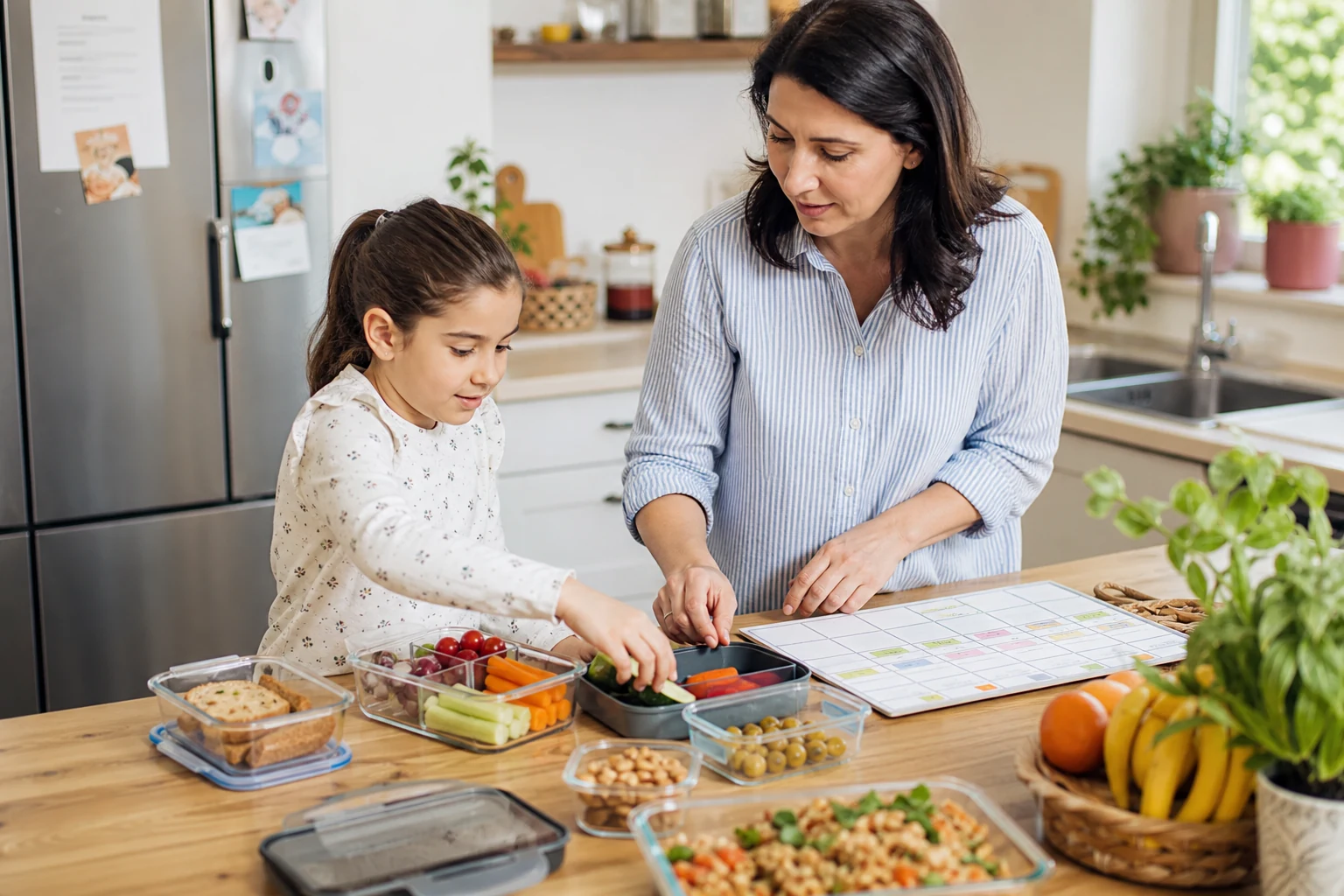
Balanced plates, happy tables
Family Nutrition Without the Stress
Learn how to build a flexible, safe, and budget-friendly family nutrition routine that adapts as your child grows, without rigid rules or food labels.
General Information: General information only; it may vary from child to child. Talk to your doctor or a specialist before making decisions.
In short
- Build a flexible routine that adapts to your child’s hunger and fullness cues, not a strict schedule.
- Keep meals simple, safe, and affordable by focusing on variety and shared family time.
- Involve kids in planning and preparing meals to encourage lifelong healthy habits.
- Handle busy days without guilt by keeping easy, nutritious options on hand.
Lumiya Editorial TeamBased on 4 sourcesOur editorial standards
Start with a flexible rhythm, not a rigid schedule
Meals and snacks work best when they follow a gentle rhythm rather than a strict clock. Young children’s appetites can shift daily, and that’s normal.

Meals don’t need a strict clock: the American Academy of Pediatrics encourages regular family meals as one of the simplest ways to support a nourishing diet.
Keep portions small and easy to adjust.
Focus on variety, not perfection
Aim for balance across food groups over the course of a week, not every single meal. Include fruits, vegetables, whole grains, proteins, and dairy or fortified alternatives in ways that fit your family’s routine.
If your household follows a vegetarian pattern, combine plant proteins like beans, lentils, tofu, and quinoa to cover essential amino acids.

The WHO emphasizes that dietary patterns matter more than single foods or nutrients, and variety is key to meeting nutrient needs without rigid rules.
Shared meals create connection and routine. Even on busy days, a simple bowl of soup, a wrap, or a plate of leftovers eaten together reinforces healthy habits. If schedules clash, aim for at least one sit-down meal most days.
Age-appropriate roles in the kitchen
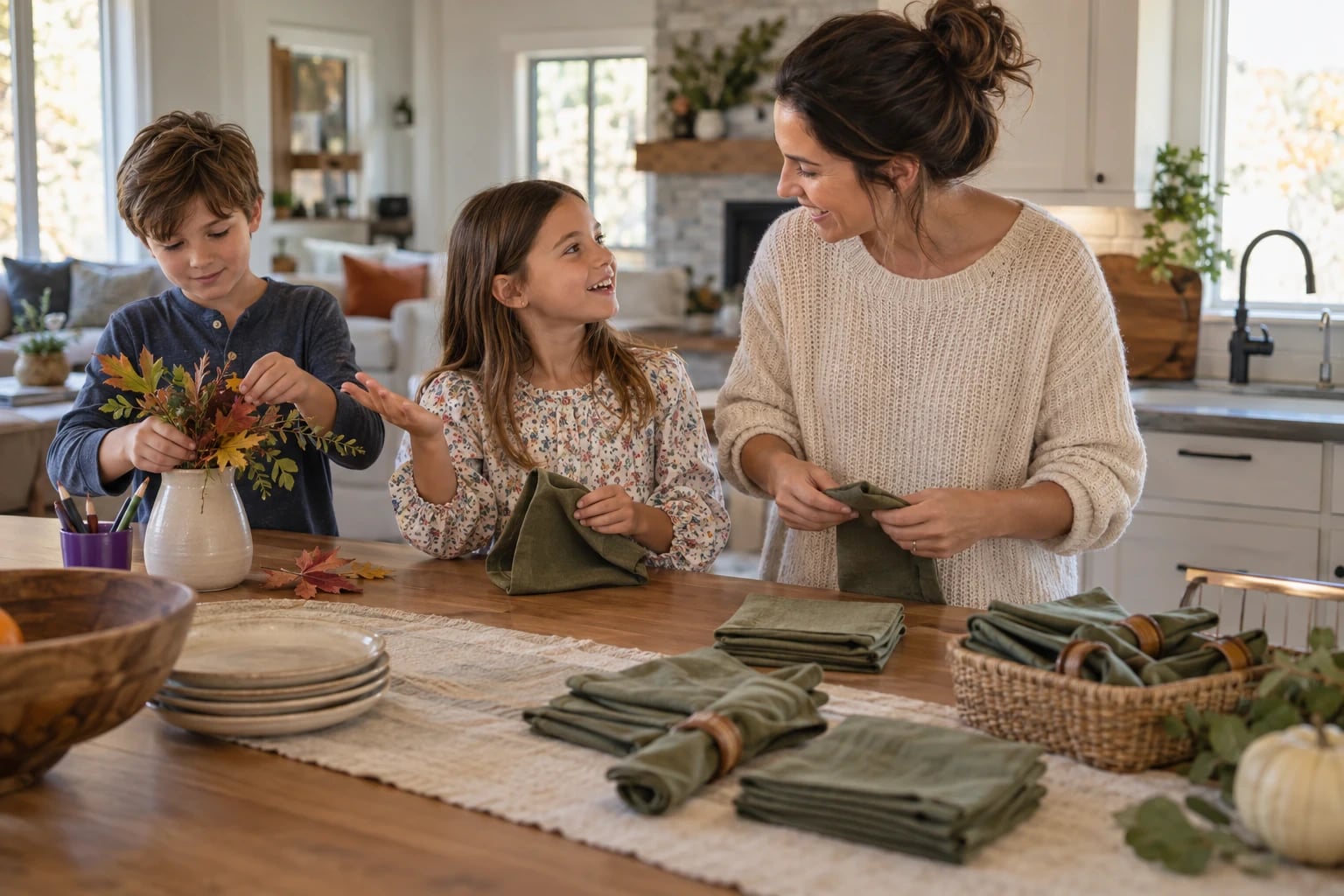
Toddlers can wash veggies, tear lettuce, or stir ingredients in a bowl. Preschoolers can set the table, pour cereal, or spread peanut butter on toast.
Keep food safe and simple
Food safety starts at the store and continues at home. Check expiration dates, avoid dented cans, and keep raw meats separate from ready-to-eat foods. Wash hands, utensils, and surfaces often, especially after handling raw poultry, meat, or eggs.
Store leftovers in shallow containers within two hours of cooking and refrigerate or freeze promptly. Reheat leftovers to 165°F before serving. Teach kids to recognize when food looks or smells off and to ask before eating something unfamiliar.
The FDA advises that cross-contamination is a leading cause of foodborne illness, so keeping raw and cooked foods separate is essential.
Hydration matters too. Offer water throughout the day, especially with meals and snacks. Limit sugary drinks like soda, fruit punch, and sports drinks.
Plan ahead for busy days
Life doesn’t always align with meal times, but a little planning goes a long way. Keep a stash of easy, nutritious options: whole-grain crackers with cheese, hummus with veggie sticks, yogurt with granola, or pre-cut fruit.
Use a seven-day planning table to map out meals and snacks without overcommitting. Include one “leftovers night” or “whatever’s in the fridge” meal to reduce waste.
Handling selective eating with calm
Selective eating is common, especially in toddlers and young children. Stay neutral and avoid pressure. Offer one familiar food alongside one or two new options at each meal. If they refuse everything, stay calm and end the meal without comment.
Research shows that repeated exposure to new foods, even in small amounts, increases acceptance over time without forcing the issue.
If selective eating persists or is accompanied by weight loss, fatigue, or other concerns, discuss it with your pediatrician. Sometimes, underlying issues like swallowing difficulties or sensory sensitivities play a role.
Make meals a family affair
Shared meals strengthen bonds and model healthy habits. Even 10–15 minutes of sitting together can make a difference. Turn off screens, put away phones, and focus on conversation.
Cultural and religious traditions can shape your family’s meals. Honor these practices while gently introducing new foods or flavors.
Budget-friendly strategies
Nutritious meals don’t have to be expensive. Plan meals around sales and seasonal produce. Buy in bulk when possible—rice, oats, beans, and frozen vegetables are affordable staples.
Grow herbs or small vegetables like cherry tomatoes or lettuce in pots if space allows. Involve kids in gardening—they’re more likely to try foods they’ve helped grow. Community gardens or local food co-ops can also provide fresh produce at lower costs.
Adapt textures and responsibilities by age
Infants start with smooth purees and progress to soft finger foods as they develop chewing skills. Toddlers need foods cut into small, manageable pieces to prevent choking—avoid whole grapes, nuts, popcorn, and hard raw veggies.
Adjust utensils and dishes to fit your child’s abilities. Small, lightweight forks or spoons work better for little hands, while divided plates can help with portioning.
Sample seven-day plan (flexible and adaptable)
| Day | Meal/Snack | Food Groups | Child Participation | Safety/Storage Check | Next Adjustment |
|---|---|---|---|---|---|
| Monday | Breakfast: Oatmeal with banana slices and a drizzle of honey | Whole grains, fruit, dairy | Stirring oats, adding toppings | Store honey out of reach for young children | Try adding chia seeds next week |
| Tuesday | Lunch: Turkey & cheese roll-ups with carrot sticks and hummus | Protein, dairy, veggies | Rolling up tortillas, arranging veggies | Check turkey for freshness; refrigerate leftovers within 2 hours | Swap turkey for grilled chicken |
| Wednesday | Dinner: Sheet-pan salmon, sweet potatoes, and green beans | Protein, veggies, whole grains | Washing veggies, placing salmon on tray | Use separate cutting boards for raw fish and veggies | Try a different fish like cod next week |
| Thursday | Snack: Yogurt parfait with granola and berries | Dairy, whole grains, fruit | Layering yogurt and granola | Check yogurt expiration date | Add a sprinkle of cinnamon |
| Friday | Breakfast: Scrambled eggs with whole-grain toast and apple slices | Protein, whole grains, fruit | Cracking eggs, toasting bread | Cook eggs thoroughly; refrigerate leftovers | Try adding spinach to eggs |
| Saturday | Lunch: Build-your-own bowls with rice, black beans, cheese, salsa, and avocado | Whole grains, protein, dairy, veggies | Measuring rice, assembling bowls | Store salsa and cheese separately to prevent sogginess | Add shredded lettuce next time |
| Sunday | Dinner: Whole-wheat pasta with marinara sauce, ground turkey, and steamed broccoli | Whole grains, protein, veggies | Stirring sauce, snapping broccoli florets | Cook pasta al dente; refrigerate leftovers promptly | Try whole-wheat pasta next week |
This table is a starting point—adjust based on your family’s preferences, schedule, and local availability. The key is flexibility and consistency without rigidity.
When to seek help
Most eating challenges resolve with patience and routine. However, some signs warrant a closer look. If your child consistently refuses entire food groups for weeks, shows signs of dehydration, or experiences allergic reactions like hives or swelling, contact your pediatrician.
Eating disorders in adolescents can be subtle at first. Watch for rigid food rules, secretive eating, or extreme anxiety around meals. Early support from a healthcare provider can make a big difference.
Small steps, lasting change
Building a flexible, safe, and affordable family nutrition routine isn’t about perfection. It’s about creating a positive environment where food is nourishing, enjoyable, and stress-free.
Celebrate progress, not perfection. If a meal flops or a snack goes uneaten, try again tomorrow. The goal isn’t to get it right every time; it’s to keep showing up with kindness and consistency.
General Information: This content offers general information based on expert sources. Every child, family and situation is different, so what is described here may vary from person to person. Talk to your doctor or a qualified specialist before making decisions about your child.
Was this article helpful?
This topic at other agesFeeding & Nutrition
Tools for this Age
- Baby percentile calculatorWhere does your child's weight and height sit among children the same age? See it in seconds on the WHO growth curves.
- Baby and child sleep scheduleHow much should your child sleep in 24 hours, and when should bedtime be? Calculate it from official guidance and compare it with your own log.
- Baby milestones by monthCheck off what most children your child's age can do, and talk about the rest with your doctor.
- Baby vaccine schedulePick your country, enter the birth date, and see the official schedule as your own dates.
- Baby teething chart: order and timelineEnter the date of birth to see the typical eruption window of all 20 baby teeth, the next tooth and the teeth already through — on one screen.
- Baby feeding schedule: weaning chart by monthEnter your country and the date of birth: when to start solids, meals and textures by age, and until when to avoid certain foods — with dates.
Checklist
Popular Topics
Frequently Asked Questions
- 1
- 2
- 3
- 4
Editorial Note
This guide offers general education only. If your child shows persistent swallowing difficulty, dehydration, allergic reactions, significant growth concerns, repeated vomiting, severe food restriction, fainting, suspected eating disorder, or other marked changes in health or functioning, seek timely assessment from a local health professional. Urgent care is needed for immediate danger.
Other situations in this topic
Dealing with a different side of the same topic? Each situation has its own guide.
- School lunches and packed lunchesPractical ways to support healthy eating for 6–9-year-olds without pressure, including school food, sensory preferences, and realistic family meals.1 items
- Teen skips meals and lives on fast foodA practical guide to building balanced, teen-friendly meals with flexible components, affordable swaps, and food safety tips for families with kids aged 12–18.1 items