 lumiya.com.tr
Balanced plates, happy tables
Nutrition for 6–9 Year Olds
Practical ways to support healthy eating for 6–9-year-olds without pressure, including school food, sensory preferences, and realistic family meals.
General Information: General information only; it may vary from child to child. Talk to your doctor or a specialist before making decisions.
In short
- Focus on offering varied, familiar foods without forcing intake or labeling foods as good or bad.
- Encourage gentle participation in meal prep to build comfort with new foods over time.
- Watch for hunger and fullness cues rather than relying on portion sizes or external rules.
- Use neutral language and avoid bribes or shame to keep mealtimes calm and predictable.
Lumiya Editorial TeamBased on 4 sourcesOur editorial standards
Why routine matters for 6–9-year-olds
Between ages 6 and 9, children grow steadily but not as fast as in the first five years. Their appetites can shift day to day, and they may eat more at one meal than another. Keeping predictable meal and snack times helps them recognize hunger and fullness without constant reminders.

Routines create safety. When children know what to expect, they’re more likely to try new foods without feeling rushed or judged.
At home, aim for three meals and one to two snacks spaced about two to three hours apart. If your child skips a meal, offer a snack later rather than forcing a big plate. Watch for signals like slowed eating, turning away, or saying they’re done—these usually mean they’re satisfied.
School food and home meals: making them work together
School lunches in the U.S. follow guidelines that include fruits, vegetables, whole grains, and lean proteins. Still, many kids prefer packed meals at first. Start by reviewing the school menu with your child and noting one or two items they might try. Pack a small portion of that food at home a few times a week to build familiarity before school lunch day.
If your child has food allergies, work with the school to ensure safe options and clear labeling. Keep emergency medication accessible and teach your child how to ask for help if needed.

Food safety starts at home. Wash hands before meals, keep cold foods cold, and cook meats to safe temperatures to prevent foodborne illness.
For families with limited time or budgets, batch-cook grains like brown rice or quinoa and roast extra vegetables on weekends. These can be reheated quickly on busy nights. Canned beans, frozen veggies, and eggs are affordable staples that add protein and nutrients without special skills.
Sensory preferences and gentle exposure
Many 6–9-year-olds have strong likes and dislikes based on texture, color, or smell. A food rejected today might be accepted next week. Instead of insisting they try it, offer small portions alongside familiar foods. Let them explore with their senses—touch the food, smell it, or lick it—before expecting a bite.
Neurodiverse children may need even slower exposure. Use visual schedules or social stories to prepare them for new foods. Pair new foods with preferred ones to reduce anxiety. If texture is the issue, try blending or mashing foods into sauces or smoothies.
Pressure often backfires. Stay calm and neutral. Praise effort, not results—"You smelled the broccoli!" instead of "You have to eat it."
Cultural foods can be a bridge. If your family enjoys dishes with familiar flavors, include them regularly. New foods introduced in a cultural context often feel safer than unfamiliar dishes.
Involving kids in meal prep
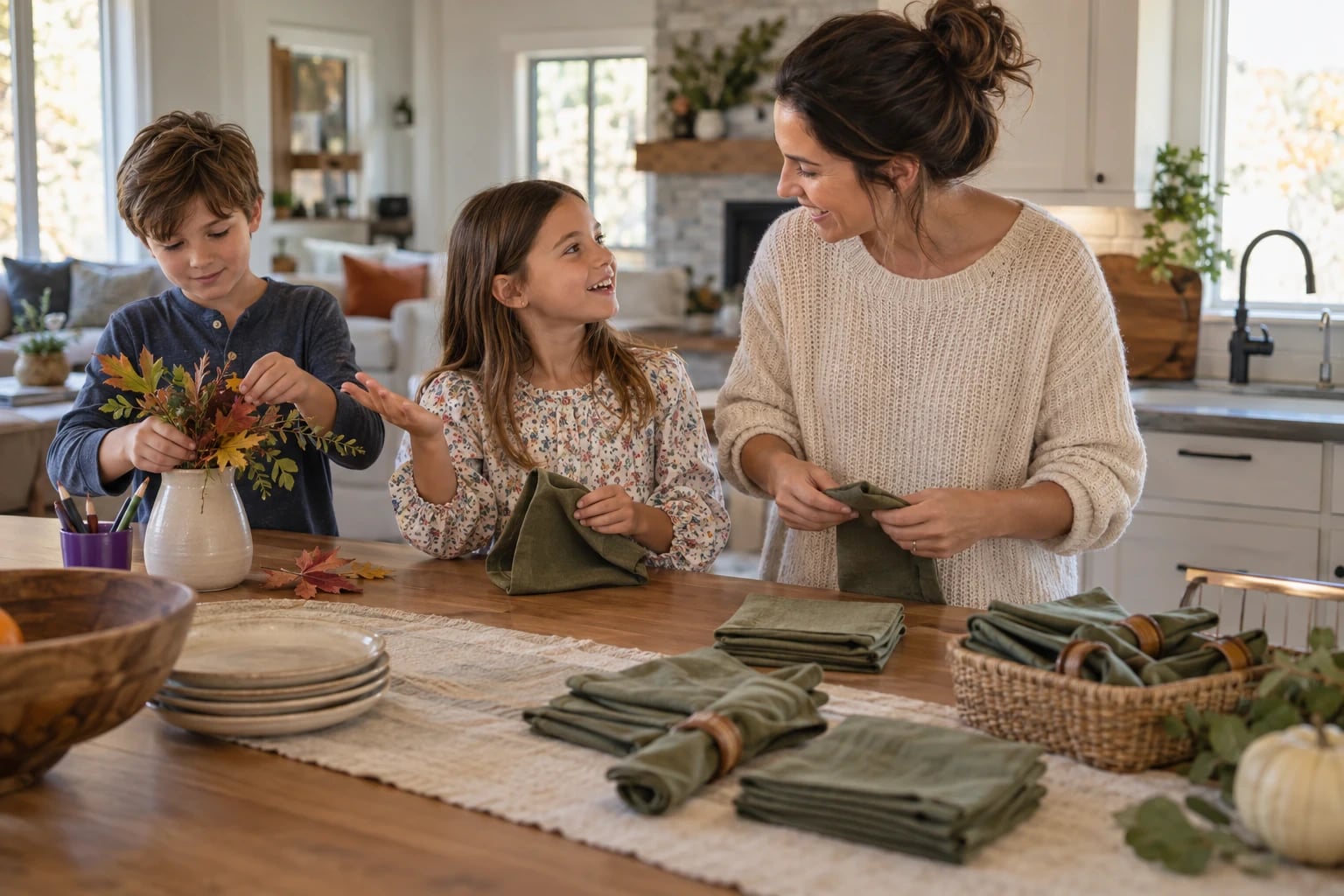
Children this age can wash veggies, stir ingredients, or set the table. Participation builds confidence and curiosity about food. Start with simple tasks and increase complexity as they grow. If your child has a disability, adapt tools like non-slip mats or easy-grip utensils to make prep accessible.
Meal prep isn’t about perfection. It’s about connection and learning.
Keep tasks short—10 to 15 minutes—to match attention spans. Praise their help, not the outcome. Over time, they may feel more willing to taste what they helped create.
One-week observation table
| Day | Setting | Food offered | Child response | Hunger/fullness cues | Adult language | Sensory/context factors | School info | Next step |
|---|---|---|---|---|---|---|---|---|
| Monday | Breakfast at home | Oatmeal with banana slices, milk | Ate half, pushed bowl away | Slowed chewing, said "done" | "You tried the banana today—thanks for letting me know when you’re full." | Warm, familiar smell | School lunch: turkey roll-ups, carrot sticks, apple slices | Pack a small carrot stick at home to try together |
| Tuesday | After-school snack | Whole-grain crackers, cheese cubes, grapes | Ate all crackers, left cheese and grapes | Finished crackers, said "no more" | "I see you finished the crackers. Want some water?" | Bright grapes, crunchy crackers | School snack: yogurt tube, granola bar | Ask school about yogurt options for next week |
| Wednesday | Dinner at home | Baked chicken, mashed sweet potatoes, steamed broccoli | Ate chicken and sweet potatoes, touched broccoli | Ate slowly, said "tired" | "You ate the chicken and sweet potatoes—great job!" | Soft textures, mild flavor | School lunch: mac and cheese, peas, orange wedges | Try steamed broccoli at home again Friday |
| Thursday | School lunch | Grilled cheese sandwich, tomato soup, cucumber slices | Ate half sandwich, left soup and cucumbers | Pushed bowl away, said "too hot" | Teacher: "You tried the sandwich—good for you!" | Warm soup, soft bread | School lunch menu reviewed | Pack a small cucumber slice at home to try |
| Friday | Breakfast at home | Scrambled eggs, whole-wheat toast, berries | Ate eggs and toast, left berries | Finished eggs, said "all done" | "You finished your eggs and toast—thanks for telling me when you’re full." | Bright berries, fluffy eggs | School lunch: chicken nuggets, corn, apple sauce | Offer berries again next week, no pressure |
| Saturday | Family meal | Lentil soup, brown rice, side salad | Ate soup and rice, touched salad | Ate steadily, said "yummy" | "You liked the soup and rice—want to help stir next time?" | Warm soup, soft rice | N/A | Let child help stir soup next time |
| Sunday | Snack time | Popcorn, cheese cubes, apple slices | Ate popcorn and cheese, left apple | Finished popcorn, said "no more" | "You ate the popcorn and cheese—great snack!" | Crunchy popcorn, sweet apple | N/A | Try apple slices again Monday |
When to seek help
Most appetite changes in 6–9-year-olds are normal, but some signs need attention. If your child repeatedly gags, chokes, vomits after meals, or shows persistent pain, contact your pediatrician. Sudden loss of skills, extreme restriction, or concerns about growth should also prompt a call. Trust your instincts—if something feels off, it’s better to check than wait.
Growth charts are tools, not targets. Every child grows at their own pace.
If mealtimes are consistently stressful, consider speaking with a feeding therapist or registered dietitian who specializes in children. They can help with sensory challenges or anxiety around food without prescribing strict rules.
Keeping it simple and sustainable
Healthy eating for 6–9-year-olds doesn’t require perfect meals or strict rules. Focus on offering a variety of foods over the week, keeping routines predictable, and staying neutral about intake. Involve your child in small ways to build comfort and curiosity.
Small steps add up. One new food tried, one meal prepped together, one calm mealtime at a time.
Use the table above as a starting point, but adjust based on your child’s cues and your family’s life. The goal isn’t perfection—it’s creating a positive relationship with food that lasts.
General Information: This content offers general information based on expert sources. Every child, family and situation is different, so what is described here may vary from person to person. Talk to your doctor or a qualified specialist before making decisions about your child.
Was this article helpful?
This topic at other agesFeeding & Nutrition
Tools for this Age
- Baby and child sleep scheduleHow much should your child sleep in 24 hours, and when should bedtime be? Calculate it from official guidance and compare it with your own log.
- Screen time by ageSee how much screen time a day your country's official body recommends at your child's age; add daily use to compare it with the advice.
- What temperature is a fever in children?See whether the temperature you measured counts as a fever according to your country's official health source, when to get help at your child's age and the warning signs.
- Child Height Predictor & Genetic Target Height CalculatorHow tall will your child be as an adult? Enter both parents' heights to calculate the pediatric mid-parental target height and expected adult height range using the Tanner and AAP formulas.
Checklist
Popular Topics
Frequently Asked Questions
- 1
- 2
- 3
- 4
Editorial Note
If your child shows persistent changes in appetite, repeated vomiting, choking, dehydration, marked restriction, loss of skills, or growth concerns, contact your pediatrician or local health services immediately.
Other situations in this topic
Dealing with a different side of the same topic? Each situation has its own guide.