 lumiya.com.tr
Balanced plates, happy tables
Picky Eating in Young Children (1–6 Years): Calm, Responsive Mealtimes
Learn how to support your 1–6-year-old’s changing appetite without pressure. Discover responsive feeding strategies, safe food choices, and when to seek help.
General Information: General information only; it may vary from child to child. Talk to your doctor or a specialist before making decisions.
In short
- Changing appetite is normal, not stubbornness—observe cues and respond calmly.
- Keep one familiar food on the plate and offer tiny, low-pressure contact with new foods.
- Model eating, protect seated supervision, and avoid force or rewards.
- Know when to seek help for persistent issues or concerning signs.
Lumiya Editorial TeamBased on 4 sourcesOur editorial standards
This guide covers ages 1 to 6. It starts with picky eating at 1–3 and has a separate section on what changes between 3 and 6.
Between ages 1 and 3, many families notice their child’s appetite shifting from day to day. One meal they may devour a whole banana; the next, they push away the same fruit after one bite.
What’s happening in your toddler’s world
Toddlers grow more slowly than infants, so their need for food can feel inconsistent. Teething, minor illnesses, or even a change in routine can temporarily reduce appetite.

A toddler who refuses broccoli today may happily touch it tomorrow. Stay patient and keep offering without pressure.
Cultural staples and family meals shape what foods feel familiar and safe.
Shared households and childcare
When meals happen across multiple settings—home, childcare, or with extended family—consistency can feel harder to maintain. Childcare providers may offer different foods or schedules, and grandparents might have their own traditions.
Responsive feeding: your role and your child’s role
Responsive feeding means you provide the structure and safety, while your child decides whether and how much to eat.
Build meals with one familiar anchor
Include at least one food your child usually accepts. This “safe” food doesn’t have to be a favorite—it can be a plain piece of toast, a few crackers, or a familiar fruit.
Offer tiny, low-pressure contact
Instead of asking your toddler to take a bite, invite them to explore.
Model eating and protect supervision
Toddlers learn by watching.
Change one variable at a time
If your child rejects a food, avoid making multiple changes at once. For example, don’t switch textures, temperatures, and flavors in the same meal.
When appetite changes aren’t just pickiness
Most toddlers go through phases of picky eating, but some changes signal something more. Teething can make chewing painful, so offer soft, cool foods like applesauce or yogurt.

If your toddler vomits repeatedly, has trouble swallowing, or shows signs of an allergic reaction like hives or swelling, seek help right away.
A two-week snapshot: what responsive feeding looks like
| Day | Meal/Context | Foods Offered | Familiar Option | Contact or Tasting | Hunger/Fullness Cue | Adult Response | Comfort/Safety Issue | Next Step |
|---|---|---|---|---|---|---|---|---|
| 1 | Breakfast at home | Scrambled eggs, steamed zucchini sticks, whole wheat toast | Toast | Touched zucchini | Ate half the toast, pushed eggs away | “You touched the zucchini—that’s new!” | None | Offer zucchini again tomorrow with toast |
| 2 | Snack at park | Sliced peaches, cheese cubes, crackers | Crackers | Licked peach slice | Finished crackers and cheese, ignored peaches | “You tasted the peach—that’s brave!” | None | Repeat peaches with crackers tomorrow |
| 3 | Dinner with grandparents | Mashed sweet potato, shredded chicken, rice | Rice | Smelled sweet potato, pushed away | Ate rice and chicken, left sweet potato | “You smelled the sweet potato—that’s how we start.” | None | Offer sweet potato plain tomorrow |
| 4 | Lunch at childcare | Pasta with butter, steamed broccoli florets, apple slices | Pasta | Bit broccoli, then spat out | Ate pasta and apples, touched broccoli | “You took a bite of broccoli—that’s progress!” | None | Repeat broccoli with pasta tomorrow |
| 5 | Breakfast at home | Oatmeal with banana slices, toast strips | Toast | Ate one banana slice | Finished toast and banana, left oatmeal | “You ate the banana—that’s great!” | None | Offer oatmeal again later in the week |
| 6 | Snack after nap | Yogurt with blueberries, graham crackers | Graham crackers | Stirred yogurt with finger | Ate graham crackers, tasted yogurt | “You stirred the yogurt—that’s fun!” | None | Repeat yogurt tomorrow with crackers |
| 7 | Dinner at home | Black beans, corn tortilla, avocado slices | Tortilla | Touched avocado | Ate tortilla and beans, ignored avocado | “You touched the avocado—that’s new!” | None | Offer avocado again next week |
| 8 | Lunch at home | Tofu cubes, steamed carrot coins, rice | Rice | Pushed tofu away | Ate rice and carrots, left tofu | “You ate the carrots—that’s good!” | None | Repeat tofu with carrots tomorrow |
| 9 | Snack at park | Sliced pears, cheese cubes, whole grain crackers | Crackers | Licked pear slice | Finished crackers and cheese, tasted pear | “You tasted the pear—that’s brave!” | None | Repeat pears with crackers tomorrow |
| 10 | Dinner with extended family | Macaroni and cheese, steamed green beans, apple sauce | Macaroni and cheese | Smelled green beans | Ate macaroni and applesauce, touched green beans | “You smelled the green beans—that’s how we start.” | None | Offer green beans plain tomorrow |
| 11 | Breakfast at home | Whole milk yogurt, banana slices, whole wheat toast strips | Toast | Ate yogurt and banana | Finished yogurt and banana, left toast | “You ate the banana and yogurt—that’s great!” | None | Repeat toast tomorrow |
| 12 | Snack after nap | Cottage cheese with pineapple chunks, whole grain crackers | Crackers | Stirred cottage cheese | Ate crackers and cottage cheese, tasted pineapple | “You stirred the cottage cheese—that’s fun!” | None | Repeat pineapple tomorrow |
| 13 | Dinner at childcare | Baked chicken strips, roasted sweet potato cubes, apple slices | Chicken | Ate one chicken strip | Finished chicken and apples, touched sweet potato | “You ate the chicken—that’s good!” | None | Offer sweet potato again next week |
| 14 | Breakfast at home | Scrambled eggs, whole wheat toast, sliced peaches | Toast | Ate one peach slice | Finished toast and eggs, tasted peach | “You tasted the peach—that’s brave!” | None | Repeat peaches with toast tomorrow |
This table shows how small, repeated exposures build familiarity over time. Notice that the familiar option is always present, and new foods are offered without pressure.
Keeping mealtimes calm and predictable
Toddlers thrive on routine. Try to serve meals and snacks at roughly the same times each day. Offer water between meals to stay hydrated, but avoid filling up on milk or juice.
Texture matters
At this age, toddlers are still developing chewing skills. Offer soft, bite-sized pieces—about the size of a pea for new foods, and the size of a grape for familiar ones.
When to seek help
Most picky eating resolves with time and patience.
Small steps, big impact
You don’t need to fix picky eating overnight. Focus on creating a calm, predictable mealtime environment where your child can explore food at their own pace. Keep offering a variety of foods, even if they’re rejected at first.
Remember, your role is to provide safe, age-appropriate foods and a supportive space. Your child’s role is to decide whether and how much to eat. Trust their cues, stay patient, and celebrate small wins along the way.
Ages 3–6: what changes with picky eating?
Between 3 and 6, picky eating is still a normal part of development and is often temporary. At this age children are more sensitive to taste, smell, colour and texture, and to how food looks; their wish for independence shows up on the plate too. That’s why refusing an ingredient as a purée but accepting it as a meatball isn’t surprising.
What helps at this age:
- Share the roles. You decide what, when and where food is offered; your child decides whether to eat and how much.
- Predictable meals. Keep regular times for meals and snacks, and eat together as a family and screen-free—no TV or tablet—whenever you can.
- Offer new foods again and again, without pressure. Serve a small amount of a new food next to a familiar one, in different forms and many times over; don’t force or bribe.
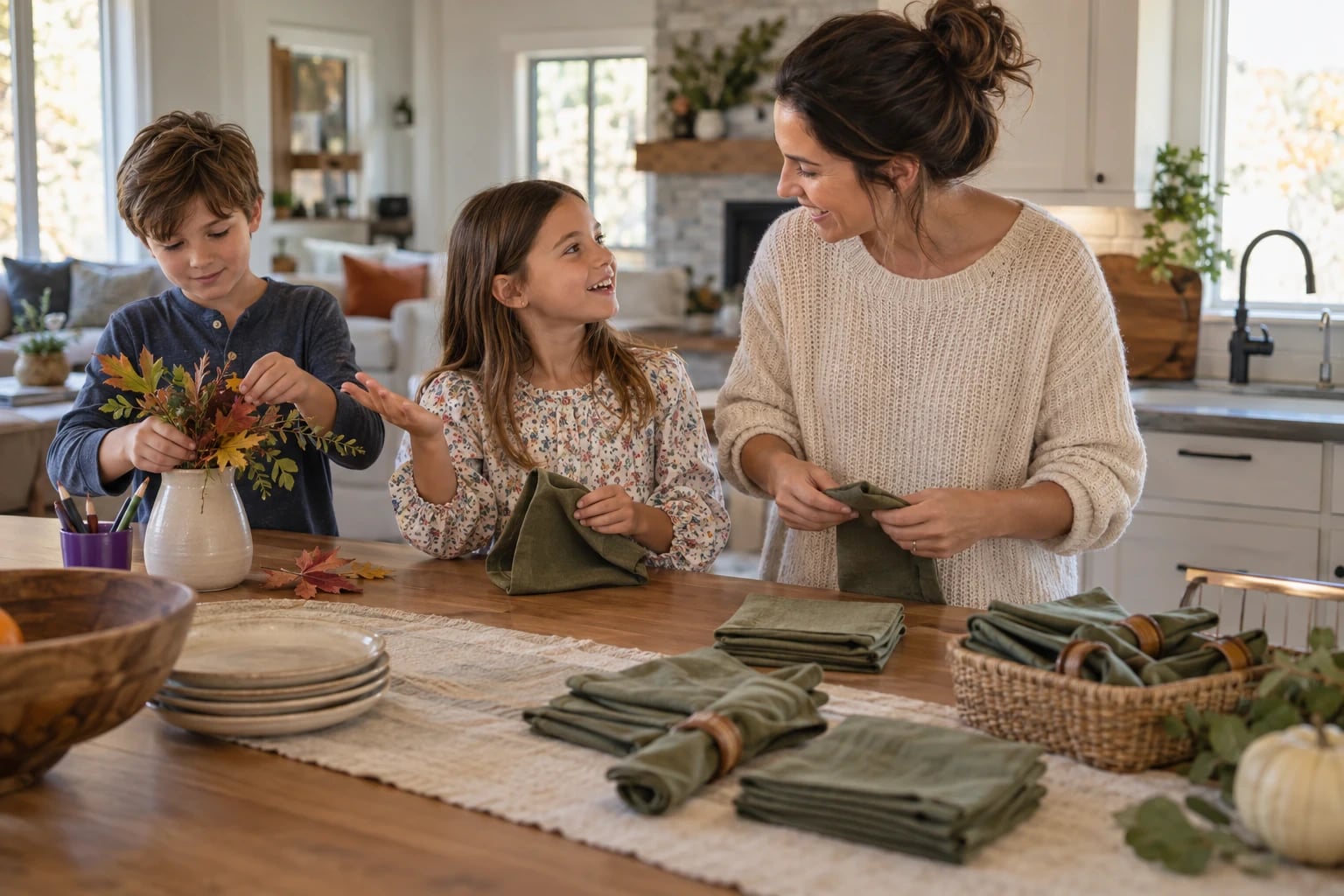
- Bring them into the kitchen. Small jobs like washing, stirring or arranging the plate build curiosity about new foods.
If there is weight loss or faltering growth, frequent vomiting, difficulty swallowing, intense fear of food or a very narrow list of foods, see your child’s doctor without waiting.
General Information: This content offers general information based on expert sources. Every child, family and situation is different, so what is described here may vary from person to person. Talk to your doctor or a qualified specialist before making decisions about your child.
Was this article helpful?
This topic at other agesFeeding & Nutrition
Tools for this Age
- Baby percentile calculatorWhere does your child's weight and height sit among children the same age? See it in seconds on the WHO growth curves.
- Baby and child sleep scheduleHow much should your child sleep in 24 hours, and when should bedtime be? Calculate it from official guidance and compare it with your own log.
- Potty training chartWhen to start and how to prepare? A roadmap by age, a daily routine and a printable reward chart.
- Baby milestones by monthCheck off what most children your child's age can do, and talk about the rest with your doctor.
- Baby vaccine schedulePick your country, enter the birth date, and see the official schedule as your own dates.
- Baby teething chart: order and timelineEnter the date of birth to see the typical eruption window of all 20 baby teeth, the next tooth and the teeth already through — on one screen.
Checklist
Popular Topics
Frequently Asked Questions
- 1
- 2
- 3
- 4
- 5
Editorial Note
Picky eating in toddlers is common and usually temporary. If you notice severe allergic reactions, choking, dehydration, repeated vomiting, persistent pain, unusual lethargy, or daily impairment, contact your local child-health provider or emergency support immediately.