
 lumiya.com.tr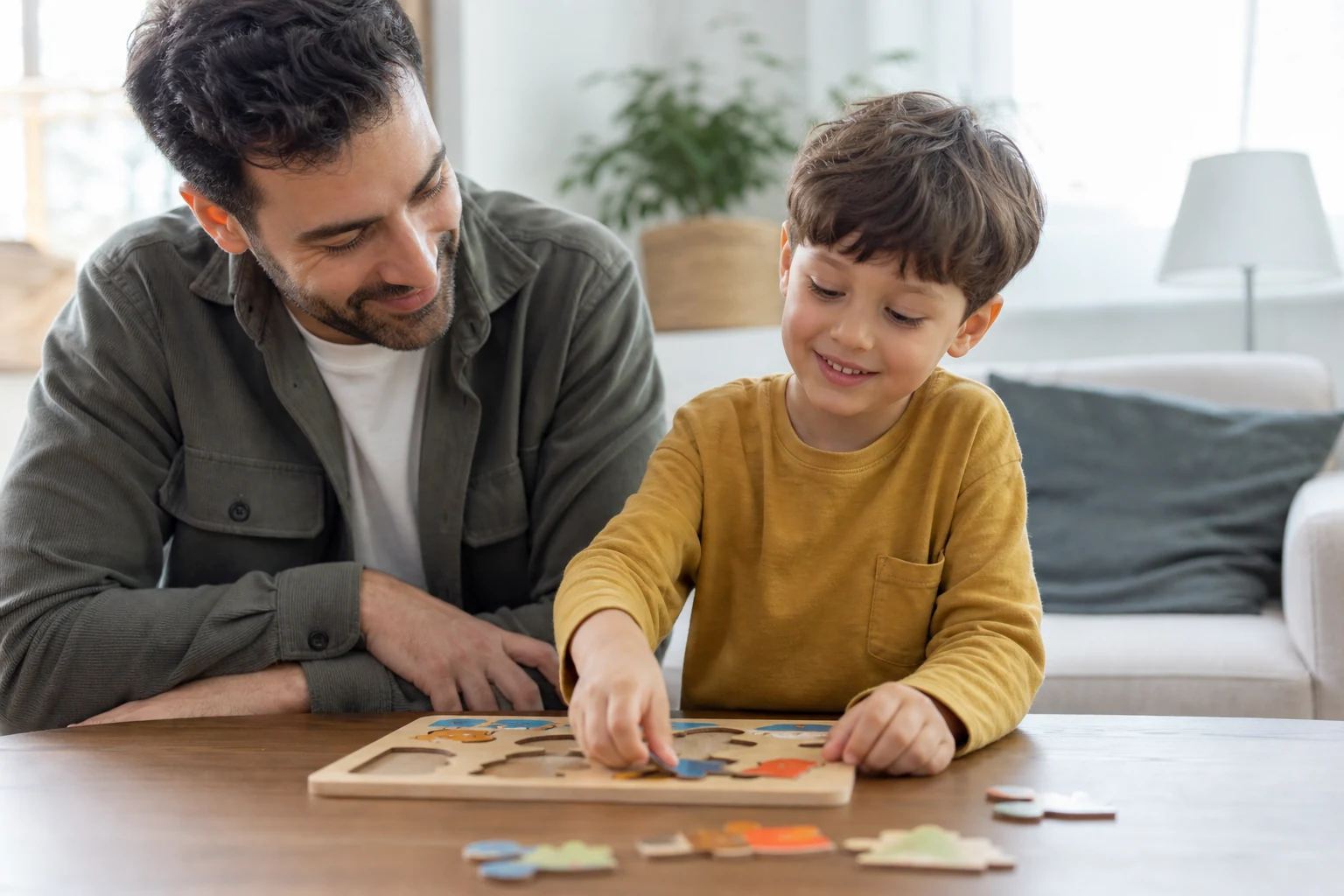
Understanding feelings builds trust
Temper Tantrums and Self-Confidence in 3-6 Year Olds
Learn how to support your preschooler’s self-confidence while managing big emotions and tantrums with practical, research-backed strategies.
General Information: General information only; it may vary from child to child. Talk to your doctor or a specialist before making decisions.
In short
- Self-confidence in preschoolers grows from small, supported choices—not constant praise.
- Tantrums are normal but can be managed with calm safety and clear boundaries.
- Repairing conflicts and acknowledging effort builds resilience better than forced bravery.
- Persistent distress may need guidance from a pediatrician or child development specialist.
Lumiya Editorial TeamBased on 4 sourcesOur editorial standards
Understanding the Connection Between Tantrums and Self-Confidence
Preschoolers are still learning how to manage big emotions, and tantrums often happen when they feel overwhelmed by frustration, disappointment, or exhaustion. These moments aren’t a sign of poor parenting or a ‘spoiled’ child; they show that regulation skills are still developing.
Self-confidence in this age group isn’t built by empty praise or forcing bravery. Instead, it grows when children experience small, supported successes and learn that mistakes are part of learning.

Children don’t need us to fix every problem for them. They need us to stay present, offer calm guidance, and help them find their own way through tough moments.
Small Choices That Build Confidence
One of the most effective ways to support self-confidence is by giving your child small, manageable choices throughout the day. These choices don’t have to be major; they can be as simple as choosing between two shirts, two snacks, or two play activities.
Avoid overwhelming them with too many options, though. Stick to two or three clear choices to prevent decision fatigue.
When Choices Aren’t Possible
There will always be moments when choices aren’t an option—leaving the house on time, for instance, or following safety rules. In these cases, frame the situation positively to maintain their sense of autonomy.
Acknowledging Effort Over Outcomes
Praise is a powerful tool, but not all praise is created equal. Generic statements like ‘Good job!’ or ‘You’re so smart!’ can actually undermine long-term confidence because they tie success to fixed traits rather than effort. Instead, focus on specific feedback that highlights their process.
For example:
- Instead of: ‘You’re a great artist!’ try ‘I love how you used so many colors in your drawing.’
- Instead of: ‘You’re so brave!’ try ‘You kept trying even when it was hard—that’s persistence.’
This kind of feedback helps children understand that their abilities grow through practice and persistence, not just innate talent. It also teaches them to value the journey of learning, not just the end result.
Repairing After Conflict
No parent gets it right every time, and conflicts are inevitable. What matters most is how you repair the situation afterward. If a tantrum escalates or you lose your temper, take a moment to regroup and then revisit the issue with your child.
For example:

‘I got frustrated earlier when you were upset. I’m sorry I raised my voice. Next time, I’ll try to stay calm and help you through it.’
This models accountability and emotional honesty, which are critical skills for your child to observe and learn. It also shows them that relationships can be repaired, even after mistakes.
Managing Tantrums with Calm Safety
Tantrums are often loud, messy, and unpredictable, but your response can help de-escalate the situation. The first step is to stay calm yourself.
If your child is safe, try sitting quietly nearby without engaging until they start to calm down. Avoid trying to reason with them in the middle of a meltdown—their brain isn’t in a state to process logic.
When to Step In
If the tantrum involves unsafe behaviors—hitting, kicking, or throwing objects—gently guide them to a safe space. Use a calm, firm voice to set limits: ‘I see you’re upset, but hitting isn’t okay. Let’s take some deep breaths together.’
Look at the pattern rather than a stopwatch. If distress is unusually intense, recovery is consistently difficult, or family life is regularly disrupted, discuss the pattern with a qualified child health professional.
Teaching Emotion Language
One of the most valuable gifts you can give your child is a rich emotion vocabulary. Preschoolers often act out because they lack the words to express what they’re feeling.
Start by labeling emotions in everyday situations:
- ‘You seem frustrated because the block tower fell down.’
- ‘I can tell you’re excited about going to the park!’
- ‘That made you sad when your friend couldn’t play today.’
Over time, your child will begin to use these words themselves, which reduces the likelihood of tantrums as they learn to express themselves in healthier ways.
Knowing When to Seek Support
Most tantrums are part of development, but extra guidance can help when episodes repeatedly involve injury risk, the child cannot recover with familiar support, or sleep, learning, relationships, and daily family life are substantially affected.
Red Flags to Watch For
- Tantrums that include breath-holding or fainting
- Extreme aggression that harms others or themselves
- Inability to calm down with usual strategies
- Regression in skills (e.g., losing language or motor abilities)
- Signs of physical illness or pain during tantrums
If any of these concerns arise, a healthcare provider can offer personalized advice and, if needed, refer you to a child development specialist.
Practical Strategies for Everyday Moments
| Scenario | Strategy | Why It Works |
|---|---|---|
| Morning rush | Give two choices: ‘Do you want to put on your shoes first or your jacket?’ | Reduces power struggles by giving control. |
| Transition struggles | Use a visual timer or song to signal changes. | Predictability eases anxiety about transitions. |
| Sharing conflicts | Acknowledge feelings first: ‘You really wanted that toy.’ Then guide problem-solving. | Validates emotions before addressing behavior. |
| Bedtime resistance | Offer a ‘special helper’ role: ‘Can you help me tuck in your stuffed animals?’ | Shifts focus from bedtime to a positive task. |
Building Resilience Through Mistakes
Mistakes are inevitable, but they’re also opportunities for growth. When your child spills their milk or struggles with a puzzle, resist the urge to jump in and fix it immediately. Instead, give them a moment to try solving the problem themselves.
This approach teaches problem-solving skills and reinforces the idea that challenges are a normal part of learning. It also builds resilience—the understanding that setbacks don’t define them, but how they respond to them does.
Children learn resilience when they see that mistakes aren’t the end of the world. They learn that they can try again, ask for help, or find another way.
Creating a Supportive Environment
Self-confidence thrives in an environment where children feel safe to explore, make mistakes, and try again. This means creating a home where effort is celebrated, emotions are acknowledged, and conflicts are repaired with kindness. It’s not about being a ‘perfect’ parent—it’s about being a ‘present’ one.
Small, consistent actions add up over time. A hug after a tough moment, a high-five for trying something new, or a quiet moment of connection at bedtime all contribute to a child’s sense of security.
Final Thoughts
Tantrums and self-confidence may seem like opposing forces, but they’re actually two sides of the same developmental coin. Tantrums are a sign that your child is learning to navigate big emotions, while self-confidence grows from the small, supported successes they experience along the way.
Your role isn’t to eliminate every tantrum or shower your child with empty praise. It’s to be their steady guide—a calm presence who helps them make sense of their feelings, learn from their mistakes, and discover their own strengths.
General Information: This content offers general information based on expert sources. Every child, family and situation is different, so what is described here may vary from person to person. Talk to your doctor or a qualified specialist before making decisions about your child.
Was this article helpful?
This topic at other agesEmotions & Behavior
Tools for this Age
- Baby percentile calculatorWhere does your child's weight and height sit among children the same age? See it in seconds on the WHO growth curves.
- Baby and child sleep scheduleHow much should your child sleep in 24 hours, and when should bedtime be? Calculate it from official guidance and compare it with your own log.
- Potty training chartWhen to start and how to prepare? A roadmap by age, a daily routine and a printable reward chart.
- Baby milestones by monthCheck off what most children your child's age can do, and talk about the rest with your doctor.
- Baby vaccine schedulePick your country, enter the birth date, and see the official schedule as your own dates.
- Screen time by ageSee how much screen time a day your country's official body recommends at your child's age; add daily use to compare it with the advice.
Checklist
Popular Topics
Frequently Asked Questions
- 1
- 2
- 3
- 4
Editorial Note
This guide is for informational purposes only. If you have concerns about your child’s development or behavior, consult a qualified healthcare provider.