 lumiya.com.tr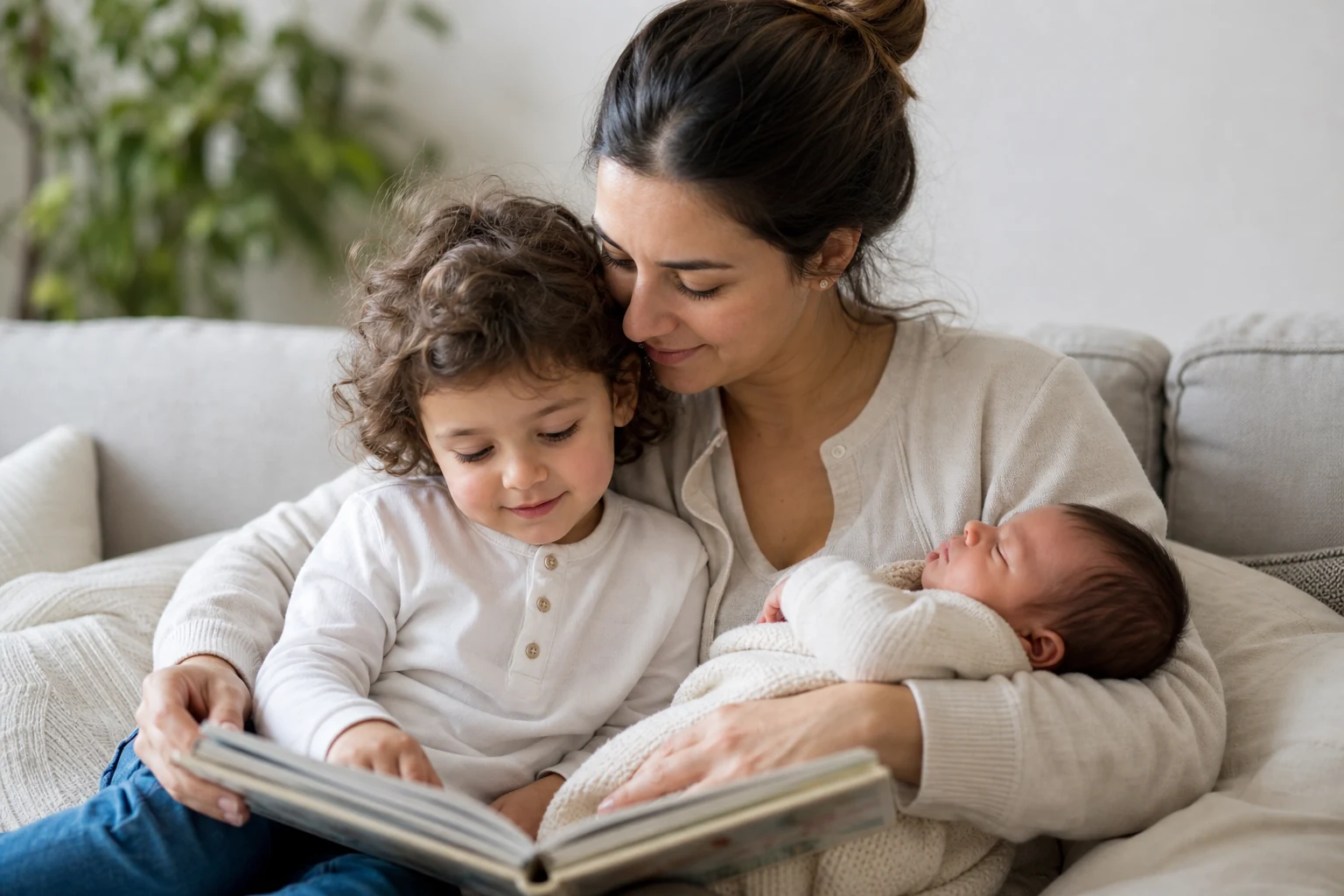
Listening is the best start
Sibling Jealousy When You Have a New Baby (0–12 Months)
A new baby changes family routines, and older siblings may react with frustration or confusion. Learn how to support every child while protecting your infant and keeping the peace at home.
General Information: General information only; it may vary from child to child. Talk to your doctor or a specialist before making decisions.
In short
- Jealousy in older siblings is normal when a baby arrives; infants don’t experience rivalry the same way.
- Focus on one-on-one time with each child to ease transitions and reduce stress.
- Set clear limits calmly when emotions run high, and never leave an infant unsupervised with a distressed sibling.
- Seek professional support if aggression escalates or you feel overwhelmed.
Lumiya Editorial TeamBased on 4 sourcesOur editorial standards
Bringing a new baby home is a joyful time, but it can also stir up big feelings for older siblings. While infants don’t experience rivalry the same way older children do, their arrival changes routines, attention, and noise levels—all of which can affect your family’s emotional climate.
What sibling jealousy looks like in the first year
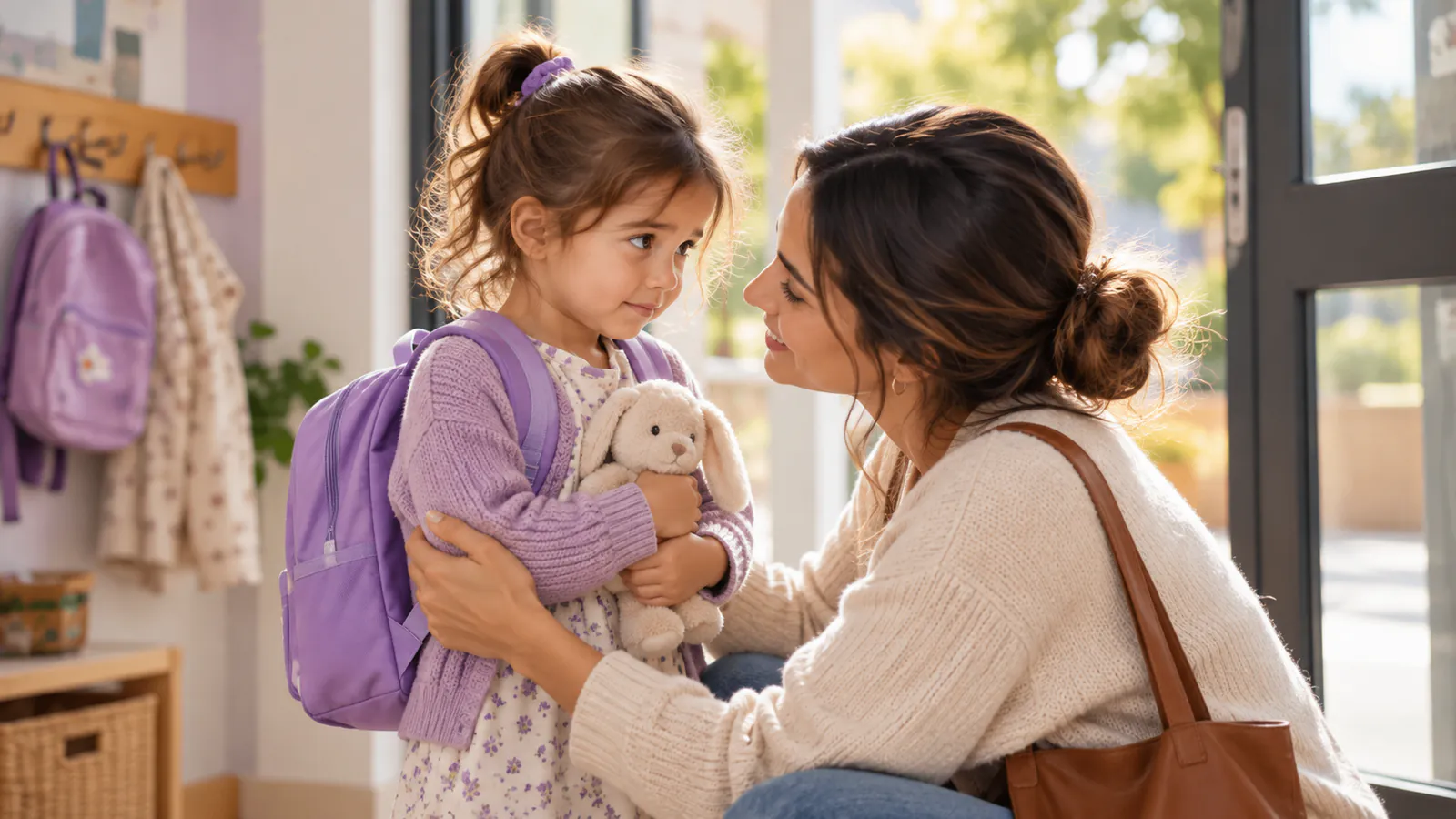
Older siblings may react strongly when a baby joins the family. They might feel confused by the sudden attention the baby receives or frustrated when their usual routines shift. Some children act out by whining more, having tantrums, or even regressing in skills like potty training. Others may become unusually quiet or clingy, seeking extra reassurance.

Infants don’t understand jealousy the way older children do, but they can sense tension in the home. Loud crying, sudden movements, or changes in caregiver availability can unsettle them, even if they don’t know why.
It’s important to remember that mixed feelings are normal. Your older child might love the baby one moment and feel frustrated the next. Avoid labeling these emotions as "bad" or "wrong." Instead, acknowledge them gently: "It’s okay to feel upset when things change. I’m here to listen."
When the baby reacts to the changes
Newborns are sensitive to their environment. If your older child’s emotions lead to loud outbursts or rough handling, the baby may become fussy or withdrawn. Pay attention to cues like stiffening, crying, or turning away. These signals can help you intervene before things escalate.
| Step | Family question | Check |
|---|---|---|
| Plan | What do we need today? | Review time, supplies and safety |
| Do | How will we share the task? | Give age-appropriate responsibility |
| Review | What should change next time? | Make a short note without blame |
Creating one-on-one moments for every child
One of the most effective ways to ease sibling tension is to carve out dedicated time for each child. Predictable, focused attention helps older siblings feel secure and valued, even when the baby needs a lot of care. These moments don’t have to be long—even 10 minutes of undivided attention can make a difference.
Practical ways to connect
- Use natural breaks: Schedule one-on-one time during naps, after the baby’s bedtime, or when another caregiver can step in.
- Follow their lead: Let your older child choose the activity, whether it’s reading a book, building blocks, or playing outside.
Avoid using the baby as the reason for every limit or rule. Instead, frame boundaries in a way that respects both children: "We keep gentle hands with the baby so we don’t hurt them, just like we keep gentle hands with our toys."
Involving older siblings without overburdening them
Older children often want to "help" with the baby, but caregiving responsibilities should never fall on their shoulders. Instead, give them small, safe tasks like fetching a diaper or singing to the baby. Praise their efforts without expecting perfection: "You’re such a great big sibling for helping me find the wipes!"
Setting limits with calm consistency
When emotions run high, it’s easy to feel overwhelmed. Older siblings may act out by hitting, pushing, or trying to grab the baby. These behaviors require a calm, firm response—not punishment, but clear boundaries.
How to respond to hitting or rough handling
- Separate safely: Move the older child to a safe space without shaming them. "I see you’re feeling upset. Let’s take a break together."
- Attend to the baby first: Check for any injuries and comfort the infant before addressing the older child.

Never leave an infant unsupervised with a distressed sibling, even for a moment. If you feel unable to stay calm or fear losing control, step away and seek support immediately.
Preserving familiar routines
Routines provide comfort for both children. Where possible, keep mealtimes, bedtime rituals, and special activities consistent. If the baby’s arrival disrupts a beloved routine, try to reintroduce it gradually. For example, if your older child usually reads a book with you at bedtime, shift that time to right after the baby’s bedtime when you’re both available.
Creating safe spaces for each child
Every child needs a place where they can retreat when overwhelmed. For your older child, this might be a cozy corner with books or quiet toys. For the baby, it’s a safe sleep space away from older siblings’ reach.
Gentle contact and supervision
Supervision isn’t just about preventing harm—it’s about fostering positive interactions. When your older child wants to interact with the baby, guide them gently:
- Encourage observation: *"Look how the baby is smiling! Can you wave too?"
- Model gentle touch: Show them how to stroke the baby’s hand softly.
- Redirect frustration: If your older child seems agitated, suggest a different activity: "Let’s go play with your blocks while the baby naps."
Avoid forcing affection or sharing. Some older children may not want to hold the baby, and that’s okay. Respect their comfort level and never pressure them.
When to seek extra support
Most sibling reactions improve with time and consistent care. But if you notice persistent aggression, extreme distress, or feelings of being unable to cope, it’s important to reach out for help. Trust your instincts—if something feels off, it’s better to ask than to wait.
Red flags that require timely help
- Injury to the baby: Any bruising, shaking, or breathing difficulties needs immediate medical attention.
- Persistent severe aggression: If your older child frequently acts out in ways that put the baby at risk, talk to your pediatrician.
Where to turn for help
Your pediatrician is a good first step—they can assess the situation and refer you to local resources. Parenting support groups, whether in-person or online, can also provide practical advice and reassurance. Remember, asking for help is a sign of strength, not failure.
Building a peaceful home for the long term
Sibling jealousy often fades as routines settle and older children adjust to their new role. The goal isn’t to eliminate all conflict but to create a home where every child feels seen, safe, and loved. By prioritizing one-on-one time, setting calm boundaries, and seeking support when needed, you’re laying the foundation for a strong sibling bond.
Small steps, big impact
- Celebrate milestones together: When the baby reaches a new skill, acknowledge your older child’s growth too.
- Avoid comparisons: Instead of saying "Look how well your sister shares," try "You’re such a kind big sibling for letting her play with your toy."
Final thoughts
A new baby brings change, and change can be hard—for everyone. By focusing on connection, consistency, and calm responses, you can help your older child feel secure while protecting your infant. Trust your instincts, lean on your support network, and remember that this phase, like all phases, will pass.
If you ever feel unsafe or unsure, reach out to a professional. Parenting is hard, and no one expects you to do it alone.
General Information: This content offers general information based on expert sources. Every child, family and situation is different, so what is described here may vary from person to person. Talk to your doctor or a qualified specialist before making decisions about your child.
Was this article helpful?
This topic at other agesRelationships & Communication
Tools for this Age
- Baby percentile calculatorWhere does your child's weight and height sit among children the same age? See it in seconds on the WHO growth curves.
- Baby and child sleep scheduleHow much should your child sleep in 24 hours, and when should bedtime be? Calculate it from official guidance and compare it with your own log.
- Baby milestones by monthCheck off what most children your child's age can do, and talk about the rest with your doctor.
- Baby vaccine schedulePick your country, enter the birth date, and see the official schedule as your own dates.
- Baby teething chart: order and timelineEnter the date of birth to see the typical eruption window of all 20 baby teeth, the next tooth and the teeth already through — on one screen.
- Baby feeding schedule: weaning chart by monthEnter your country and the date of birth: when to start solids, meals and textures by age, and until when to avoid certain foods — with dates.
Popular Topics
Frequently Asked Questions
- 1
- 2
- 3
- 4
References & Further Reading
Editorial Note
If your child hurts the baby, shakes them, or you feel unable to stay calm, seek help immediately from a pediatrician or child protection service. These are signs you need urgent support, not a moment to wait.
Other situations in this topic
Dealing with a different side of the same topic? Each situation has its own guide.