

Relationships & Communication
6–12 Years: Friendship & Social Skills
Practical ways to support your 6–12-year-old as they build friendships, navigate group dynamics, and handle conflicts with confidence.
- 6-9 Years
- 9-12 Years

Everything you want to know, in one place
All articles, guides, videos, and content in one place — from our experts.
Explore, filter, find again
Browse the archive by age, topic and type.
24 items
Practical ways to support your 6–12-year-old as they build friendships, navigate group dynamics, and handle conflicts with confidence.
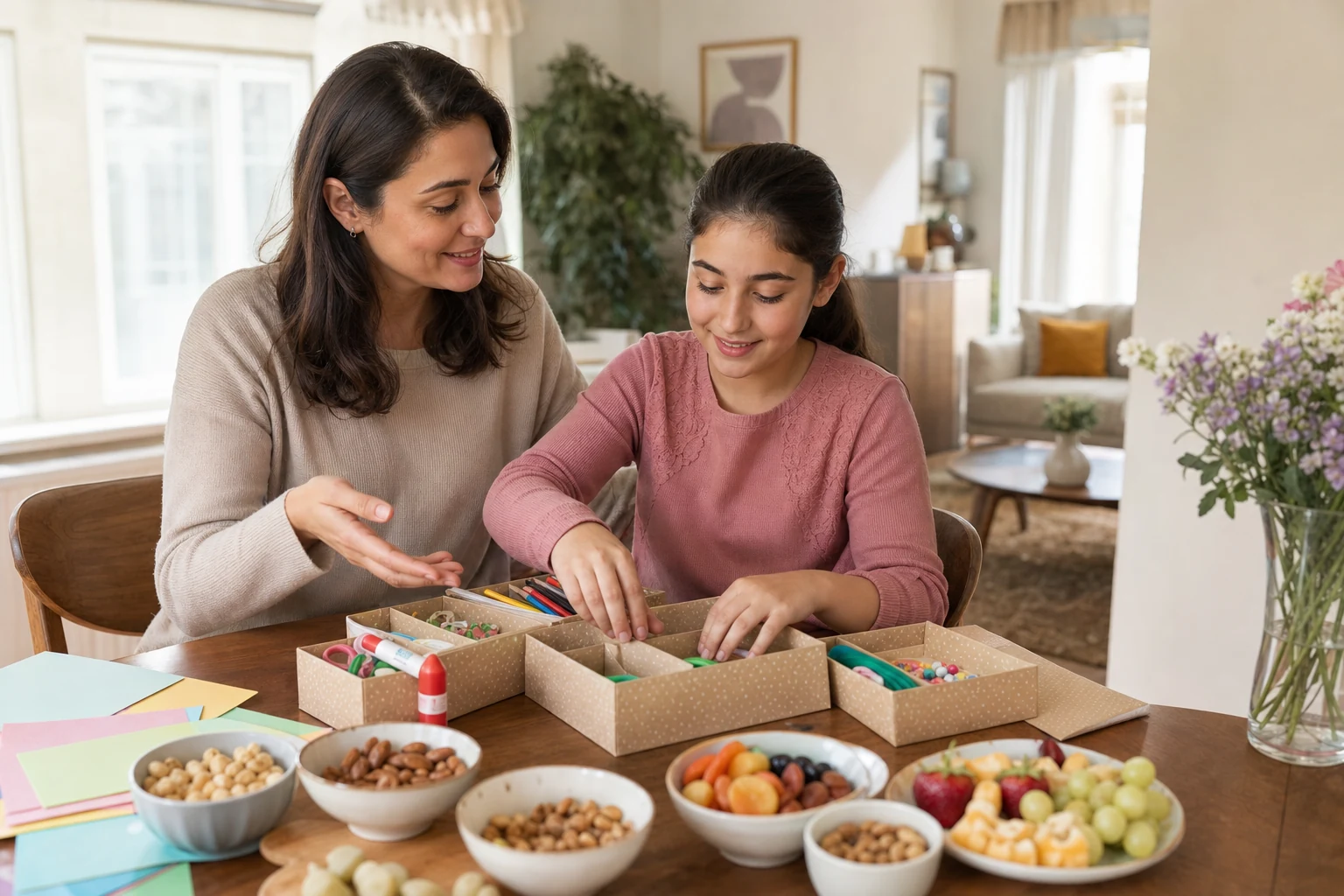
Teach kids to share with consent, set boundaries, and handle conflicts without forcing apologies or passwords.

Friendship skills evolve with age. Learn how to guide your child through each stage—from parallel play to privacy and boundaries—without pushing popularity or a fixed number of friends.

Learn how to prepare for your child’s 9–12 year vaccine visit, what to expect, and how to track their immunization record.

Between ages 9 and 12, children grow in overlapping waves of physical, cognitive, and social change. Learn how to recognize broad developmental patterns and provide steady support through routines, conversation, and shared responsibility.

Learn how to evaluate apps for children ages 9–12 with a repeatable family review process that balances fun, learning, and safety without over-reliance on store labels or premium controls.
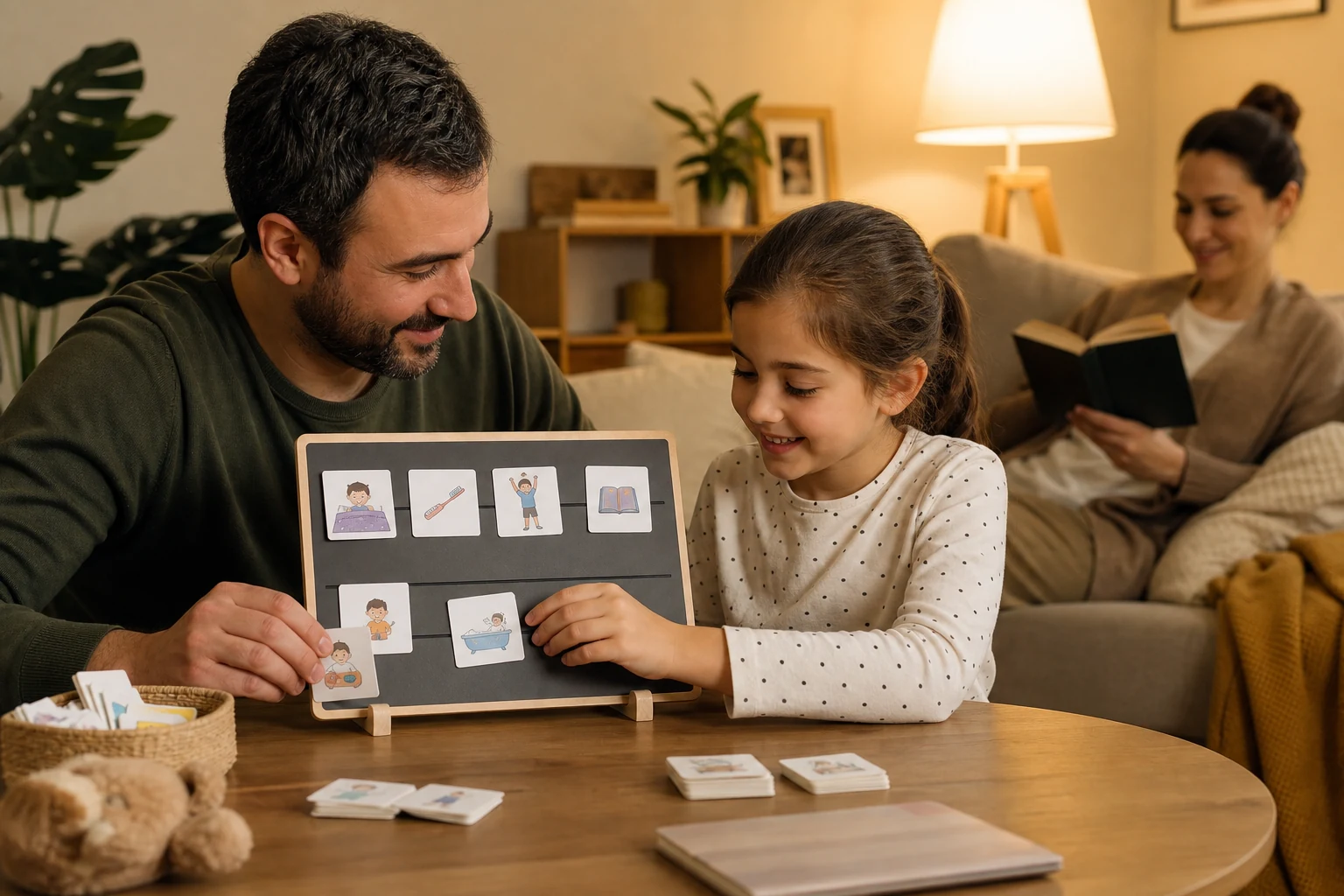
Learn how to build a flexible sleep routine for your 6–12-year-old that fits your family’s real life, not a rigid clock. Discover practical ways to adjust morning anchors, evening wind-downs and screens, and what changes between 9 and 12—without sleep training or punitive rules.
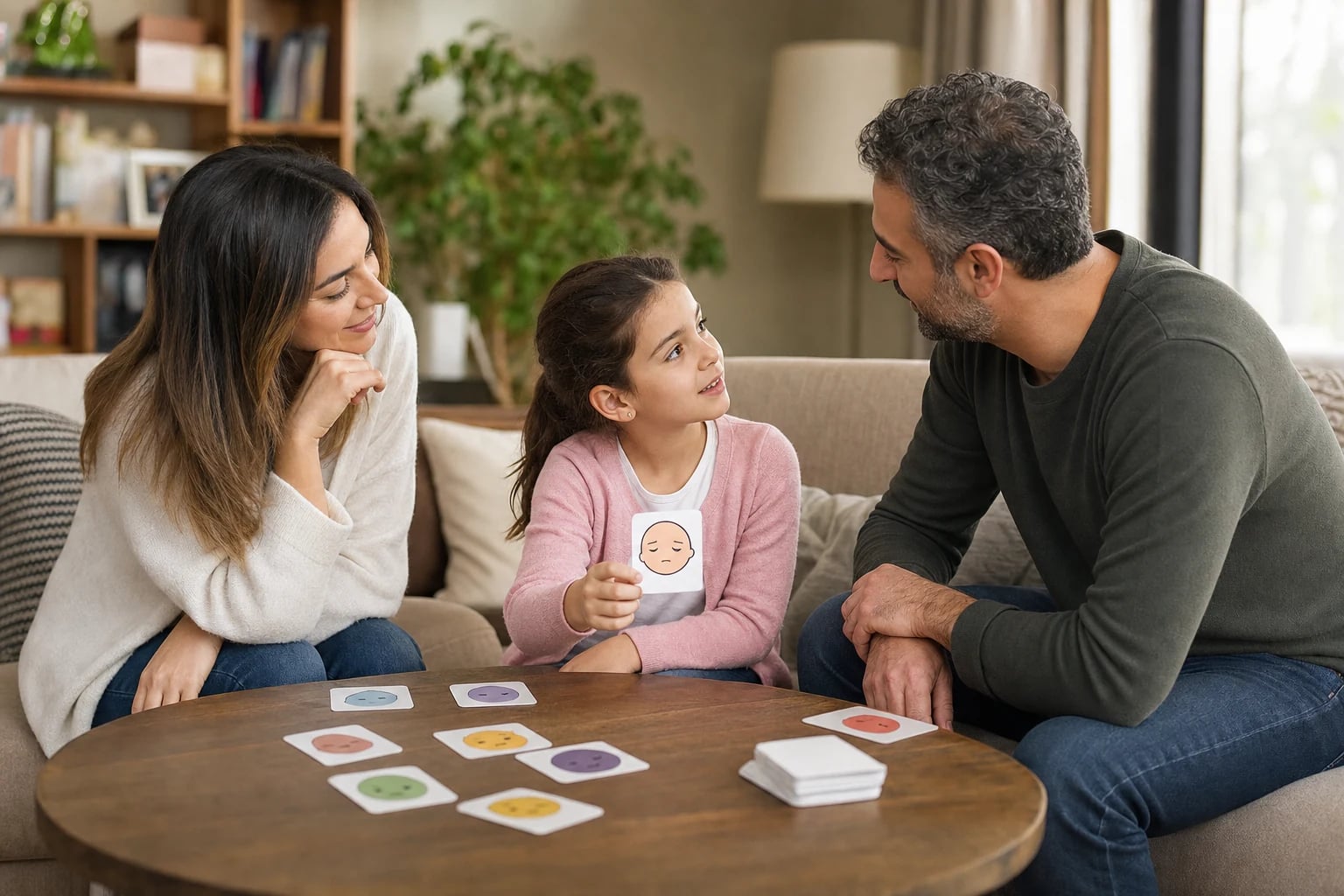
Learn how to interpret your child’s behavior as communication shaped by development, needs, and context. Discover practical steps to observe, respond, and support without punishment or diagnosis.

Learn how to build digital safety routines with your child from their first device through adolescence. Focus on shared agreements, age-appropriate participation, and open routes for help rather than one-time settings.

Adolescence isn’t a single phase but a gradual, uneven shift toward greater independence. Learn how to support your teen through changing sleep patterns, identity exploration, peer influence, and rising responsibilities while respecting their unique pace.
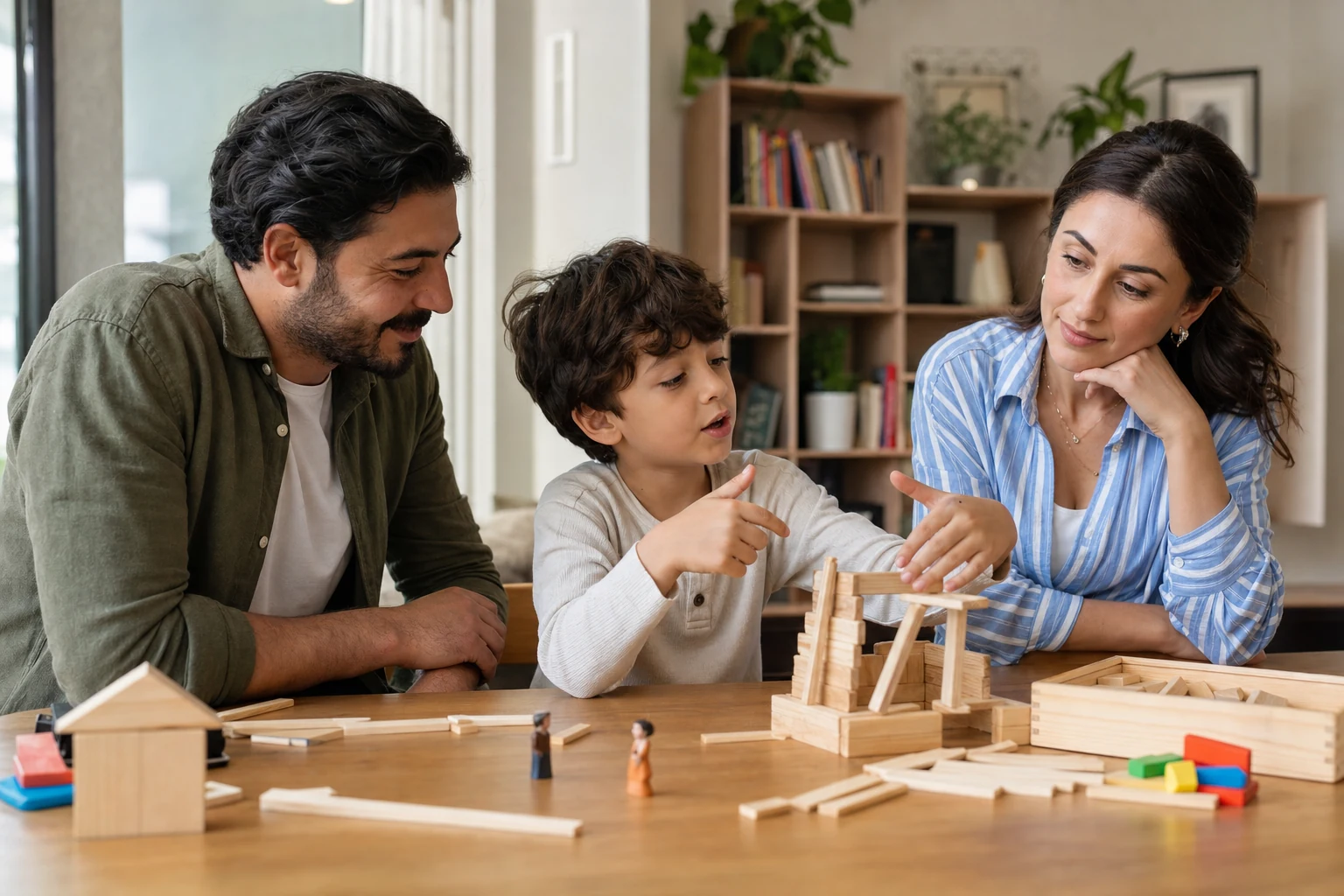
Understand child development as a variable, interconnected process shaped by context, opportunity, and individual differences. Learn how to observe, support, and nurture growth through everyday routines without rigid timelines or comparisons.

When anger, frustration, or intense emotions lead to outbursts, caregivers can respond with calm, clear boundaries that keep everyone safe while teaching emotional skills for life.
Our experts are here for you
Articles include sources and editorial information. Expert approval is shown only when a verified review exists for that version.
 İlyas ÇAĞLAYANCreative Drama and Basic Acting Instructor
 Kübra PAKSpeech and Language Therapist
 Neşe ARSLANChild Development
 Sevil GÖRENEducation Manager
We would like to collect anonymous usage data to improve the site. If you decline, only essential features will run. There is no individual tracking in the children's area.