 lumiya.com.tr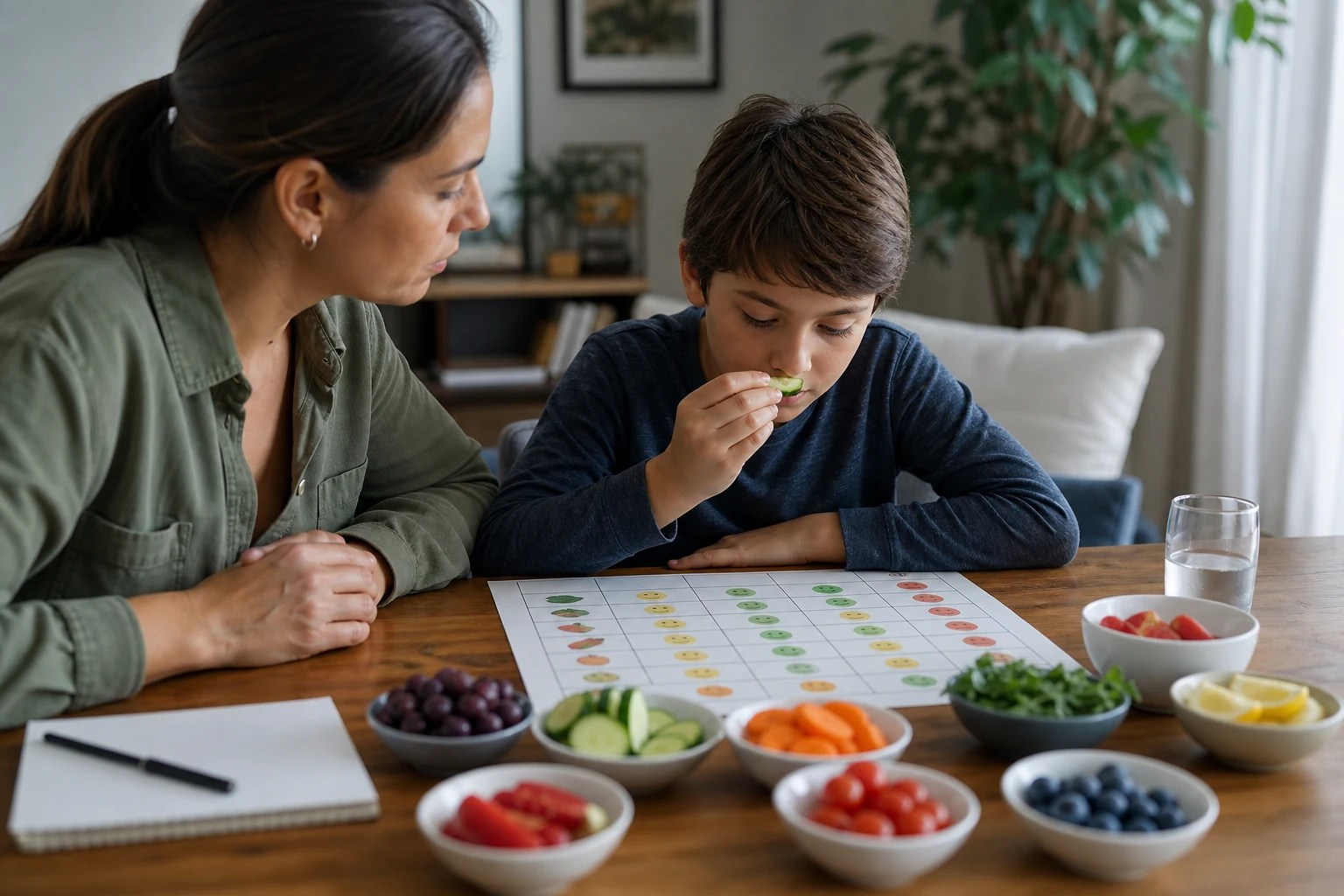
Selective Eating at Age 9: A Parent’s Practical Guide
Learn how to support your 9-year-old’s selective eating without pressure, using responsive-feeding strategies that respect their growing independence and school-day realities.
Selective eating at age 9 often feels different from the toddler years. Your child is older now, with stronger opinions, a busier schedule, and more social interactions around food.
Responsive feeding is a practical approach for this stage. It means you provide safe, familiar foods alongside gentle opportunities to try new things, while your child learns to listen to their own hunger and fullness cues. This method respects their growing independence and helps reduce mealtime tension.
Why selective eating feels different at 9
At this age, children are refining their tastes and preferences. They may have strong opinions about textures, temperatures, or flavors, and they’re more aware of how their choices compare to their peers.
Selective eating isn’t always about nutrition alone. It can be tied to sensory sensitivities, past negative experiences with certain foods, or simply a desire for control. Avoiding labels like "picky" or "problem" helps keep the focus on support rather than judgment.
School lunch realities and peer influence
School lunches often come with unspoken rules. A child might avoid a food because it’s messy, unfamiliar, or because classmates have commented on it. Peer remarks can feel louder than your own guidance, especially when your child is still figuring out their place in the social world.
If your child’s school allows, include a small, safe food in their lunch that they enjoy. This isn’t about hiding their preferences but giving them a reliable anchor.

Children at this age are highly aware of social cues. If they feel judged for their food choices, they may withdraw further. Keep conversations about food light and focused on curiosity rather than criticism.
Planning one small part of the meal
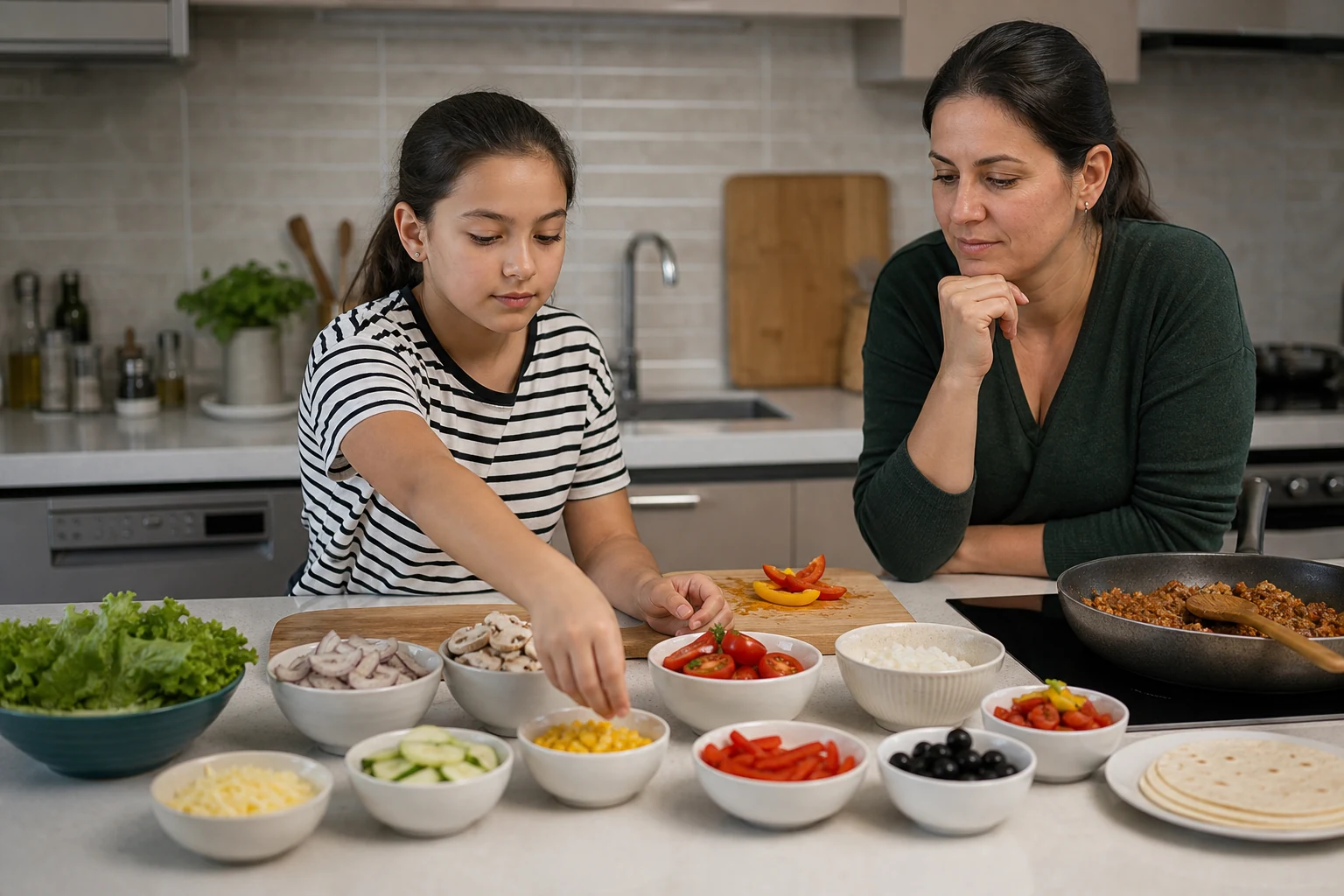
Instead of trying to control the entire meal, focus on one small part your child can help plan or prepare. This could be choosing between two fruit options, helping wash vegetables, or assembling their own wrap. Small tasks give them a sense of control and make food feel less overwhelming.
For busy days, plan a simple after-school snack they can eat right away, like apple slices with peanut butter or a yogurt parfait. This bridges the gap between school and dinner without forcing a large meal.
Pairing new foods with familiar favorites
Pairing isn’t about hiding foods but presenting them in a way that feels manageable. If your child likes plain pasta, try adding a small amount of a new sauce on the side. If they enjoy chicken nuggets, serve them with a side of roasted sweet potato wedges instead of fries.
Use neutral language when describing foods. Instead of saying "This is yummy," try "This is crunchy" or "This is soft." Focus on the sensory experience rather than judgment. If your child refuses, stay calm and try again another time.
Involving your child in low-stakes tasks
Children at this age enjoy feeling capable. Simple kitchen tasks like stirring ingredients, tearing lettuce, or spreading butter can make them more invested in the meal. These activities also help them become more comfortable with different foods and textures. Keep the tasks low-stakes—no pressure to eat, just participation.
You can also involve them in planning meals for the week. Give them two or three options for dinner and let them choose one. This builds their confidence and gives them a sense of control over their food choices.
Keeping one familiar food on the plate
A familiar food acts as a safety net. It doesn’t mean avoiding new foods entirely but ensuring your child always has something they’re comfortable eating. This reduces anxiety and makes it easier for them to try new things when they’re ready.
For example, if your child always eats plain rice, try serving it with a small portion of a new dish on the side. If they like buttered toast, add a thin layer of avocado or cream cheese. The familiar food stays the same, while the new food is introduced gradually.
Budget-friendly strategies
Selective eating doesn’t have to be expensive. Use affordable staples like rice, beans, eggs, and seasonal produce to build meals. Batch-cook familiar foods and freeze portions for busy days. Involve your child in grocery shopping by giving them a small budget to pick one new fruit or vegetable to try.
Cultural staples can also be a cost-effective way to introduce variety. If your family enjoys rice and beans, try adding a new spice or vegetable to the mix. If you regularly cook pasta, experiment with different shapes or sauces. Small changes can feel less intimidating than a completely new meal.
Tracking patterns without judgment
A 10–14 day observation table can help you notice patterns without assigning blame. Record the context of meals, what foods were offered, and your child’s response. Include details like appetite cues, sensory issues, and your own responses.
| Day | Context | Foods Offered | Familiar Option | Contact/Tasting | Appetite Cue | Adult Response | Sensory/Comfort Issue | Next Step |
|---|---|---|---|---|---|---|---|---|
| 1 | Busy after-school day | Turkey sandwich, carrot sticks, apple slices | Turkey sandwich | Tried carrot sticks | Ate half sandwich | Kept familiar option | Texture of carrots | Try roasted carrots next time |
| 2 | Weekend dinner | Spaghetti with marinara, garlic bread, side salad | Garlic bread | Ate garlic bread only | Ate small portion | Added familiar side | Sauce texture | Serve sauce on the side next time |
Use the table to identify trends, like certain textures or times of day that are more challenging. Share your observations with your child in a neutral way, like "I noticed you liked the roasted carrots better than the raw ones.
When to seek extra support
Most selective eating at this age is a normal part of development. However, there are times when extra support can make a difference.

Growth concerns, fear of eating, or immediate danger warrant professional attention. Trust your instincts—if something feels off, it’s better to ask than to wait.
Cultural and shared-care realities
Selective eating doesn’t look the same in every family. Cultural staples, shared custody, and different caregivers can all influence what and how your child eats. Communicate openly with other caregivers about your approach. Consistency across environments helps your child feel more secure and reduces confusion.
If your child spends time in multiple households, create a simple shared plan. For example, agree on one familiar food that’s always available, like fruit or crackers, and one new food to try each week. This keeps expectations realistic and reduces pressure.
Making small, sustainable changes
Focus on one change at a time. If your child refuses a new food, try it again in a different form or context. If they’re overwhelmed by a meal, break it down into smaller parts.
Remember, your goal isn’t to turn your child into an adventurous eater overnight. It’s to create a calm, predictable environment where they can explore food at their own pace. With patience and consistency, selective eating can become less stressful for everyone.
"Health Disclaimer: This content is provided for general informational purposes only and does not constitute personal medical advice, diagnosis, or treatment. Always seek the advice of a qualified health professional with any questions you may have regarding your health or your child's health."
Was this article helpful?
Fast Summary
- Selective eating at 9 is common and often tied to expanding independence and school routines.
- Responsive feeding lets your child guide their appetite while you provide safe, predictable food choices.
- Pair new foods with familiar favorites to reduce pressure and build comfort.
- A 10-day observation table helps track patterns without judgment.
Tools for this Age
Checklist
Popular Topics
This topic at other ages· Nutrition
Frequently Asked Questions
- 1
Show 3 moreCollapse
- 2
- 3
- 4
References & Further Reading
Editorial Note
If your child shows choking, severe allergic symptoms, dehydration, repeated vomiting, persistent pain, unusual lethargy, or daily impairment from a very narrow diet, seek medical advice promptly. Growth concerns, fear of eating, or immediate danger also warrant professional attention.