 lumiya.com.tr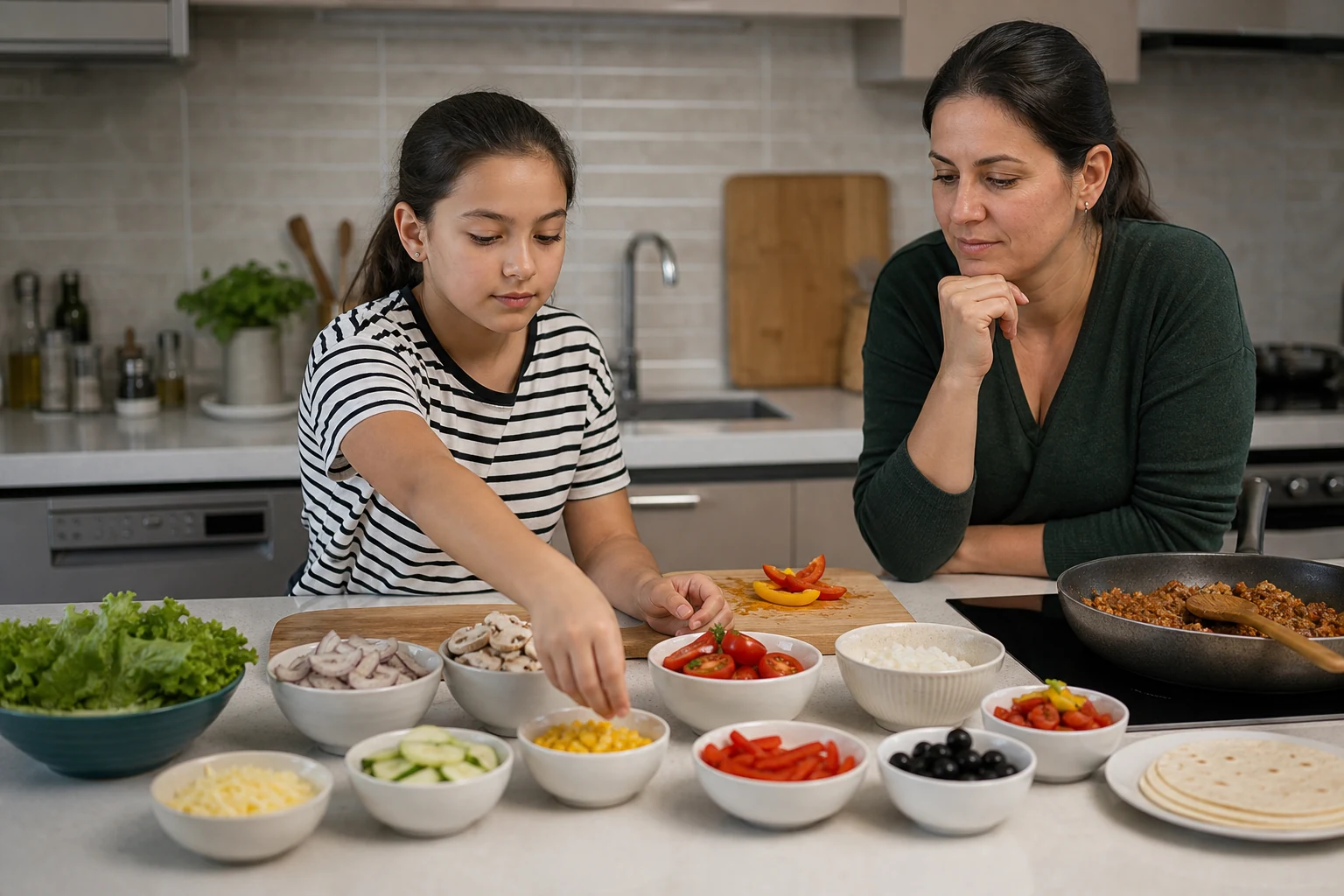
Picky Eating at 9–12 Years: A Practical Guide for Caregivers
Learn how to support selective eaters aged 9–12 with responsive feeding, predictable meals, and low-pressure strategies that respect growing autonomy and family routines.
Why selective eating looks different at 9–12 years
Between ages 9 and 12, children are building their own preferences while also testing boundaries and routines. What looks like picky eating can actually be a normal part of growing independence, not defiance or bad behavior.
It’s also a time when school, sports, and social activities add new layers to eating routines. A child who eats well at home might struggle with cafeteria meals or packed lunches, especially if the environment feels unfamiliar or overwhelming.

Children this age are still learning to notice their own hunger and fullness cues, and their appetites can vary widely from day to day.
Rather than seeing selective eating as a problem to fix, caregivers can focus on creating predictable meal opportunities and a reasonable range of foods. This approach supports healthy growth without turning mealtime into a power struggle.
Build structure without pressure
Responsive feeding means offering regular meals and snacks at predictable times while letting your child decide how much to eat. For 9–12-year-olds, this often looks like three main meals and two to three snacks spaced about two to three hours apart.
At dinner, include at least one food you know your child likes, even if it’s just bread or a favorite fruit. Add one or two other foods to the plate—small portions are fine—and let them choose what to try.

Mealtime is not the time to negotiate or bargain. Keep the focus on offering variety, not on finishing plates.
This approach respects their growing autonomy while still providing structure. Over time, repeated low-pressure exposure to new foods can help expand their comfort zone without pressure.
School meals and lunchboxes
School cafeterias and packed lunches present unique challenges. Cafeteria meals may include foods your child hasn’t tried before, and the environment can feel chaotic.
For lunchboxes, include one reliable favorite and one small new or less-familiar item. Keep portions small to avoid waste and reduce pressure. For example, pack a turkey roll-up they like, a few baby carrots, and a small container of hummus to try.
After-school activities can also disrupt eating routines. If your child has practice right after school, offer a small snack like apple slices with peanut butter or cheese and crackers on the way. Save the main meal for when they’re home and ready to sit down.
Sensory, familiarity, and small steps
Not all selective eating is about preference. Some kids avoid certain foods because of texture, smell, or appearance—sensory factors that feel uncomfortable to them. Others may be hesitant because a food is unfamiliar or they’ve had a bad experience with it before.
Start by identifying what feels safe for your child. If they like crunchy foods, offer raw veggies with dip. If they prefer soft textures, try steamed or roasted versions. Keep one familiar component on the plate, and make small changes over time.
Avoid overwhelming them with too many changes at once. Change one variable at a time and give them space to adjust.
Modeling neutral language also helps. Instead of saying “This is delicious,” try “This is roasted broccoli. It’s a little crispy on the outside and soft inside.” This keeps the focus on the food’s characteristics without implying judgment.
Involve them in the process
Kids this age are capable of more than many caregivers realize. Involving them in meal planning, grocery shopping, or simple meal prep can build confidence and curiosity about food. Let them pick one new item to try at the store or help wash vegetables before dinner.
Shared meals also matter. Eating together as a family, even if it’s just a few times a week, gives kids a chance to see others enjoying a variety of foods. Keep the atmosphere light and avoid turning the table into a classroom about nutrition.
When to seek support
Most selective eating in 9–12-year-olds is temporary and doesn’t require professional help. However, there are times when it’s important to reach out to a healthcare provider or pediatric dietitian.
Other red flags include severe allergic symptoms, repeated vomiting, persistent pain, swallowing difficulty, unusual lethargy, or fear of eating. These signs may indicate an underlying issue that needs evaluation.
Track progress with a simple log
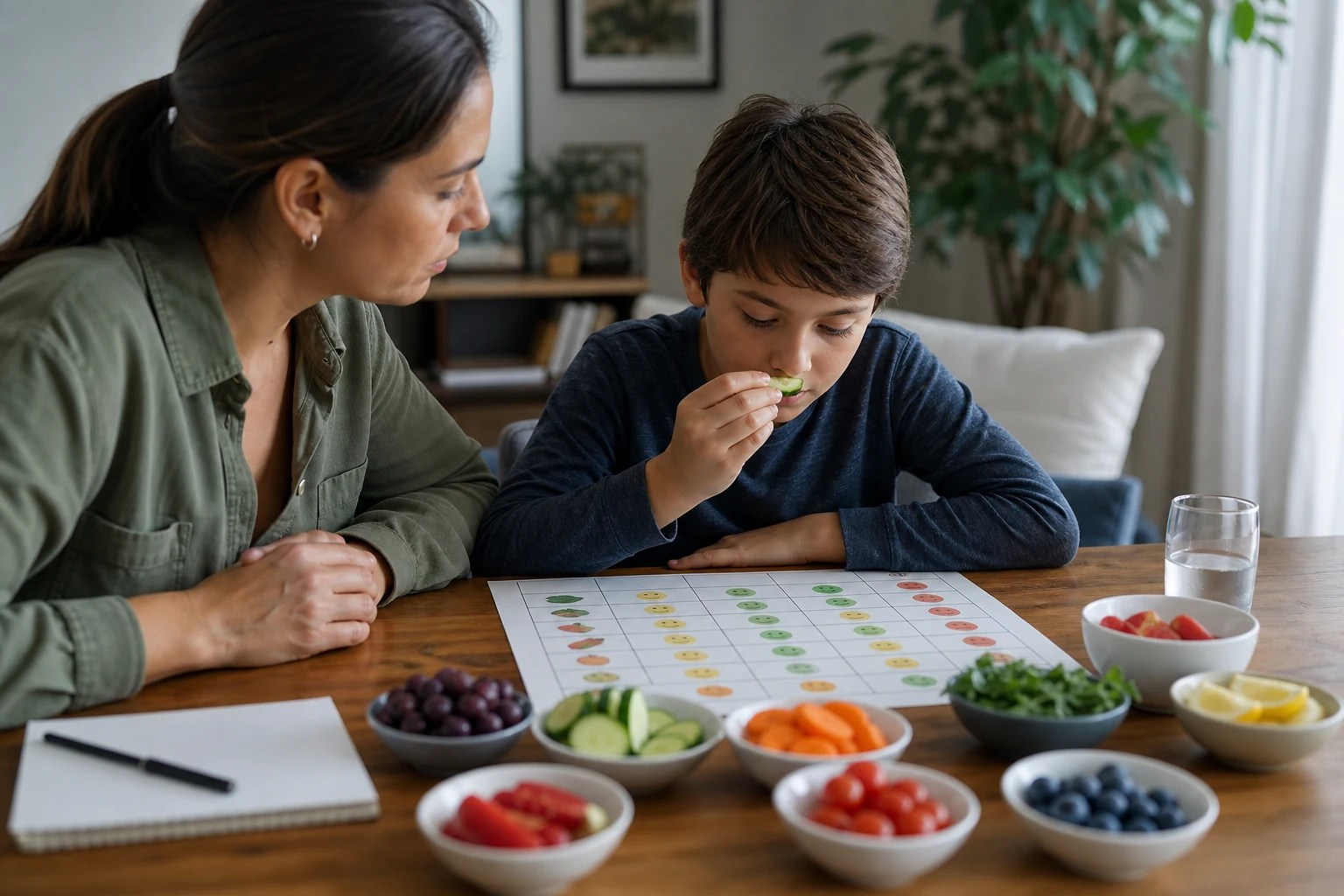
Use this table to observe patterns over 10–14 days. Note the context, foods offered, and your child’s response without judgment. Look for small wins, like touching a new food or trying a bite, rather than focusing on full acceptance.
| Day | Context | Foods Offered | Familiar Option | Contact/Tasting | Hunger/Fullness | Adult Response | Comfort/Sensory Issue | Next Step |
|---|---|---|---|---|---|---|---|---|
| 1 | Dinner after soccer practice | Grilled chicken, roasted sweet potato, steamed green beans | Chicken | Touched sweet potato | Ate half chicken, left rest | “Sweet potato is soft and sweet” | Liked texture of chicken, unsure about sweet potato | Offer sweet potato again in smaller pieces |
| 2 | School lunch | Turkey roll-up, baby carrots, hummus | Turkey roll-up | Ate turkey, ignored hummus | Full after lunch | No pressure | Hummus texture unfamiliar | Pack hummus again in small container |
This log helps you spot trends and adjust strategies without pressure. Celebrate small steps and keep meals predictable and calm.
Shared households and cultural foods
In shared custody or blended families, consistency can be challenging. Work with the other household to keep at least one familiar food available across both homes. If cultural staples are part of your routine, include them regularly—they provide comfort and connection.
Food is more than nutrients; it’s part of identity and family traditions. Honor that while gently expanding variety.
If your child resists foods tied to a cultural tradition, introduce them in a low-pressure way. For example, if they love pasta but resist rice, try serving rice in a different form, like rice noodles or a rice-based side dish.
Cost and practical tips
Feeding a family on a budget while offering variety is possible with a few strategies. Plan meals around affordable staples like beans, lentils, eggs, and seasonal produce. Buy frozen or canned vegetables when fresh isn’t available—they’re just as nutritious and often cheaper.
Involve your child in budget-friendly meal prep, like washing veggies or assembling wraps. This teaches life skills and makes them more likely to try the foods they helped prepare.
Keep the big picture in mind
Selective eating at 9–12 years is rarely a sign of a long-term problem. With patience, structure, and low-pressure exposure, most kids gradually expand their preferences. The goal isn’t to force acceptance but to create a positive relationship with food.
Trust your child’s appetite and respect their pace. Mealtime should be a time of connection, not conflict.
If you’re ever unsure, a pediatric dietitian can offer personalized strategies without judgment. They can help you distinguish between typical selective eating and patterns that may need extra support.
"Health Disclaimer: This content is provided for general informational purposes only and does not constitute personal medical advice, diagnosis, or treatment. Always seek the advice of a qualified health professional with any questions you may have regarding your health or your child's health."
Was this article helpful?
Fast Summary
- Selective eating in 9–12-year-olds is usually a phase, not defiance or a diagnosis.
- Responsive feeding balances structure with autonomy to build lifelong healthy habits.
- Predictable meals, school lunch planning, and low-pressure exposure help expand variety over time.
- Know when to seek professional support for persistent or distressing patterns.
Tools for this Age
Checklist
Popular Topics
This topic at other ages· Nutrition
Frequently Asked Questions
- 1
Show 3 moreCollapse
- 2
- 3
- 4
References & Further Reading
Editorial Note
Selective eating can be part of normal development, but if you notice persistent distress, unusual lethargy, severe allergic symptoms, repeated vomiting, persistent pain, swallowing difficulty, a very narrow pattern with daily impairment, or concerns about growth, contact your child’s healthcare provider or a pediatric dietitian promptly.