 lumiya.com.tr
Picky Eating at Ages 4–5: A Parent’s Gentle Guide
Learn how to support your preschooler’s changing appetite without pressure. Discover responsive-feeding strategies, safe food exploration, and when to seek help.
Why selective eating happens at ages 4–5
Around ages 4–5, many children become more aware of textures, flavors, and routines. This growing independence can show up at mealtimes as selective eating—choosing only certain foods or rejecting foods they once liked. It’s rarely stubbornness; it’s often a normal part of development. Preschoolers are also learning to assert control in small ways, and food is an easy place to practice.
At this age, children’s appetites can shift daily. A hearty breakfast one morning might be followed by a quiet lunch the next. Their stomachs are still small, so they may eat less at meals but need nutritious snacks to bridge the gaps. Fatigue, illness, or transitions—like starting kindergarten—can also temporarily change their eating habits.

Children explore the world through their senses. A food’s smell, temperature, or texture can feel overwhelming even if it’s familiar to adults. Stay patient and avoid labeling foods as "good" or "bad."
Responsive feeding is the foundation of supporting selective eaters. This means you arrange safe, predictable meal and snack times with foods your child can eat without pressure. Your role is to offer variety and structure; your child’s role is to decide whether and how much to eat. This balance respects their growing autonomy while ensuring they get the nutrition they need.
Build calm routines around meals and snacks
Predictability helps preschoolers feel secure. Aim for three meals and two to three snacks spaced about two to three hours apart. This schedule prevents extreme hunger or fullness, which can make selective eating worse. Keep mealtimes calm and social; avoid turning the table into a battleground over food.
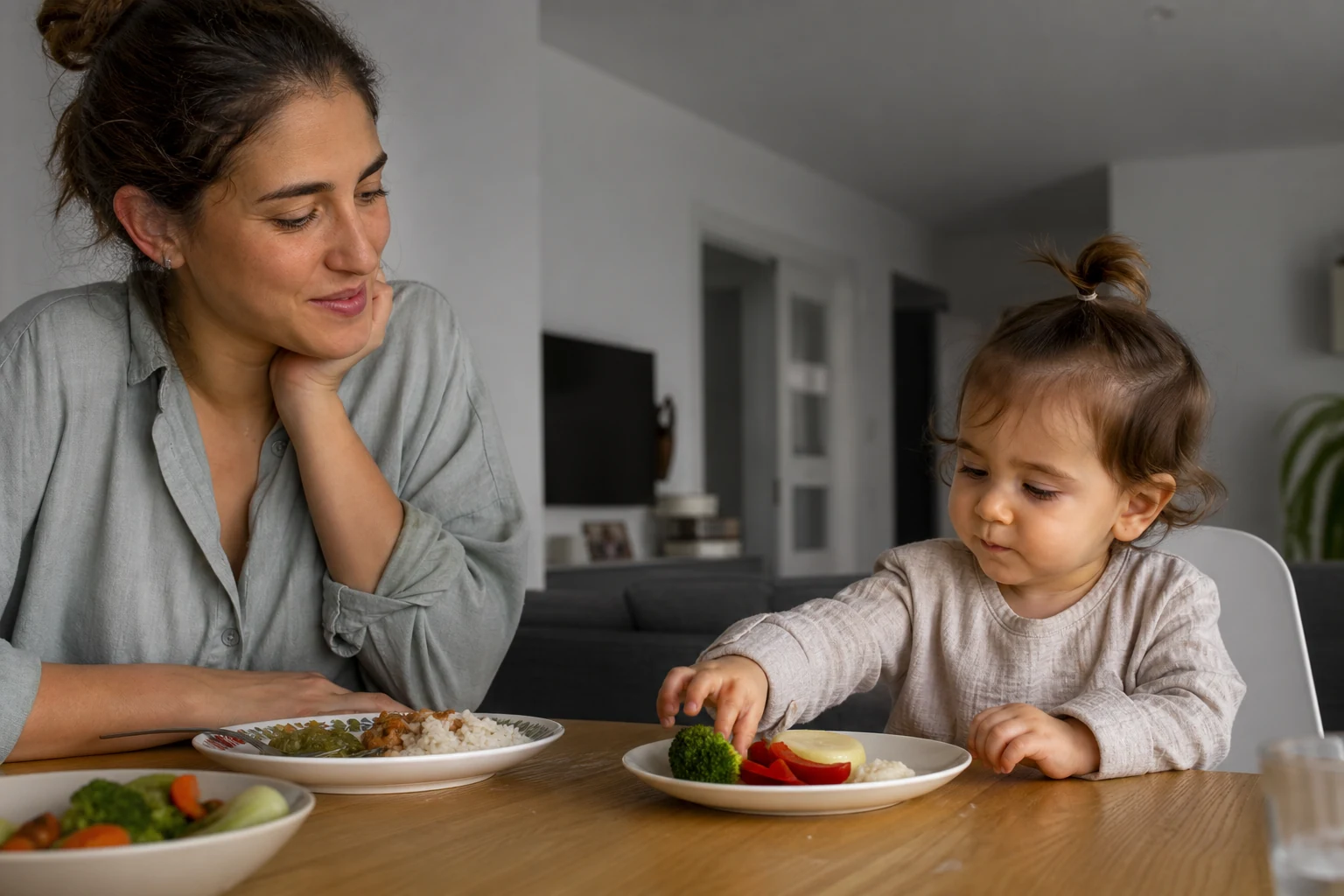
Offer at least one familiar, safe food at every meal or snack. This could be a favorite fruit, a whole-grain cracker, or a simple starch like rice or pasta. Pair it with one or two new or less-familiar foods. For example, serve apple slices alongside a small portion of roasted sweet potato cubes.

If your child refuses the new food, stay neutral. Simply note it and try again another day. Pressure—even gentle urging—can backfire and make food feel like a power struggle.
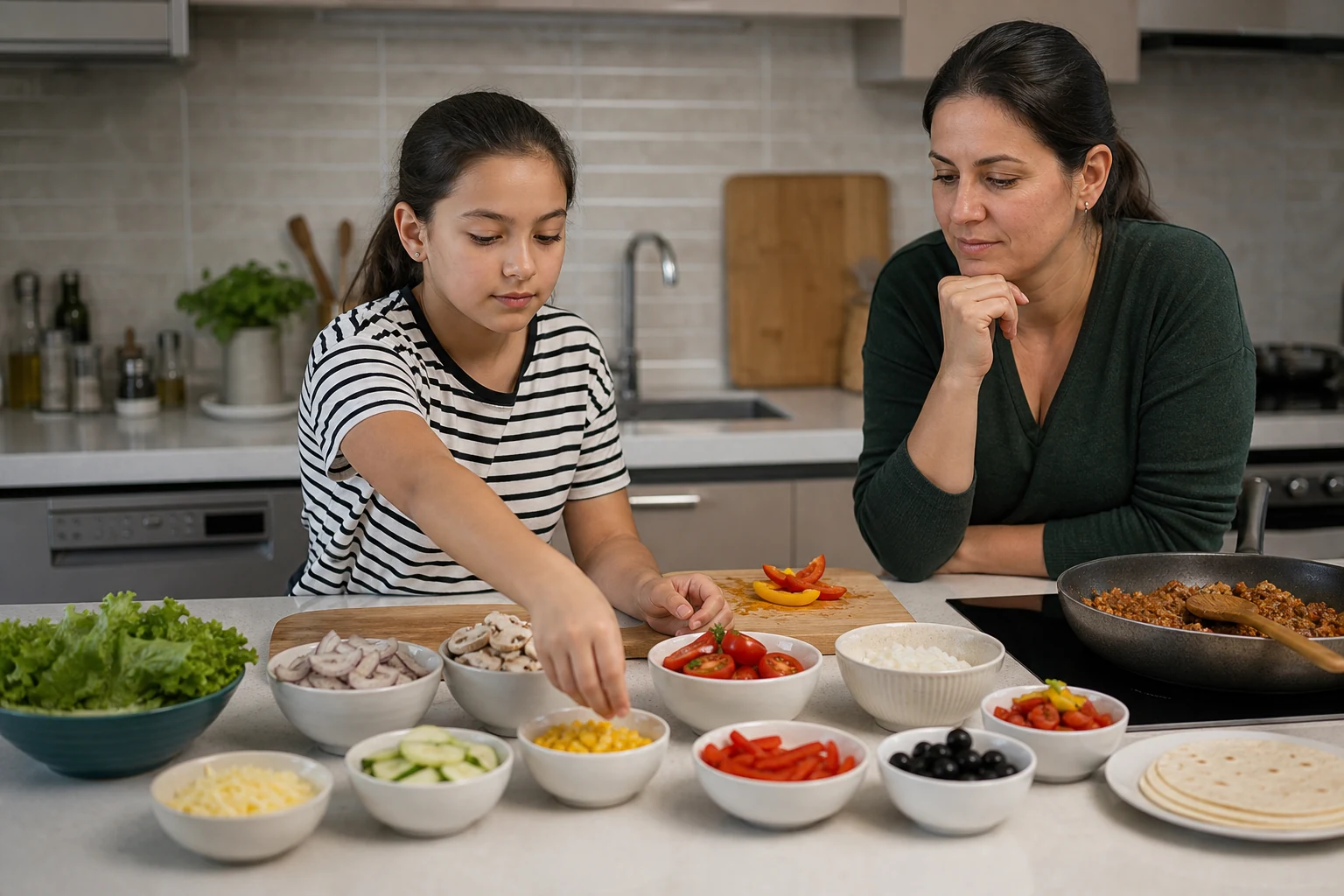
Involve your child in small, safe kitchen tasks. Washing vegetables, tearing lettuce, or stirring batter gives them a sense of contribution without forcing them to eat. These activities also build comfort with foods in a low-pressure way. Keep tasks age-appropriate and supervised to ensure safety.
Sample daily structure for ages 4–5
| Time | Meal/Snack | Example foods |
|---|---|---|
| 7:30 AM | Breakfast | Whole-grain toast with peanut butter, banana slices, milk |
| 10:00 AM | Snack | Yogurt with a few blueberries, whole-grain crackers |
| 12:30 PM | Lunch | Turkey and cheese roll-ups, steamed carrot coins, whole-wheat pita |
| 3:00 PM | Snack | Sliced cucumber, hummus, whole-grain pretzels |
| 6:00 PM | Dinner | Baked chicken drumstick, mashed potatoes, steamed broccoli florets |
This structure isn’t prescriptive—adjust based on your child’s hunger and your family’s schedule. The goal is consistency, not perfection.
Small, low-pressure ways to explore new foods
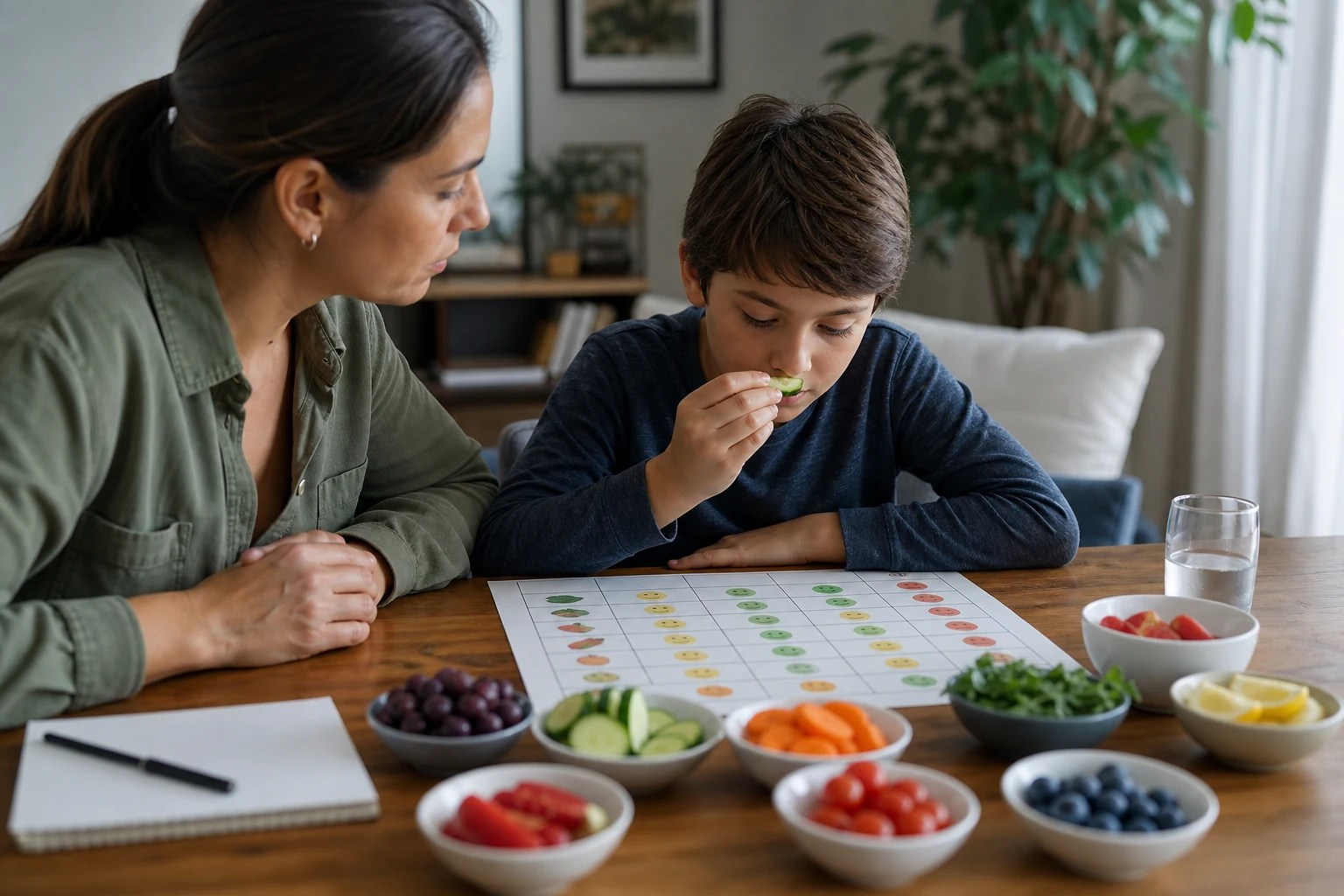
Instead of asking your child to take a bite, invite them to touch, smell, or kiss the food. These tiny interactions build familiarity without expectations. For example, place a single pea on their plate and say, "This is a green pea.
Model curiosity yourself. Sit with your child and describe the food’s color, shape, or texture. "This roasted zucchini is soft inside and a little crispy outside. I wonder what it tastes like?" Your calm tone reassures your child that trying new foods is safe.
Avoid phrases like "Just one bite" or "You’ll like it." These can feel like demands in disguise. Instead, keep the language open-ended: "I’m trying this new soup. Want to smell it with me?"
Change one variable at a time when introducing new foods. If your child likes apples but refuses applesauce, try offering diced apples instead of sauce. Small tweaks help them connect familiar foods to new forms. If a food is rejected, wait a few days before trying again. Repeated exposure without pressure often leads to gradual acceptance.
Texture matters: Keep it safe and manageable
Preschoolers are still refining their chewing and swallowing skills. Offer foods in sizes and textures that are easy to manage. For example:
- Soft-cooked vegetables like carrots or green beans, cut into thin matchsticks
- Ripe fruits like bananas or peaches, sliced into small pieces
- Whole-grain breads or crackers that dissolve easily
- Meats shredded or cut into tiny, bite-sized pieces
Avoid hard, round, or sticky foods that pose a choking risk, such as whole grapes, nuts, or globs of peanut butter. Always supervise meals and snacks, and teach your child to sit while eating.
What to do when illness or fatigue strikes
Illness, teething, or fatigue can temporarily narrow a child’s food choices. During these times, focus on hydration and comfort. Offer familiar foods they tolerate, even if the menu is limited for a day or two. Small sips of water, broth, or diluted juice can help if they’re not eating much.
If your child is recovering from an illness, reintroduce foods gradually. Start with bland, easy-to-digest options like plain rice, toast, or applesauce. Avoid pressuring them to "catch up" on missed meals. Their appetite will return as they feel better.
Never force a child to eat when they’re unwell. Trust their body to signal hunger when they’re ready.
Transitions—like starting kindergarten or moving to a new home—can also disrupt eating habits. During these times, prioritize routine and reassurance. Pack a familiar snack or lunchbox item to ease the change.
When to seek extra support
Most selective eating at ages 4–5 is temporary and doesn’t require intervention. However, some signs suggest it’s time to ask for help:
- Rapid weight loss or poor weight gain over several months
- Distress or fear around mealtimes, such as crying or gagging
- A diet so narrow it causes daily impairment or nutritional gaps
- Signs of illness like dehydration, repeated vomiting, or persistent pain
If you notice any of these, talk to your pediatrician. They can assess growth patterns, rule out medical issues, and refer you to a feeding specialist if needed. Early support can prevent small challenges from becoming bigger ones.
Trust the process
Selective eating is often a phase, not a permanent challenge. By offering safe, predictable meals and snacks, modeling calm curiosity, and avoiding pressure, you create an environment where your child can explore food at their own pace. Celebrate small wins—whether it’s a sniff of a new food or a lick of a sauce—without expecting immediate acceptance.
Growth and development aren’t linear. Some days your child will eat more, other days less. Stay patient and keep offering variety without making food a source of stress.
Remember, your role is to provide opportunities; your child’s role is to decide. This partnership respects their growing independence while ensuring they get the nutrition they need to thrive.
"Health Disclaimer: This content is provided for general informational purposes only and does not constitute personal medical advice, diagnosis, or treatment. Always seek the advice of a qualified health professional with any questions you may have regarding your health or your child's health."
Was this article helpful?
Fast Summary
- Selective eating at ages 4–5 is common and rarely a sign of trouble.
- Responsive feeding means offering safe, familiar foods alongside small chances to explore new ones.
- Model calm curiosity about food; avoid pressure or rewards.
- Watch for red flags like distress or rapid weight changes; ask your pediatrician if concerned.
Tools for this Age
Checklist
Popular Topics
This topic at other ages· Nutrition
Frequently Asked Questions
- 1
Show 3 moreCollapse
- 2
- 3
- 4
References & Further Reading
Editorial Note
Selective eating can be part of normal development, but sudden refusal, distress, or signs of illness require prompt attention. If your child shows choking, breathing difficulty, severe allergic symptoms, dehydration, repeated vomiting, persistent pain, unusual lethargy, a very narrow diet with distress, or professional concern about growth, contact your local child-health provider or emergency services based on…