 lumiya.com.tr
Picky Eating in 3-6 Year Olds: A Parent’s Practical Guide
Learn how to support picky eaters ages 3–6 without pressure or stress. Discover practical strategies for balanced meals, repeated exposure, and when to seek help.
Understanding Picky Eating in 3–6 Year Olds
Picky eating during the preschool and early school years is common and often temporary. Many children in this age group develop strong preferences and aversions, which can shift as quickly as their moods.

Picky eating can be part of typical development, but persistent challenges—such as choking, pain, vomiting, dehydration, or nutritional concerns—warrant timely evaluation by a pediatrician or registered dietitian.
Research shows that selective eating in early childhood often reflects a combination of developmental stages, sensory sensitivities, and growing independence. Children this age are learning to assert control over.
It’s important to distinguish between ordinary preferences and patterns that may signal a deeper issue. For example, a child who occasionally refuses broccoli is different from one who consistently gags, coughs, or experiences pain during meals.
What’s Normal and What’s Not
Most children ages 3–6 go through phases of picky eating. During these periods, they may reject foods they once enjoyed or insist on eating only a handful of items.
- Physical symptoms: Choking, coughing, gagging, or vomiting during meals
- Growth concerns: Slowed weight gain, failure to meet growth milestones, or consistent low energy
- Nutritional gaps: Limited intake of entire food groups for weeks or months
If any of these signs appear, a healthcare provider can help assess whether the issue is developmental, sensory, or related to an underlying condition. Early support can prevent small challenges from becoming long-term habits.
Your Role vs. Your Child’s Role at Mealtime
One of the most effective strategies for supporting picky eaters is to clarify the division of responsibility at meals. This approach, rooted in evidence-based feeding practices, empowers both parents and children while reducing mealtime stress.
What You Control: The What, When, and Where
As the caregiver, your job is to decide what foods are offered, when meals and snacks occur, and where eating happens. This structure provides predictability and security.
For example, you might plan to serve breakfast at 7:30 AM, a morning snack at 10:00 AM, lunch at 12:30 PM, an afternoon snack at 3:00 PM, and dinner at 6:00 PM.
The foods you choose should include a variety of textures, colors, and nutrients. While it’s tempting to cater exclusively to your child’s current favorites, offering a mix of familiar and new options supports gradual acceptance.
What Your Child Controls: The Whether and How Much
Once the meal is served, your child decides whether to eat and how much to consume. This autonomy respects their growing independence while teaching them to listen to their hunger and fullness cues.

Let your child decide how much to eat; avoid pressure, bargaining, or hiding foods.
Instead of saying, “Just try one bite,” try offering choices within limits. For example, “Would you like the carrots or the cucumbers with your sandwich today?” This approach gives your.
Building a Picky-Eater-Friendly Meal Plan
Creating meals for a picky eater doesn’t have to be complicated. The key is to balance structure with flexibility, ensuring your child gets the nutrients they need while respecting their preferences.
Sample Meal and Snack Ideas
| Meal | Example Options | Tips |
|---|---|---|
| Breakfast | Whole-grain toast with peanut butter, banana slices, and a glass of milk | Offer a fruit or vegetable alongside familiar foods to increase variety. |
| Morning Snack | Yogurt with a small handful of berries and a few whole-grain crackers | Choose unsweetened yogurt to reduce added sugar. |
| Lunch | Turkey and cheese roll-ups, steamed carrot sticks, and whole-grain pita | Include a dip like hummus or ranch to make vegetables more appealing. |
| Afternoon Snack | Apple slices with cheese cubes and a few whole-grain pretzels | Pair sweet and savory options to balance flavors. |
| Dinner | Baked chicken tenders, mashed sweet potatoes, and steamed green beans | Serve foods separately to avoid mixing textures if your child prefers it. |
Keep Portions Small and Manageable
Large portions can overwhelm picky eaters, making them less likely to try anything new. Start with small servings—about a tablespoon per year of age—and let your child ask for more.
Involve Your Child in the Process
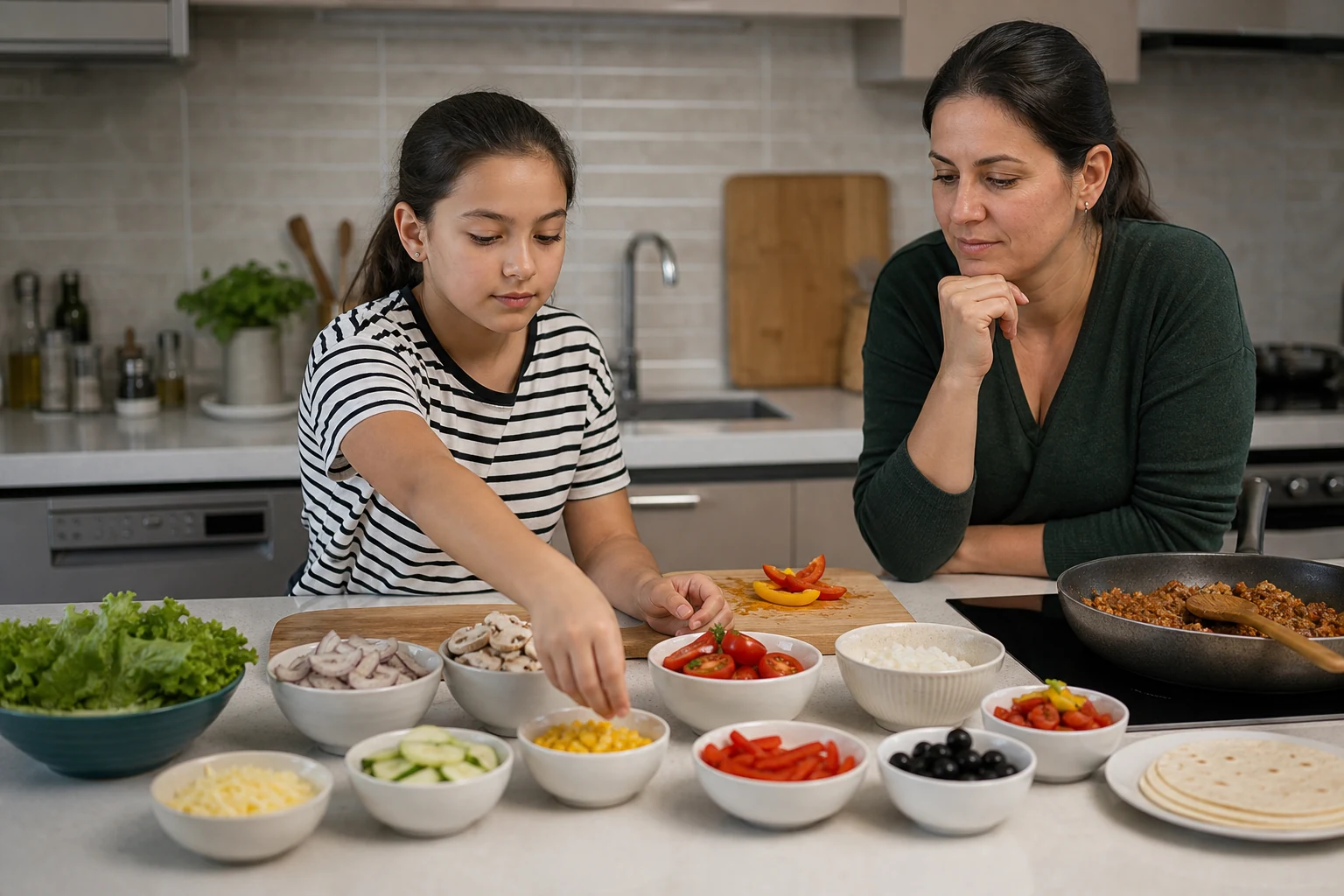
Children are more likely to try foods they’ve helped prepare. Simple tasks like washing vegetables, stirring ingredients, or setting the table can build excitement and curiosity.
Strategies That Work (and Those to Avoid)
Not all strategies for picky eaters are equally effective. Some approaches can inadvertently create more resistance or stress, while others build trust and confidence over time.
Do Try These
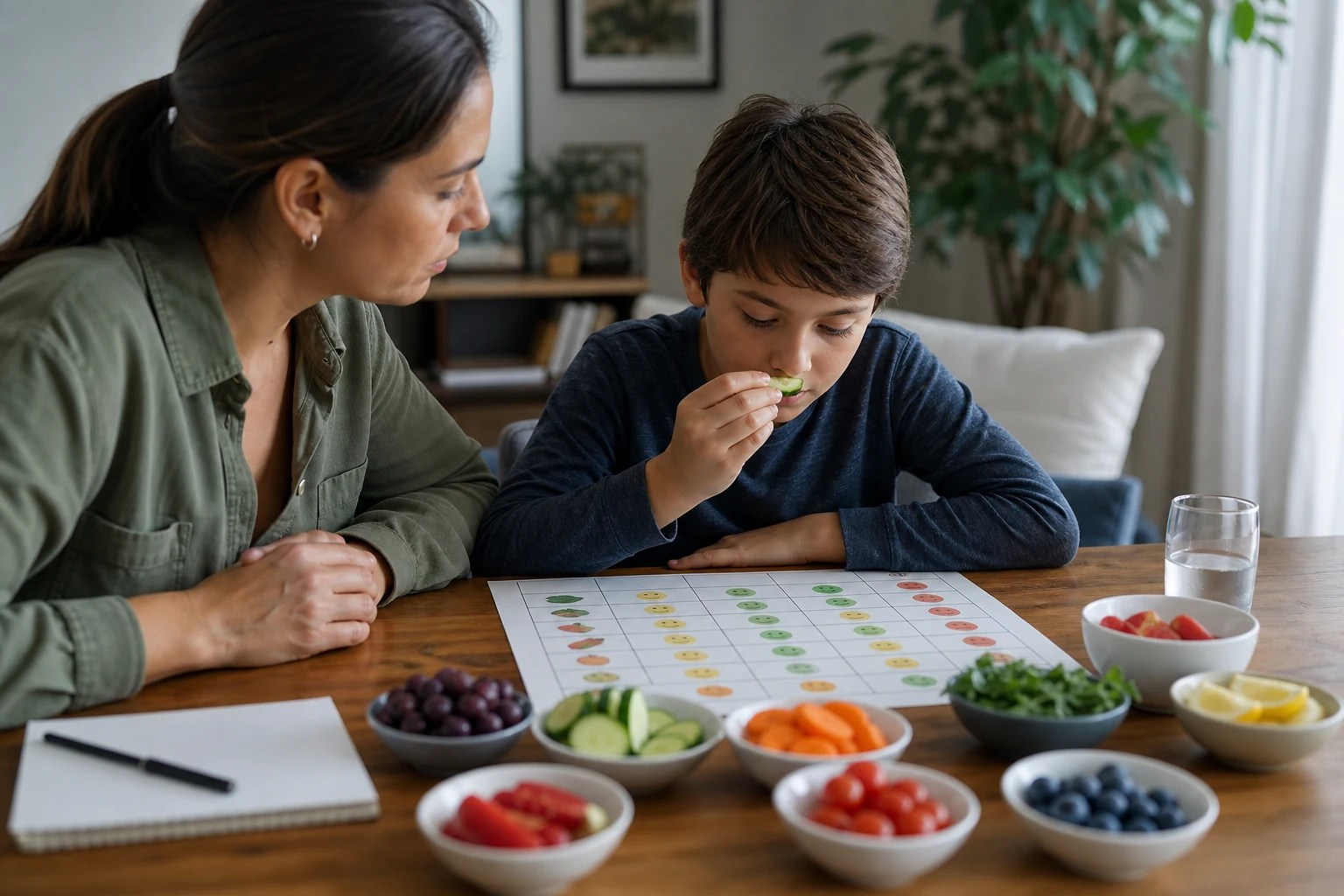
- Repeated exposure: Offer new or less-preferred foods regularly without pressure. Research suggests children may need 15 or more exposures before acceptance.
Avoid These
- Force-feeding or pressure: Forcing a child to eat can lead to negative associations and increased resistance.
- Bargaining or rewards: Promising dessert for finishing vegetables can make the “reward” food more desirable and the “healthy” food less appealing.
When to Seek Help
While picky eating is often a phase, some patterns warrant professional attention. Trust your instincts if your child’s eating habits cause concern about their health, growth, or well-being.
Red Flags to Watch For
- Physical symptoms: Frequent choking, gagging, coughing, or vomiting during meals
- Growth or energy concerns: Slow weight gain, fatigue, or failure to meet developmental milestones
If you notice any of these signs, schedule a visit with your pediatrician. They can assess your child’s growth, diet, and overall health to determine if additional support is needed.
Supporting Children with Additional Needs
Every child is unique, and some may face extra challenges with eating due to sensory sensitivities, oral-motor differences, or neurodiversity. If your child has a diagnosed condition or developmental delay.
Creating a Calm, Positive Mealtime Environment
Mealtimes should be enjoyable for the whole family. When pressure and stress are removed, children are more likely to explore foods willingly and develop a healthier relationship with eating.
Set the Stage for Success
- Keep routines predictable: Serve meals and snacks at consistent times to regulate appetite.
- Minimize distractions: Turn off screens and avoid toys at the table to help your child focus on eating.
Handle Rejection Gracefully
It’s natural for your child to refuse foods, especially new ones. Instead of reacting emotionally, stay calm and neutral. You might say, “That’s okay. You can try it another time,” and move on.
Avoid pressure, bargaining, or hiding foods.
Celebrate Small Wins
Progress with picky eaters isn’t always linear. Celebrate small victories, like your child touching a new food or taking a tiny bite, without expecting immediate acceptance. Each positive interaction with food builds confidence and curiosity.
Local Resources and Support
Parenting a picky eater can feel isolating, but you’re not alone. Many communities offer resources to support families navigating selective eating.
If you’re unsure where to start, your child’s school or daycare may have recommendations for feeding specialists or nutrition programs. Libraries and community centers often host workshops on child nutrition and mealtime strategies.
"Health Disclaimer: This content is provided for general informational purposes only and does not constitute personal medical advice, diagnosis, or treatment. Always seek the advice of a qualified health professional with any questions you may have regarding your health or your child's health."
Was this article helpful?
Fast Summary
- Picky eating in 3–6 year olds is often normal and temporary, but consistent patterns may need attention.
- Offer predictable meals and snacks with at least one familiar food alongside new options.
- Let your child decide how much to eat; avoid pressure, bargaining, or hiding foods.
- Watch for signs like choking, pain, or weight concerns—these may require professional support.
Tools for this Age
Checklist
Popular Topics
This topic at other ages· Nutrition
Frequently Asked Questions
- 1
Show 3 moreCollapse
- 2
- 3
- 4
References & Further Reading
Editorial Note
Picky eating can be part of typical development, but persistent challenges—such as choking, pain, vomiting, dehydration, or nutritional concerns—warrant timely evaluation by a pediatrician or registered dietitian. If your child shows severe allergic symptoms or breathing difficulty during meals, seek emergency care immediately.