 lumiya.com.tr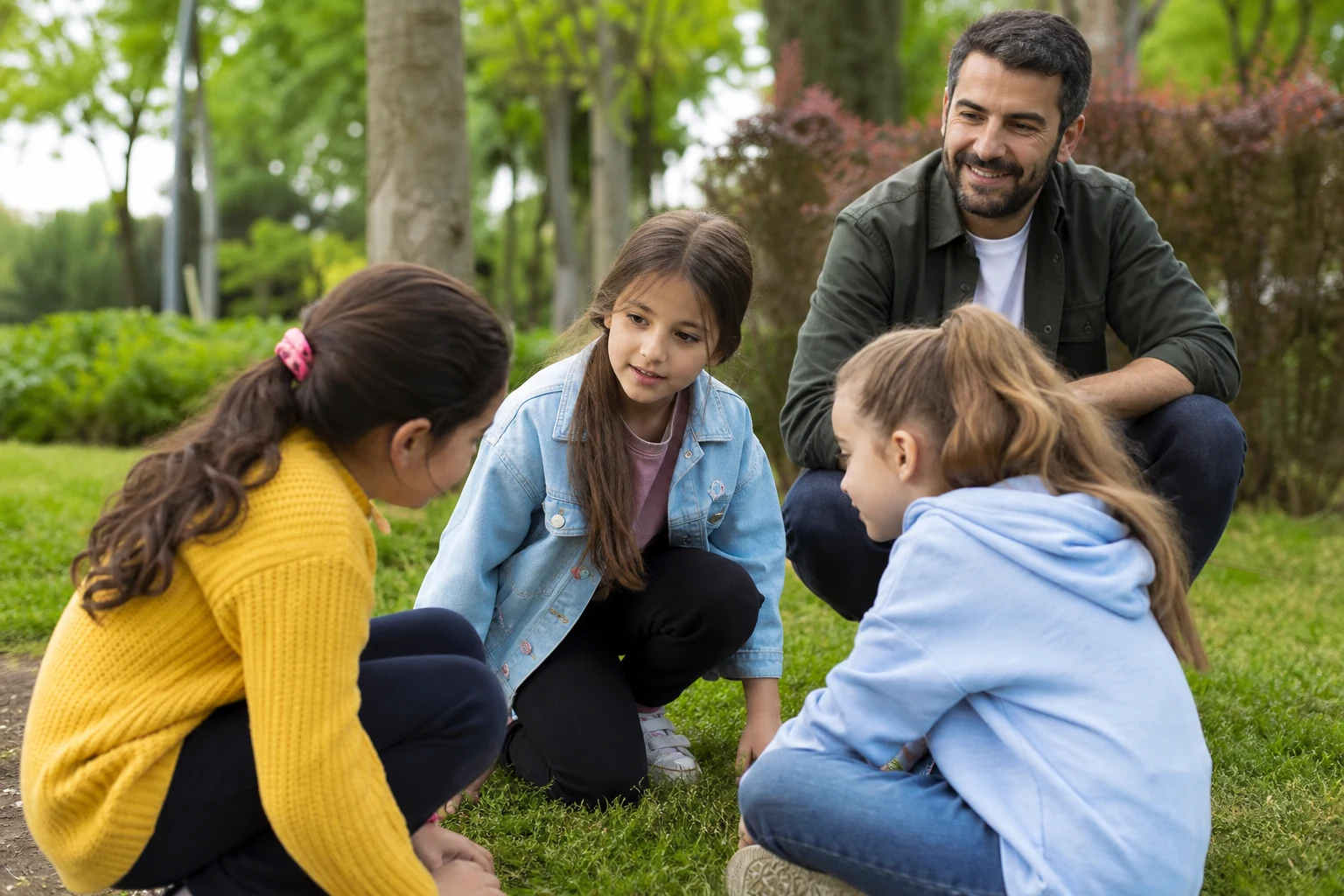
6–9 Years: Friendship & Leadership Skills for Kids
Help your 6–9-year-old build leadership through everyday play and teamwork. Discover simple, respectful ways to guide them without taking over, while keeping peer conflicts safe and constructive.
What leadership looks like in 6–9-year-olds
Between ages 6 and 9, children are learning how to work with others in new ways. Leadership isn’t about being the loudest voice in the room or always taking charge. Instead, it’s about using small, everyday skills that help a group move forward together. These skills include listening carefully, explaining a shared goal, inviting quieter peers to join in, taking turns, matching tasks to people’s strengths, asking before making decisions for others, accepting disagreement without pressure, noticing the impact of a choice, sharing credit, and repairing harm when things go wrong.

Leadership in young kids often looks like listening, sharing ideas, and inviting others in—not just being loud or in charge.
Children develop these abilities at different speeds. Some may naturally take charge, while others shine by organizing, helping, modeling good behavior, creating, or asking a thoughtful question. Respecting each child’s temperament, culture, and neurodiversity matters more than pushing them into a single idea of what a leader should be. The goal is to help kids see leadership as a flexible set of prosocial skills they can use in many situations, not a fixed role they must perform.
Everyday practices to build leadership at home
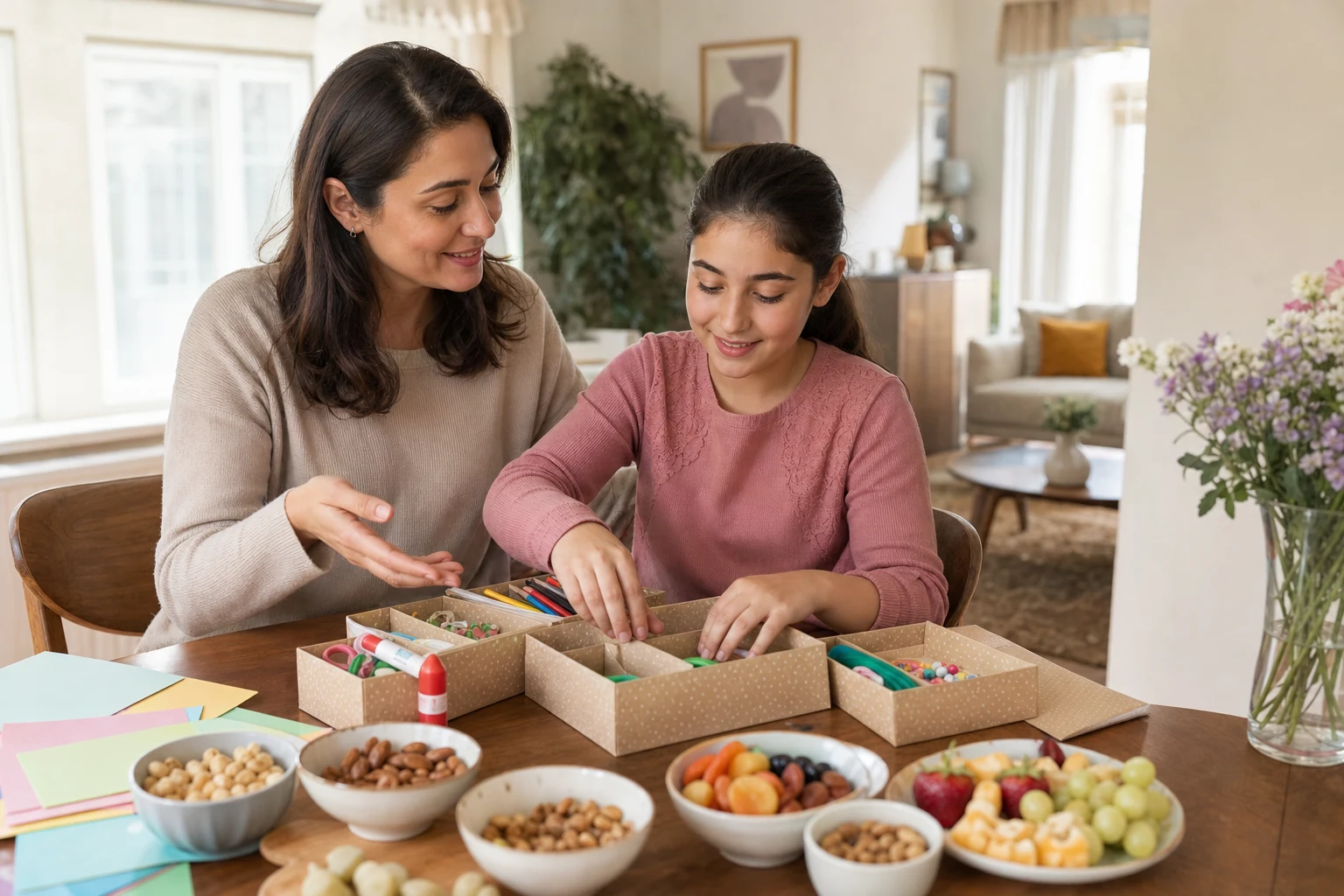
The best way to nurture leadership is through small, real-life tasks that require teamwork. These moments let children practice skills without pressure. Try activities like planning a family game night, dividing household chores, or choosing roles in a home project. Afterward, reflect together on what helped the group work well and who contributed in different ways.
A practical table can help families rotate leadership naturally:
| Activity | Leadership Skill | How to Rotate | Reflection Question |
|---|---|---|---|
| Planning a weekend outing | Explaining a shared goal, inviting ideas | Each family member takes a turn choosing the activity | What made it easier to plan together? |
| Setting the dinner table | Taking turns, matching tasks to strengths | Assign roles by interest or skill | Who noticed something others missed? |
| Organizing a toy cleanup | Noticing impact, sharing credit | Rotate who decides the order of tasks | How did teamwork make the job faster? |
These small steps build confidence and show children that leadership isn’t about control—it’s about helping the group succeed. Adults can provide boundaries and safety without taking over every peer problem, giving kids space to try and learn.
Feedback that encourages growth without labels
How adults talk about leadership matters. Instead of calling a child "bossy" or "shy," focus on the actions you see. Notice when they listen well, invite others in, or solve a problem thoughtfully. This helps children connect their behavior to positive outcomes without feeling labeled or judged.

Focus feedback on actions, not labels like 'bossy' or 'shy,' to encourage growth without shame.
For example, instead of saying, "You’re such a leader," try, "I noticed you asked everyone what game they wanted to play. That helped the group have fun together." This kind of feedback teaches children that leadership is about teamwork, not performance. It also supports kids who may feel pressure to act a certain way because of their culture, gender, or neurotype.
When ordinary conflict becomes a safety concern
Not every disagreement is cause for worry. Children this age are still learning how to navigate friendships, and conflicts like sharing a toy or deciding on a game rule are normal. These moments are opportunities to coach problem-solving skills, like taking turns, compromising, or asking for help.
However, some conflicts cross a line. Threats, humiliation, discriminatory harassment, unsafe dares, physical harm, sexual pressure, image abuse, extortion, or persistent school avoidance require trusted adult support. These situations need safeguarding or professional help to ensure safety and well-being.
Threats, humiliation, discriminatory harassment, unsafe dares, physical harm, sexual pressure, image abuse, extortion or persistent school avoidance require trusted school adults and appropriate safeguarding or professional support.
Adults should provide clear boundaries and safety without taking over every peer problem. If a conflict feels beyond what you can handle at home, reach out to school staff, counselors, or community resources for guidance. Early support can prevent small issues from growing into bigger challenges.
Supporting leadership across different temperaments
Every child brings a unique style to teamwork. A naturally outgoing child might take charge by organizing activities, while a quieter child might lead by creating a welcoming space or asking thoughtful questions. Both approaches are valid and valuable.
Cultural expectations also shape how children express leadership. In some families, assertiveness is encouraged, while in others, humility and listening are prized. Respecting these differences helps children feel seen and supported. It also teaches them that leadership can take many forms.
Neurodiverse children may show leadership in ways that look different from their peers. For example, a child with ADHD might lead by energizing the group, while a child with autism might lead by creating clear systems or noticing details others miss. Adapting expectations to each child’s strengths fosters inclusion and confidence.
Rotating roles to build fairness and inclusion
Fairness is a key part of healthy leadership. Rotating roles in family tasks, playdates, or school projects ensures everyone gets a chance to lead and contribute. This practice teaches children that leadership isn’t about power—it’s about responsibility and teamwork.
Start small. Assign roles based on interest or skill, and talk about why each role matters. Afterward, reflect on what worked well and what could be improved. This builds a habit of continuous learning and respect for others’ contributions.
Keeping peer conflicts constructive
Even with the best intentions, conflicts will happen. The goal isn’t to eliminate disagreements but to handle them in ways that strengthen friendships and build skills. Coach your child to use "I" statements, listen actively, and brainstorm solutions together. This approach teaches empathy and problem-solving without shame.
If conflicts persist or feel unsafe, step in to provide support. Listen first, then guide your child toward solutions. If needed, involve school staff or community resources to ensure a safe and respectful environment for everyone.
When to seek extra support
Most children will navigate friendship and leadership challenges with gentle guidance. But some situations require additional help. If your child repeatedly experiences exclusion, bullying, or anxiety about social interactions, it may be time to seek support from school counselors, pediatricians, or community programs.
Early intervention can make a big difference. Trusted adults can provide tools and strategies tailored to your child’s needs, helping them build confidence and resilience. You don’t have to figure it out alone—reach out when you need to.
"Health Disclaimer: This content is provided for general informational purposes only and does not constitute personal medical advice, diagnosis, or treatment. Always seek the advice of a qualified health professional with any questions you may have regarding your health or your child's health."
Was this article helpful?
Fast Summary
- Leadership in young kids looks like listening, sharing ideas, and inviting others in—not just being loud or in charge.
- Small, real-life tasks like planning a game or dividing chores help kids practice leadership naturally.
- Focus feedback on actions, not labels like 'bossy' or 'shy,' to encourage growth without shame.
- Ordinary conflicts are normal; repeated exclusion or bullying needs adult support and safeguarding.
Tools for this Age
Checklist
Popular Topics
This topic at other ages· Friendship
Frequently Asked Questions
- 1
Show 3 moreCollapse
- 2
- 3
- 4
References & Further Reading
Editorial Note
Threats, humiliation, discriminatory harassment, unsafe dares, physical harm, sexual pressure, image abuse, extortion or persistent school avoidance require trusted school adults and appropriate safeguarding or professional support.