 lumiya.com.tr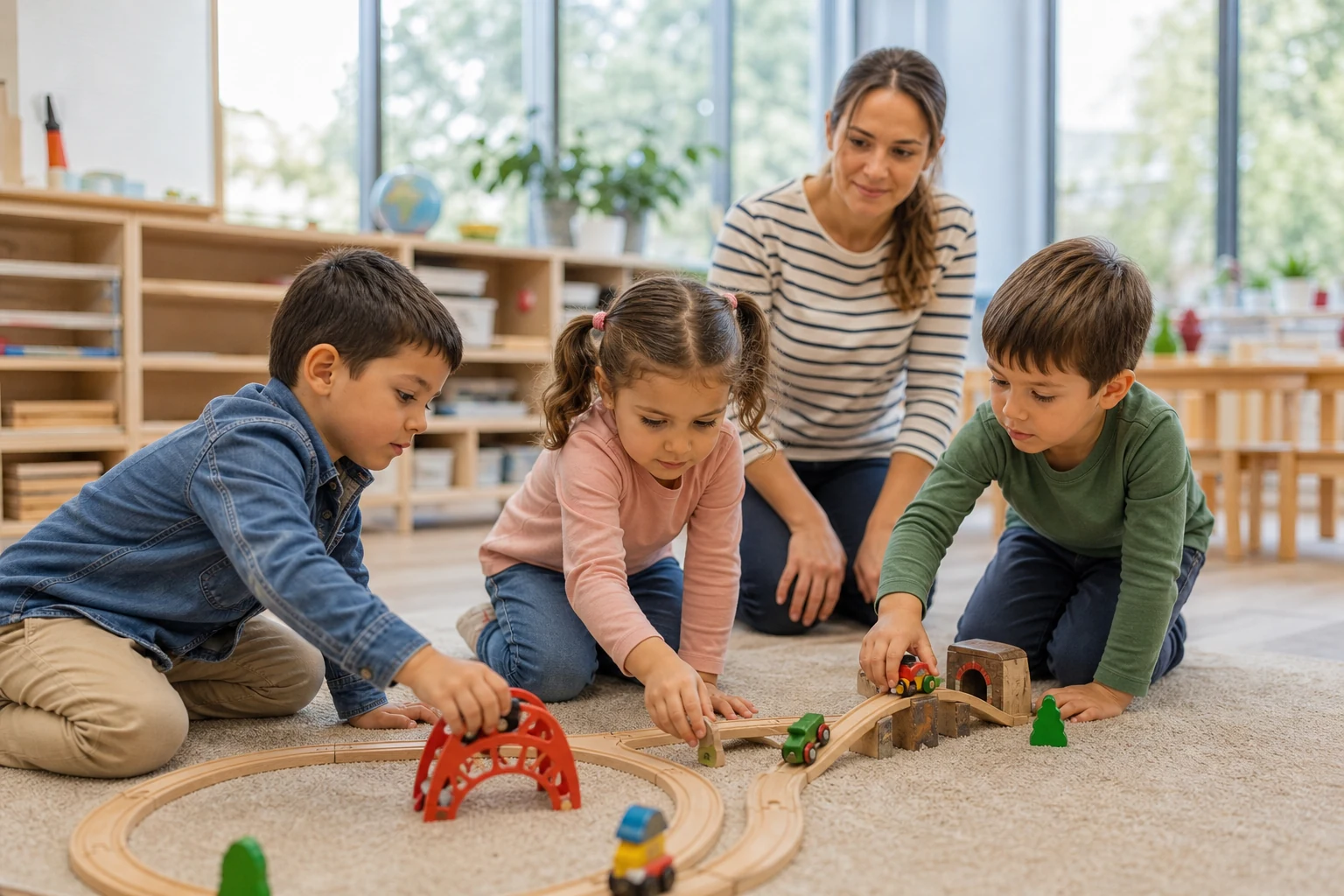
Listening is the best start
Social Skills for 3–6 Year Olds: Friendship Through Play
Simple ways to nurture friendship skills at home and in preschool through play, with practical phrases, role-play ideas, and a two-week observation table.
General Information: General information only; it may vary from child to child. Talk to your doctor or a specialist before making decisions.
In short
- Play is the natural classroom for social skills—no scripts required.
- Focus on small, repeatable moments like waiting, taking turns, and naming feelings.
- Cultural and multilingual families can weave social learning into daily routines.
- Use a two-week table to notice patterns and plan next steps without pressure.
Lumiya Editorial TeamBased on 4 sourcesOur editorial standards
Play is the first classroom for friendship
Between ages 3 and 6, children’s social worlds expand from family to peers. Play becomes the natural laboratory where they practice foundational skills: waiting, taking turns, asking for what they want, and noticing another child’s boundaries.
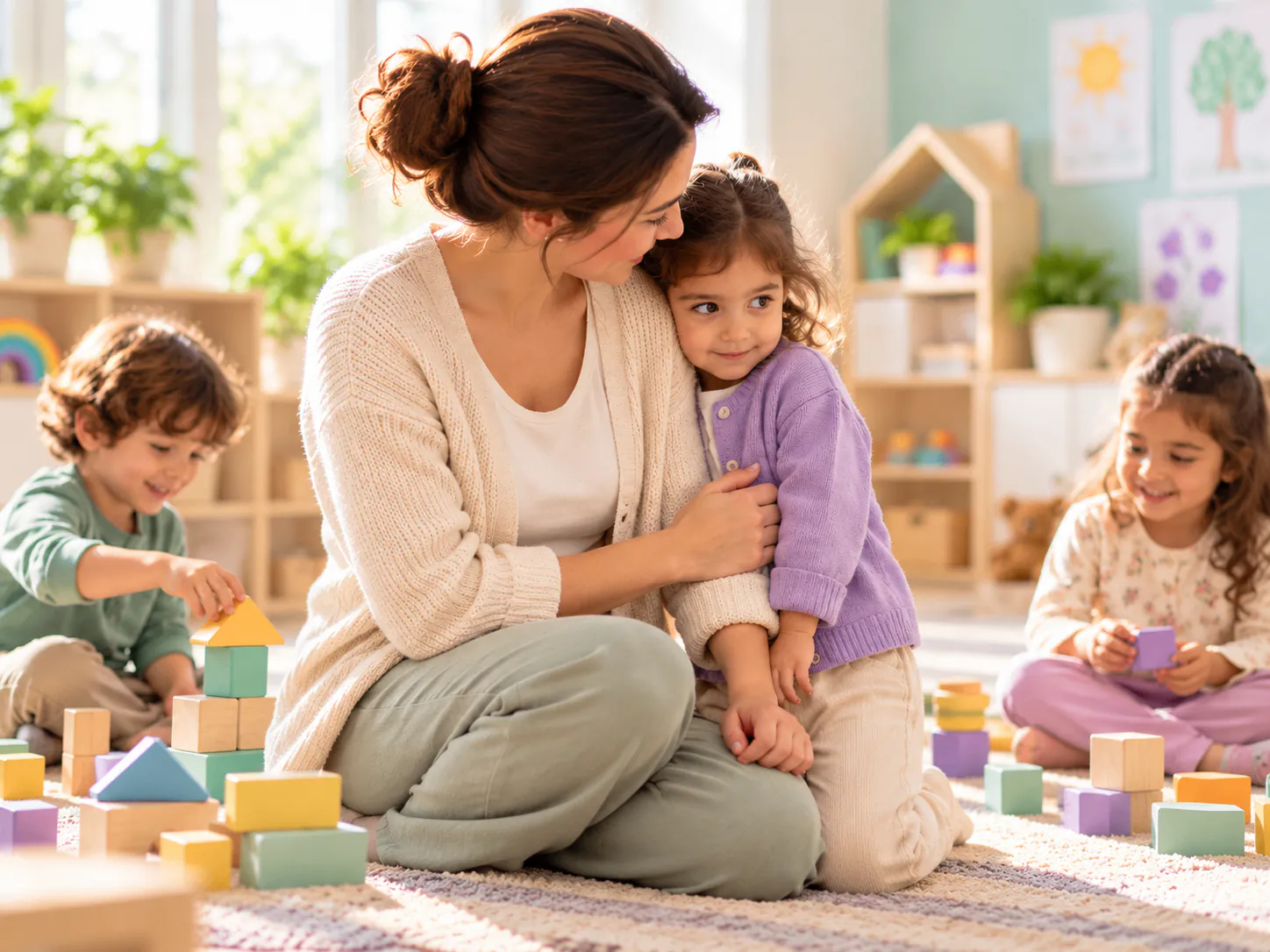
Parallel play—when children play near each other without direct interaction—is common at this stage. A child might stack blocks beside a friend or color quietly while others paint. This isn’t a deficit; it’s a step toward cooperation. Cooperative play, where children work toward a shared goal, often emerges later.

Play is how children learn to belong. When we step in too soon with instructions, we miss the chance to let them figure it out themselves.
At home, you can create low-pressure opportunities for practice. Set up a simple game like rolling a ball back and forth, or build a tower together where each child adds one block at a time.
Everyday phrases that build social muscles
Children learn by hearing words paired with actions. Instead of correcting mistakes, try modelling phrases that name feelings, ask politely, or set gentle boundaries. For example, if your child grabs a toy, you might say, 'I see you really want that truck.
Role-play can make these phrases feel natural. Pretend to be the other child and practice asking, refusing, or waiting. Use stuffed animals or dolls to act out scenarios like sharing a snack or taking turns with a book. Keep sessions short—just a few minutes—to match young attention spans.
For children who communicate through gestures, pictures, or assistive tools, pair words with visuals. A simple picture card showing a hand offering a toy or a face with a frown can bridge gaps when spoken language is still developing. The goal isn’t fluency; it’s connection.
Small changes and big feelings
Tolerating small changes is part of social learning. A playdate might shift from building blocks to drawing, or a favorite game might end earlier than expected. These transitions can spark frustration. Instead of rushing to fix the moment, name what’s happening: 'The game is ending now.
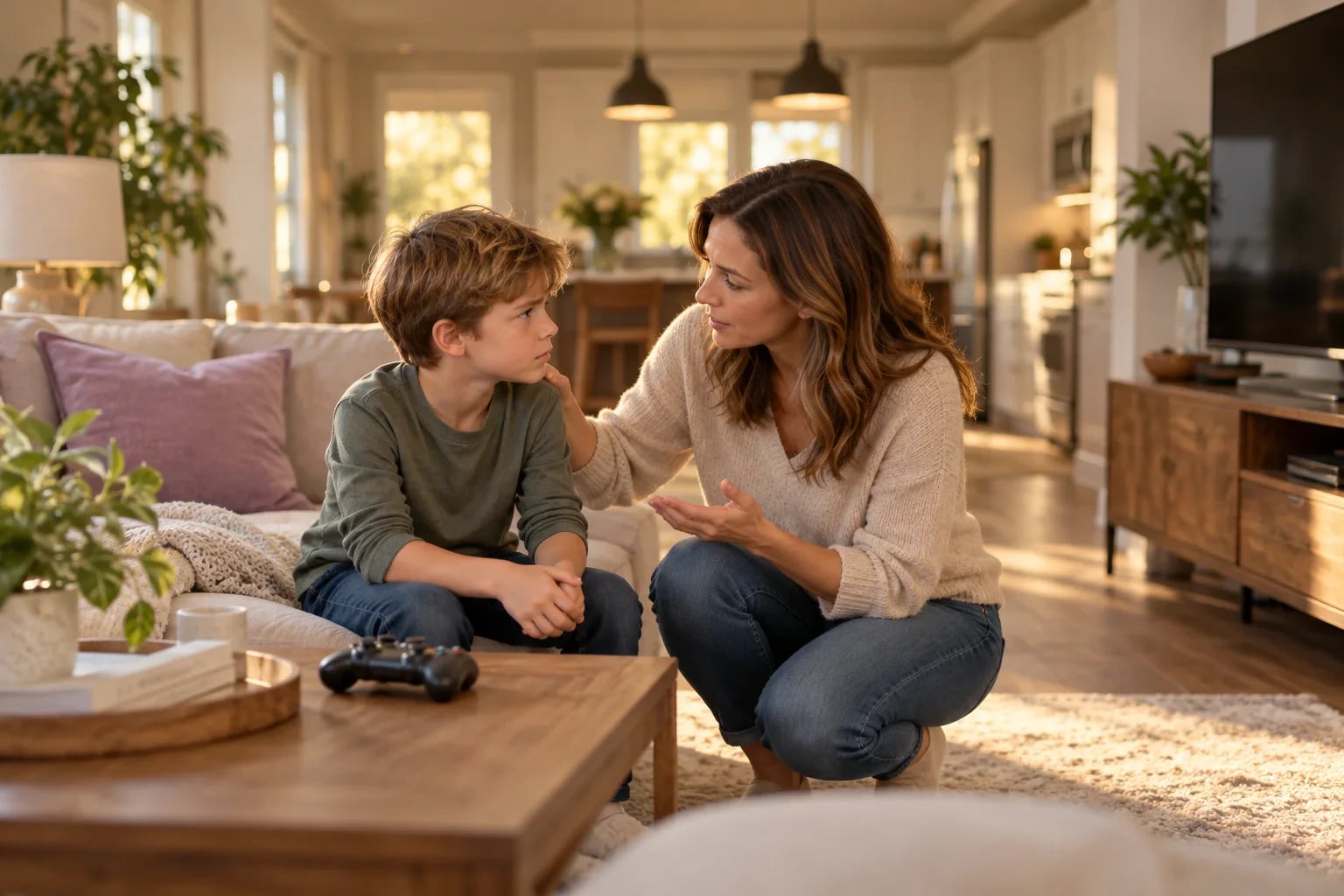
When feelings overflow, stay calm and narrate: 'You’re feeling upset because the tower fell. It’s okay to feel mad. Let’s take a breath together.' Deep breaths or counting to five can help both of you pause before reacting. Avoid forcing apologies; focus instead on repair after harm.
Solving tiny disagreements without drama
Ordinary conflicts—like who gets the red crayon or whose turn it is to push the swing—are opportunities to practice. Step back when possible and let children try to resolve small issues.
For children who struggle with verbal solutions, use visuals like a picture of a handshake or a divided paper with 'my idea' and 'your idea' sections. These tools can make abstract concepts concrete. Remember, the goal isn’t to eliminate conflict but to help children experience small successes in navigating it.
Transitions to preschool and beyond
Starting preschool or a new playgroup can feel overwhelming for both child and caregiver. Before the first day, visit the space together and meet the teacher.
If your child struggles with the transition, work with the teacher to identify one or two familiar routines, like holding a special book during circle time or sitting near a favorite peer. Small accommodations can make a big difference without changing the classroom’s structure.
Multilingual and cultural considerations
In multilingual families, social skills grow through all languages spoken at home. If your child mixes languages or prefers one over another in social settings, that’s normal. The key is consistency in modelling phrases across languages.
Cultural norms around sharing, eye contact, or physical affection vary widely. Some families value quiet observation before joining play, while others encourage immediate interaction. Share your family’s values with teachers so they can support your child’s unique style.
Disability and neurodiversity: adapting without lowering expectations
Children with disabilities or neurodivergent traits may need extra time or different supports to practice social skills. Visual schedules, noise-reducing headphones, or social stories can help. Focus on strengths: a child who notices small details might excel at spotting when a friend needs help.
Avoid forcing eye contact or physical touch. Instead, respect your child’s communication style while teaching alternatives. For example, if your child prefers to communicate through actions, model offering a toy or high-five as a way to connect.
When to seek extra support
Most conflicts at this age are ordinary: a child who doesn’t want to share, a friend who says 'no,' or a moment of frustration. But some signs warrant closer attention. If your child is repeatedly excluded, intimidated, or shows regression in skills, reach out to your preschool or health provider.
Teachers and pediatricians can help identify whether a child needs targeted support, like speech therapy or occupational therapy. Early help is more effective when tailored to the child’s needs, not a one-size-fits-all approach.
| Setting | Trigger | Child’s communication | Peer response | Adult support | Safety concern | Repair attempt | Next step |
|---|---|---|---|---|---|---|---|
| Park playground | Child grabs a shovel | Grabs toy, doesn’t speak | Says 'No!' and pulls back | 'You really want that shovel. Ask: "Can I have a turn?"' | None | Child hands shovel to peer | Practice asking with a timer at home |
| Preschool circle | Teacher asks to share | Covers ears, says 'No' | Moves away | 'You’re not ready to share. You can watch.' | None | Child offers a different toy | Use a picture card for 'my turn' |
| Playdate at home | Friend wants to leave | Cries, doesn’t speak | Says 'Bye' and walks away | 'You’re sad your friend is going. Let’s wave.' | None | Child draws a picture to give | Plan a shorter playdate next time |
Two weeks of noticing, not fixing
Use this table for two weeks to track patterns without judgment. Look for triggers, your child’s communication style, and how peers respond. Focus on one or two skills at a time, like asking or waiting. After two weeks, review the table to spot trends and plan small next steps.
Avoid comparing your child to others or expecting instant change. Social skills develop unevenly—some days your child will wait patiently, other days they’ll grab and run. Celebrate the small wins and keep practice playful.
Trust the process, not the outcome
Friendship skills aren’t built in a day. Some children will naturally gravitate toward cooperative play, while others need more time to observe or communicate in their own way. What matters is that they have consistent, low-pressure opportunities to practice.

Social skills grow through repetition, not perfection. Every small interaction is a step forward.
At the end of the day, your role isn’t to make your child popular or to eliminate conflict. It’s to create a home and community where they feel safe to try, fail, and try again. That’s how belonging begins.
General Information: This content offers general information based on expert sources. Every child, family and situation is different, so what is described here may vary from person to person. Talk to your doctor or a qualified specialist before making decisions about your child.
Was this article helpful?
This topic at other agesRelationships & Communication
Tools for this Age
- Baby percentile calculatorWhere does your child's weight and height sit among children the same age? See it in seconds on the WHO growth curves.
- Baby and child sleep scheduleHow much should your child sleep in 24 hours, and when should bedtime be? Calculate it from official guidance and compare it with your own log.
- Potty training chartWhen to start and how to prepare? A roadmap by age, a daily routine and a printable reward chart.
- Baby milestones by monthCheck off what most children your child's age can do, and talk about the rest with your doctor.
- Baby vaccine schedulePick your country, enter the birth date, and see the official schedule as your own dates.
- Screen time by ageSee how much screen time a day your country's official body recommends at your child's age; add daily use to compare it with the advice.
Checklist
Popular Topics
Frequently Asked Questions
- 1
- 2
- 3
- 4
References & Further Reading
Editorial Note
If your child shows repeated exclusion, intimidation, discrimination, physical harm, sexualised behaviour, regression, or loss of skills, contact your preschool, local safeguarding team, or health provider promptly. These are not ordinary conflicts and may need timely support.
Other situations in this topic
Dealing with a different side of the same topic? Each situation has its own guide.
- How friendship skills develop with ageFriendship skills evolve with age. Learn how to guide your child through each stage—from parallel play to privacy and boundaries—without pushing popularity or a fixed number of friends.1 items
- Won't share toysPractical ways to support your child’s early social skills without forcing immediate sharing or using shame. Includes a two-week observation table and guidance for siblings, preschool, public play, multilingual homes, disability, and neurodiversity.1 items