 lumiya.com.tr
Toddler Sleep Routines: A Calm Guide for Ages 1-3
Learn how to build a simple, repeatable bedtime routine for toddlers ages 1-3 that supports healthy sleep without rigid schedules or stress. Includes tips for consistency, safe sleep, and handling common challenges.
Why a bedtime routine matters for toddlers
A calm, repeatable bedtime routine helps toddlers ages 1-3 transition from play to rest more smoothly. Research shows that routines provide a sense of security and predictability, which can reduce bedtime resistance and nighttime awakenings. The goal isn’t a rigid schedule but a consistent sequence of cues that signal it’s time to wind down.

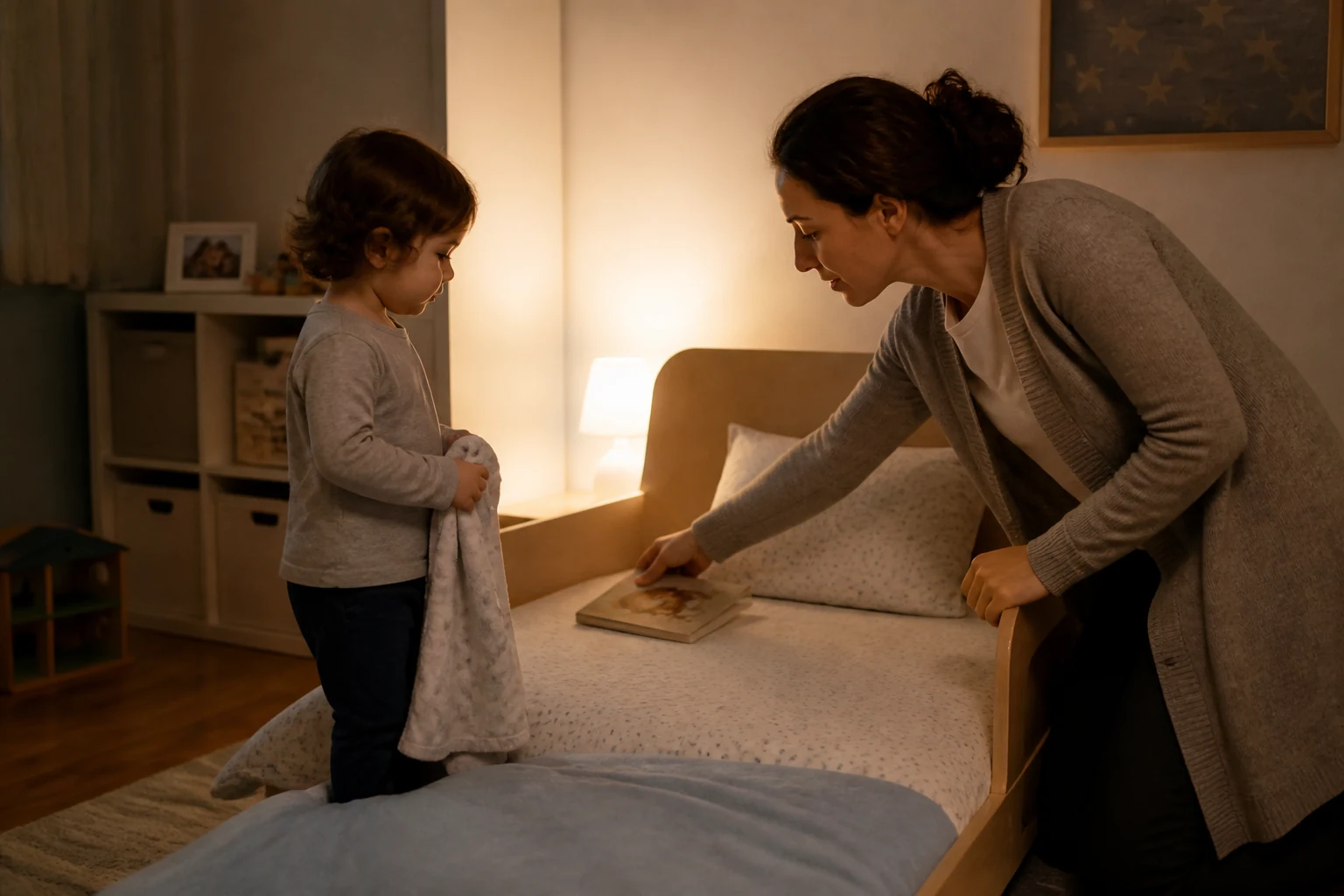
Toddlers thrive on predictability. A simple, calm routine helps them understand what to expect, making bedtime less stressful for everyone.
During this stage, toddlers are developing independence but still rely on caregivers to set boundaries. A routine balances their need for control with the structure they need to sleep well. Consistency between caregivers—whether parents, grandparents, or babysitters—reinforces these cues and reduces confusion.
Build daytime habits that support nighttime sleep
How your toddler spends their day directly impacts how easily they fall asleep at night. Exposure to natural light in the morning and active play during the day help regulate their internal clock. The World Health Organization recommends at least 180 minutes of physical activity spread throughout the day for children under five, including energetic play like running, climbing, or dancing.

Movement during the day helps toddlers use up energy, making it easier for them to relax when it’s time for bed.
Limit screen time, especially in the hour before bedtime. The blue light from screens can interfere with the production of melatonin, the hormone that helps regulate sleep. Instead, opt for quiet activities like puzzles, coloring, or reading to transition into the evening.
Design a simple, repeatable bedtime routine
A bedtime routine doesn’t need to be complicated. The key is to keep it calm, predictable, and flexible enough to adapt to your child’s changing needs. Start with a consistent bedtime window—usually between 7:00 PM and 9:00 PM for most toddlers. Watch for signs of sleepiness like rubbing eyes, yawning, or slowing down, and begin the routine when you notice them.
Here’s a practical sequence to try:
| Step | Activity | Purpose |
|---|---|---|
| 1 | Dim lights and reduce noise | Signals that the day is winding down |
| 2 | Warm bath or wash-up | Helps relax muscles and transition to pajamas |
| 3 | Put on pajamas | Physical cue that bedtime is near |
| 4 | Quiet play or book | Encourages calm, focused attention |
| 5 | Short bedtime story | Reinforces the routine and provides comfort |
| 6 | Cuddles or lullaby | Offers reassurance and connection |
| 7 | Safe sleep environment | Ensures a comfortable, secure space |
Keep the routine to about 20-30 minutes to avoid overstimulation. Offer small choices, like which book to read or which pajamas to wear, to give your toddler a sense of control without compromising the sleep boundary.
Handle common challenges with flexibility
Even with the best routine, challenges can arise. Illness, travel, or developmental leaps may disrupt sleep temporarily. During these times, shorten the routine but preserve its core cues—like dim lighting and a familiar book—to maintain a sense of security.
If your toddler is sick, adjust the routine to prioritize comfort, but keep the familiar steps to help them feel safe.
Toddlers may also test boundaries at bedtime. Stay calm and consistent. If they resist, gently remind them of the routine and offer comfort without giving in to extra playtime or screens. Consistency between caregivers is crucial here—mixed messages can prolong bedtime struggles.
Create a safe sleep environment
A safe sleep space reduces nighttime disruptions and gives you peace of mind. Use a firm, flat mattress with a fitted sheet, and avoid soft bedding, pillows, or toys in the crib or bed. Dress your toddler in comfortable, weather-appropriate pajamas to prevent overheating or chilling.
Keep the room cool, dark, and quiet. If your toddler is used to noise, a consistent white noise machine can help mask household sounds. Ensure the sleep space is free from hazards like cords, loose blankets, or small objects they could reach.
When to seek help
Most sleep challenges in toddlers are temporary and resolve with consistency. However, some signs warrant further assessment. Snoring, pauses in breathing, or unusual difficulty waking may indicate sleep-disordered breathing or other issues. Significant pain, persistent nightmares, or a sleep problem that disrupts family functioning should also be discussed with a healthcare professional.
Trust your instincts. If something feels off, it’s worth checking in with your pediatrician to rule out underlying concerns.
Developmental changes, like learning to climb out of the crib or experiencing separation anxiety, can also temporarily disrupt sleep. Adjust the routine as needed, but maintain the core structure to help your toddler adapt.
Consistency without rigidity
The goal of a toddler bedtime routine is to create a calm, predictable transition from day to night. It’s not about perfection or rigid timing but about providing security and structure. As your child grows, their sleep needs and preferences may change, so stay flexible and adjust the routine as needed.
The best routines are the ones you can stick with, even on busy days or during transitions.
Involve caregivers in the routine to ensure consistency. Share the steps and cues with grandparents, babysitters, or daycare providers so your toddler receives the same signals no matter who is putting them to bed. Over time, the routine becomes a comforting ritual that supports better sleep for everyone.
"Health Disclaimer: This content is provided for general informational purposes only and does not constitute personal medical advice, diagnosis, or treatment. Always seek the advice of a qualified health professional with any questions you may have regarding your health or your child's health."
Was this article helpful?
Fast Summary
- A calm, repeatable bedtime routine helps toddlers ages 1-3 wind down and sleep better.
- Focus on daytime light, movement, and lower evening stimulation for easier transitions.
- Keep bedtime consistent but flexible; adjust during illness, travel, or developmental changes.
- Offer small choices to give toddlers a sense of control while maintaining sleep boundaries.
Tools for this Age
Checklist
Popular Topics
This topic at other ages· Sleep
Frequently Asked Questions
- 1
Show 3 moreCollapse
- 2
- 3
- 4
Editorial Note
Snoring, pauses in breathing, unusual difficulty waking, significant pain, or sleep problems that disrupt family functioning should be assessed by a healthcare professional.