 lumiya.com.tr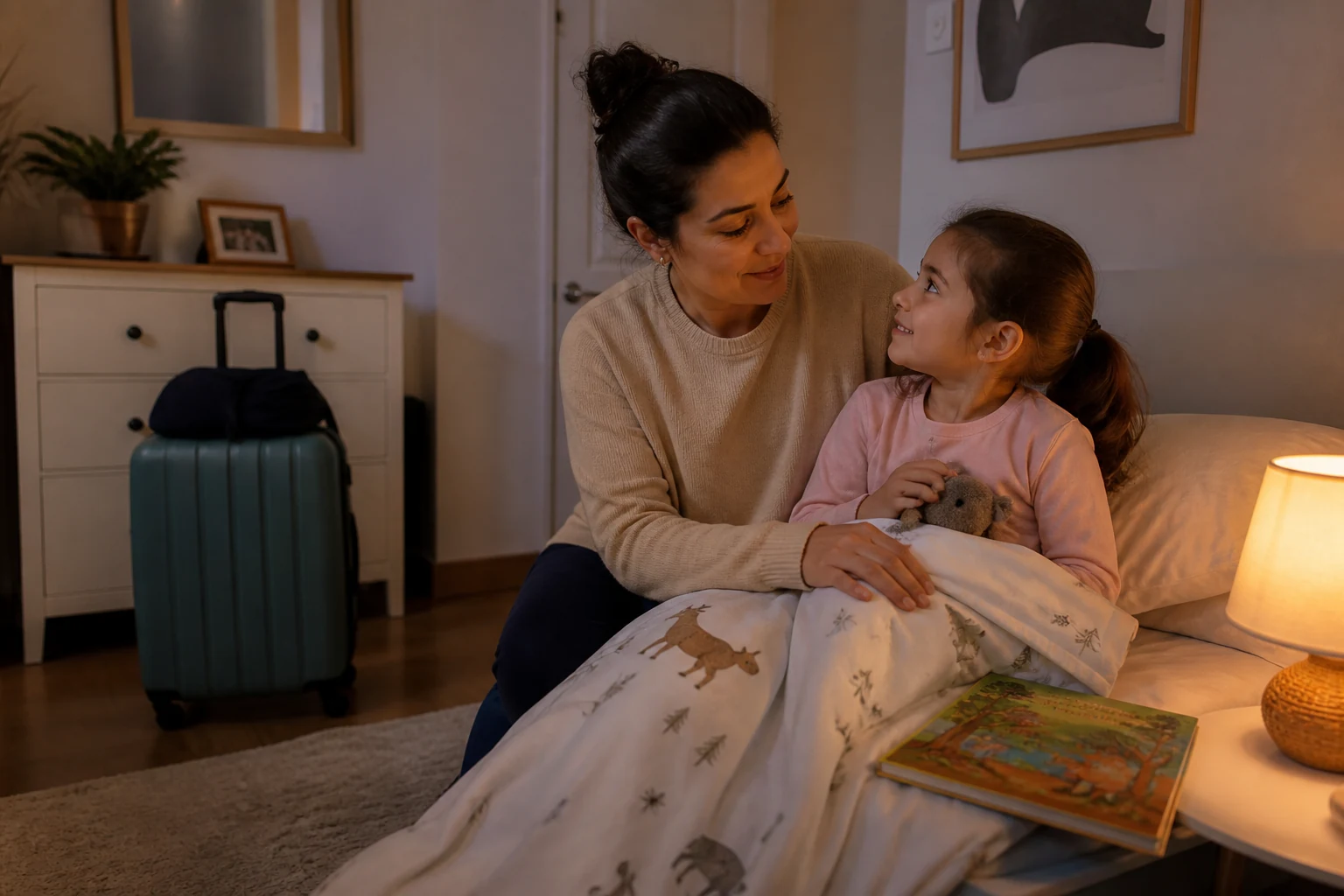
Calm nights, gentle mornings
Preschool Sleep Changes in 3- to 6-Year-Olds
Temporary sleep disruptions are common in preschoolers. Learn how to spot the causes, respond calmly, and restore restful nights without resorting to quick fixes or one-size-fits-all solutions.
General Information: General information only; it may vary from child to child. Talk to your doctor or a specialist before making decisions.
In short
- Temporary sleep changes in preschoolers are often tied to developmental leaps, routine shifts, or emotional milestones rather than a fixed regression timeline.
- Focus first on comfort, safety, and small, consistent adjustments rather than chasing overnight fixes.
- Track daily patterns for seven days to spot what’s shifting before making changes.
- Know when ordinary resistance turns into something that needs professional attention.
Lumiya Editorial TeamBased on 4 sourcesOur editorial standards
Preschoolers are full of energy, big ideas, and strong feelings—all of which can show up at bedtime. When your 3- to 6-year-old suddenly resists settling, wakes more often, or starts the day earlier than usual, it’s easy to wonder if this is a sleep regression or something else entirely.
The good news is that most of these disruptions are short-lived when caregivers respond with calm consistency. Instead of searching for a quick fix or waiting for a named regression to pass, focus on what’s actually changing in your child’s world and how you can support them through it.
Spot what’s shifting before making changes
Start by checking the basics: Is your child comfortable, safe, and free from pain? A stuffy nose, earache, or even a new tooth can make settling harder. Next, map what’s different in the past week or two.

A child who suddenly refuses to sleep alone may be testing boundaries—or they may simply need more reassurance after a day full of new faces and routines. Listen first, then adjust one small thing at a time.
Preschoolers thrive on predictability, so preserving a short, familiar sequence before bed helps them feel secure. If bath time, pajamas, brush teeth, two books, and lights out used to work, keep that order even if they protest.
When the nap is fading
Many preschoolers still nap, but the length and timing can shift. If your child is resisting naps or waking too early from them, try moving nap time earlier or shortening it to under two hours.
Respond calmly at night, change one thing at a time
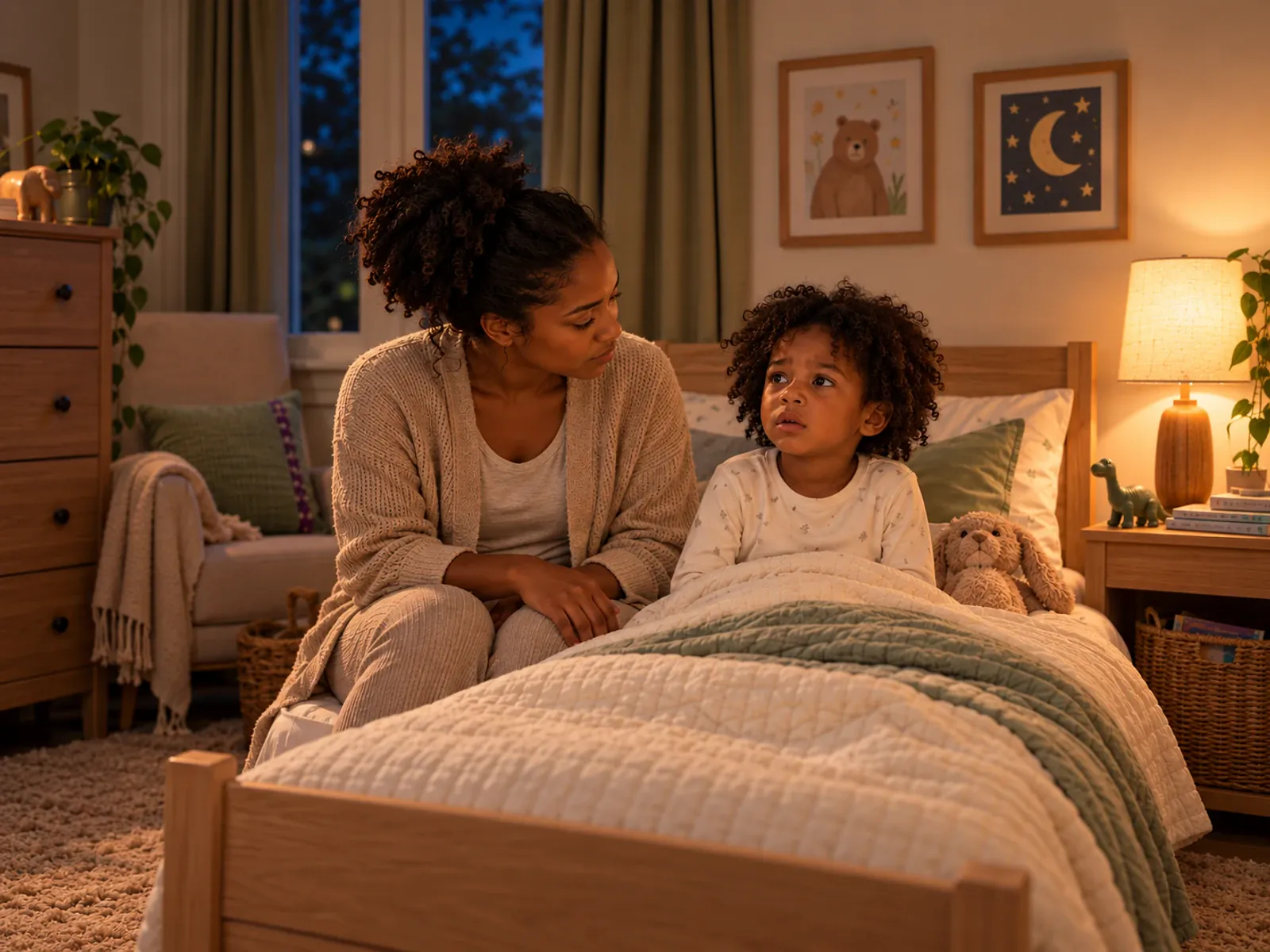
When your child calls out or comes to your room, respond in a quiet, matter-of-fact way. A brief check-in, a sip of water, or a quick tuck-in can reassure them without turning bedtime into a long negotiation. If they’re simply seeking attention, a calm “It’s sleep time now.

Resisting the urge to “fix” the night immediately helps your child learn to settle themselves. Small, consistent responses build their confidence over time.
If you’ve tried a change—like adding a nightlight or shifting bedtime earlier—and it doesn’t help within a few nights, pause and observe. Sometimes the issue isn’t the change itself but the timing or the way it was introduced.
Shared rooms and multigenerational care
Families manage sleep in many ways. If your child shares a room with siblings or grandparents, noise or light can disrupt sleep. A white noise machine, a fan, or a room divider can help.
Track patterns for seven days before adjusting
The fastest way to understand what’s really going on is to observe for a full week. Use this table to note daytime context, nap details, evening changes, wind-down, settling, waking, your response, morning function, and one next adjustment. Fill it in honestly—even on days that feel chaotic.
| Day | Daytime context | Nap (yes/no, length) | Evening change (dinner time, activity) | Wind-down (routine, mood) | Settling (minutes to sleep) | Waking (times, reason) | Caregiver response | Morning function (alertness, mood) | Next adjustment |
|---|---|---|---|---|---|---|---|---|---|
| Mon | Playdate at park, late lunch | Yes, 1.5 hours | Dinner at 6:30 PM, screen time after | 3 books, pajamas, brush teeth | 25 minutes | 2:30 AM, called out | Brief check-in, water | Fussy at breakfast | Try earlier bedtime |
| Tue | Quiet day at home | Yes, 1 hour | Dinner at 6:00 PM, no screen time | 2 books, stuffed animal added | 15 minutes | 3:00 AM, came to room | Reassured, returned to bed | More alert | Keep same routine |
| Wed | Preschool field trip | No nap | Dinner at 6:15 PM, quiet play | 3 books, new nightlight | 30 minutes | 1:45 AM, cough | Sat with child until asleep | Normal mood | Check for allergies |
| Thu | Sibling’s birthday party | No nap | Dinner at 7:00 PM, sugar snack | 2 books, extra cuddle | 20 minutes | Slept through | None | Bright and happy | Monitor |
| Fri | Rainy day, indoor play | Yes, 1 hour | Dinner at 6:30 PM, bath moved earlier | 3 books, favorite song | 10 minutes | 2:15 AM, scared | Reassured, stayed until asleep | Normal | Keep same |
| Sat | Family gathering, late dinner | No nap | Dinner at 7:30 PM, overstimulated | 1 book, extra wind-down | 40 minutes | 1:30 AM, hungry | Small snack, back to bed | Tired but okay | Earlier dinner next time |
| Sun | Church, quiet afternoon | Yes, 1 hour | Dinner at 6:00 PM, early bedtime | 2 books, new routine | 15 minutes | Slept through | None | Bright and happy | Continue |
After seven days, look for patterns. Did naps drop? Was dinner later? Did a new sibling or preschool start? Use the “next adjustment” column to plan one small change for the following week. Avoid overhauling everything at once—small tweaks have the best chance of sticking.
Know when to seek help
Most preschool sleep changes are temporary and resolve with patience and consistency. But some signs point to something more serious. Loud snoring, breathing pauses, gasping, unusual movements, severe pain, breathing difficulty, blue or unusually pale skin, reduced responsiveness, injury, marked daytime sleepiness, or sustained family impairment are red flags.
Trust your instincts. If something feels off, it’s better to check in early than wait for a problem to grow.
Daytime sleepiness that interferes with preschool, play, or family life also deserves attention. While preschoolers vary in their sleep needs, the American Academy of Pediatrics notes that most 3- to 5-year-olds still require 10–13 hours of sleep in a 24-hour period, including naps.
Build a calm, flexible routine
The goal isn’t to force a perfect night’s sleep every time, but to create a predictable rhythm that your child can rely on. Start with a consistent wake-up time, even on weekends, to anchor the day.
Handling travel and special occasions
Travel, holidays, and family visits can throw even the most settled sleeper off track. On the road, bring familiar comforts—a favorite stuffed animal, a small blanket, or a book—and try to keep bedtime as close to usual as possible.
Shift work and separated households
Caregivers working non-traditional hours or living in two homes face extra challenges. If possible, agree on a basic bedtime routine and key phrases with all caregivers. Use blackout curtains, white noise, or a consistent “goodnight” ritual to signal sleep time, even when schedules differ.
Small steps, steady progress
Preschool sleep changes can feel like a rollercoaster, but most families find their way back to calm nights with a little observation and consistency. Focus on comfort, safety, and one small adjustment at a time.
Remember, there’s no single “right” way to handle preschool sleep—just the way that works for your child and your family.
General Information: This content offers general information based on expert sources. Every child, family and situation is different, so what is described here may vary from person to person. Talk to your doctor or a qualified specialist before making decisions about your child.
Was this article helpful?
This topic at other agesSleep & Rest
Tools for this Age
- Baby percentile calculatorWhere does your child's weight and height sit among children the same age? See it in seconds on the WHO growth curves.
- Baby and child sleep scheduleHow much should your child sleep in 24 hours, and when should bedtime be? Calculate it from official guidance and compare it with your own log.
- Potty training chartWhen to start and how to prepare? A roadmap by age, a daily routine and a printable reward chart.
- Baby milestones by monthCheck off what most children your child's age can do, and talk about the rest with your doctor.
- Baby vaccine schedulePick your country, enter the birth date, and see the official schedule as your own dates.
- Screen time by ageSee how much screen time a day your country's official body recommends at your child's age; add daily use to compare it with the advice.
Checklist
Popular Topics
Frequently Asked Questions
- 1
- 2
- 3
- 4
References & Further Reading
Editorial Note
Sleep disruptions in preschoolers can feel overwhelming, but most are short-lived when caregivers respond with calm consistency. If your child shows loud snoring, breathing pauses, gasping, unusual movements, severe pain, breathing difficulty, blue or unusually pale skin, reduced responsiveness, injury, marked daytime sleepiness, or sustained family impairment, contact your local child-health provider or…
Other situations in this topic
Dealing with a different side of the same topic? Each situation has its own guide.