 lumiya.com.tr
Night Wakings in 9–12-Year-Olds: A Parent’s Practical Guide
Learn how to respond to night wakings in preteens without turning sleep into a battle. Discover practical steps to support restful nights while respecting your child’s growing independence.
Why preteens wake up at night
Between ages 9 and 12, children’s bodies and brains are changing fast. Their sleep cycles shift, and brief awakenings—sometimes just a few seconds—can feel louder in a quiet house.

Sleep patterns in this age group often include brief awakenings that don’t always lead to full wakefulness. What matters most is how your child returns to sleep and how they function the next day.
Puberty can also bring new sleep challenges. Hormonal shifts may make it harder to fall asleep or stay asleep through the night.
Noise, light, temperature, and even the hum of a fan can become more noticeable once a child is in a lighter sleep stage. Screens before bed—whether phones, tablets, or gaming consoles—can delay sleep onset and make night wakings feel more disruptive.
What to watch for (and what to let go)
Not every night waking needs a major response. If your child briefly sits up, murmurs, or rolls over and settles back down within a minute or two, it’s usually fine to let them return to sleep on their own.

Focus on the big picture: Is your child getting enough rest overall? Are they able to concentrate in school and engage in daily activities without excessive tiredness?
Some changes are worth noting but don’t require immediate action. A late soccer practice, a new school project, or a friend drama can temporarily disrupt sleep.
Other signs suggest a closer look is needed. Loud snoring, pauses in breathing, gasping, or unusual movements during sleep can indicate a need for professional guidance.
A calm night response plan
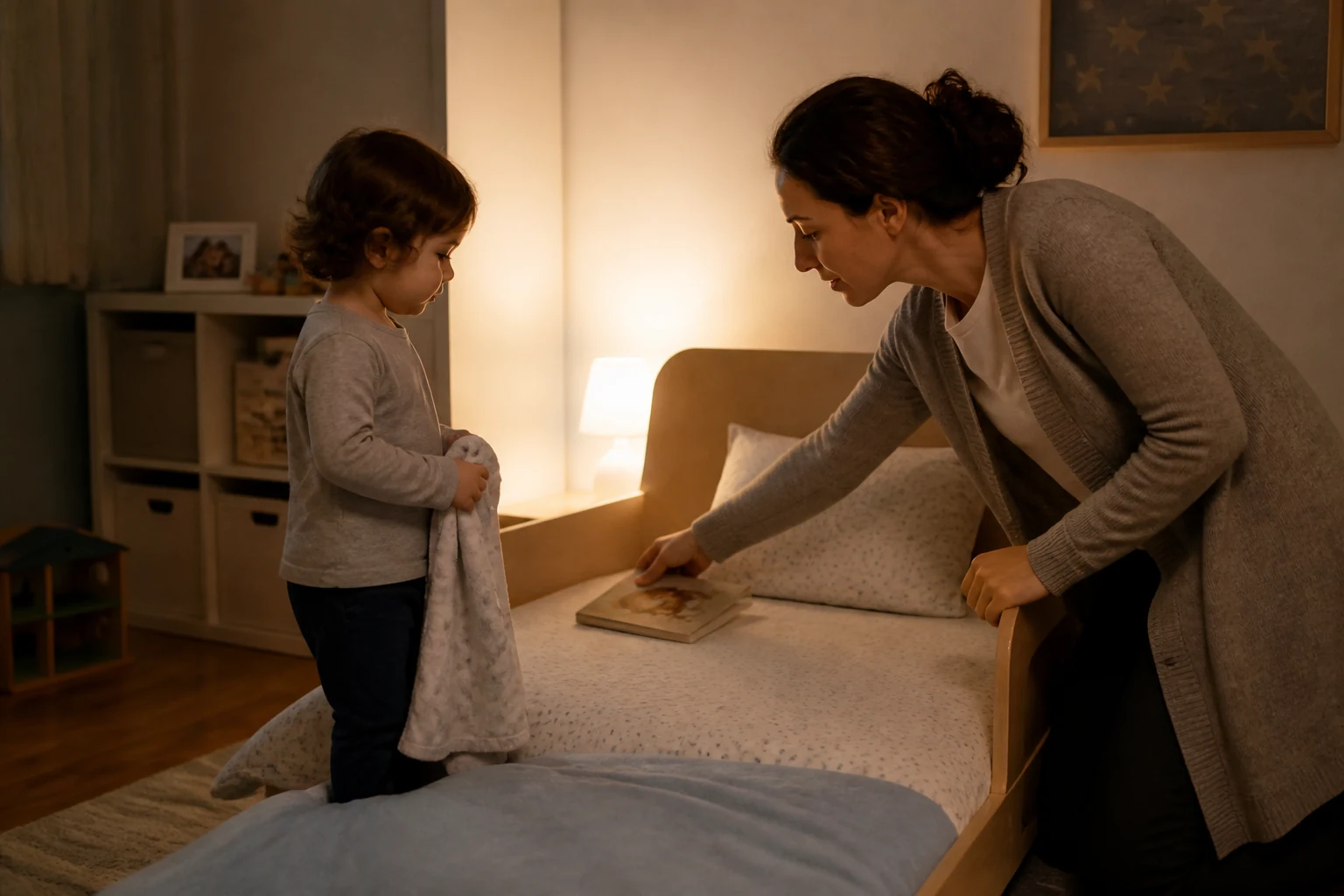
When your child wakes up at night, aim for a response that’s calm, consistent, and low-key. Start by checking for immediate safety—are they in a safe space? Do they need help with a quick bathroom trip?
Avoid turning the night into a negotiation. A simple phrase like, “It’s still sleep time. Let’s get you comfortable,” followed by a quick adjustment to blankets or a sip of water, is often enough.
In the morning, take a few minutes to agree on a simple plan for the next night.
Consistency across caregivers is important. If one parent responds with a long conversation while another quietly tucks them back in, it can create confusion.
Tracking patterns without surveillance
A seven-night observation table can help you spot trends without turning sleep into a monitoring project.
| Evening context | Estimated sleep onset | Waking time/context | Child’s description | Response used | Return-to-rest pattern | Morning/school effect | Next adjustment |
|---|---|---|---|---|---|---|---|
| No screens after 8:30 PM; read in bed | 9:15 PM | 10:45 PM; needed water | “Thought I heard a noise” | Quick check, water, back to bed | Settled in 2 minutes | Bright and ready for school | Try a white noise app |
| Late soccer practice; snack after 9 PM | 10:00 PM | 11:10 PM; bathroom trip | “Couldn’t stop thinking about the game” | Quiet bathroom trip, back to bed | Settled in 5 minutes | Slightly tired but okay | Move snack earlier |
| Phone in room; notifications on | 10:30 PM | 12:05 AM; phone buzzed | “Phone woke me up” | Removed phone from room | Settled in 3 minutes | Groggy in morning | Charge phone outside bedroom |
| Quiet evening; sibling conflict discussed | 9:00 PM | 10:50 PM; asked for hug | “Felt worried about tomorrow” | Short hug, back to bed | Settled in 4 minutes | Fine at breakfast | Add wind-down time before bed |
| Travel day; different room and bed | 9:45 PM | 11:20 PM; unfamiliar noises | “Didn’t feel like I was home” | Quick check, back to bed | Settled in 6 minutes | Slightly tired but manageable | Bring a familiar item from home |
| Busy week at school; no wind-down routine | 10:15 PM | 11:35 PM; couldn’t relax | “Mind wouldn’t stop racing” | Breathing exercise together | Settled in 8 minutes | Tired but okay | Start a 30-minute wind-down routine |
| Early wake-up for family event; bedtime shifted | 8:45 PM | 6:00 AM; naturally awake | “Woke up early and couldn’t go back” | Stayed in bed quietly | N/A | Fine, but went to bed earlier next night | Adjust bedtime gradually |
This table isn’t about collecting data for its own sake. Use it to notice patterns—like whether screen use, late snacks, or unresolved worries are linked to night wakings.
When to seek extra support
Most night wakings in this age group don’t require professional help. But if your child’s sleep struggles are affecting their mood, school performance, or daily life, it may be time to talk with someone who knows your family.
Start with your child’s pediatrician. They can rule out issues like sleep apnea, restless legs, or anxiety that might need targeted support.
If your child shows persistent loud snoring, pauses in breathing, gasping, unusual movements, severe pain, breathing difficulty, bluish color, reduced responsiveness, injury, marked daytime sleepiness, sustained school or family impairment, sudden major mood or behavior change, self-harm, or any immediate danger, contact a local child-health or emergency support service promptly.
You know your child best. Trust your instincts if something feels off, and don’t hesitate to reach out for guidance.
Keeping sleep conversations private and respectful
Preteens value their privacy, and sleep is no exception. Avoid asking detailed questions in front of others or turning bedtime into a public discussion.
If your child shares worries about school, friends, or changes at home, listen without immediately jumping to solutions. Sometimes, just being heard is enough to ease their mind.
Small shifts, big impact
Tiny changes often make the biggest difference. Moving screens out of the bedroom, setting a consistent wind-down routine, or adjusting the room temperature can improve sleep quality without turning bedtime into a power struggle.
Sleep in this age group is about balance, not perfection. Brief awakenings are normal, and small tweaks to routines or conversations can make a meaningful difference over time.
If a change doesn’t work after a week or two, try something else. Sleep is personal, and what helps one child may not help another.
Putting it all together
Night wakings in 9–12-year-olds are usually a normal part of growing up. By staying calm, keeping responses simple, and observing patterns without turning sleep into a surveillance project, you can support your child’s rest without turning bedtime into a battle.
Start with small adjustments—like a consistent wind-down routine or a quiet check-in when they wake up—and build from there. If sleep struggles persist or start to affect their daily life, reach out to a professional for guidance tailored to your family.
Sleep is just one piece of the puzzle. With patience and consistency, you can help your child navigate this stage while preserving their growing independence and your family’s peace of mind.
"Health Disclaimer: This content is provided for general informational purposes only and does not constitute personal medical advice, diagnosis, or treatment. Always seek the advice of a qualified health professional with any questions you may have regarding your health or your child's health."
Was this article helpful?
Fast Summary
- Brief night wakings are common in preteens and don’t always signal a problem.
- Focus on patterns, your child’s account, and next-day function rather than perfect sleep.
- Keep night responses calm, low-key, and consistent to avoid turning sleep into a negotiation.
- Track observations for a week to spot trends, then adjust routines or conversations as needed.
Tools for this Age
Checklist
Popular Topics
This topic at other ages· Sleep
Frequently Asked Questions
- 1
Show 3 moreCollapse
- 2
- 3
- 4
Editorial Note
This guide offers practical support for families. It is not medical advice. If your child shows persistent breathing issues, severe pain, unusual movements, or marked daytime impairment, contact a local child-health professional promptly.