 lumiya.com.tr
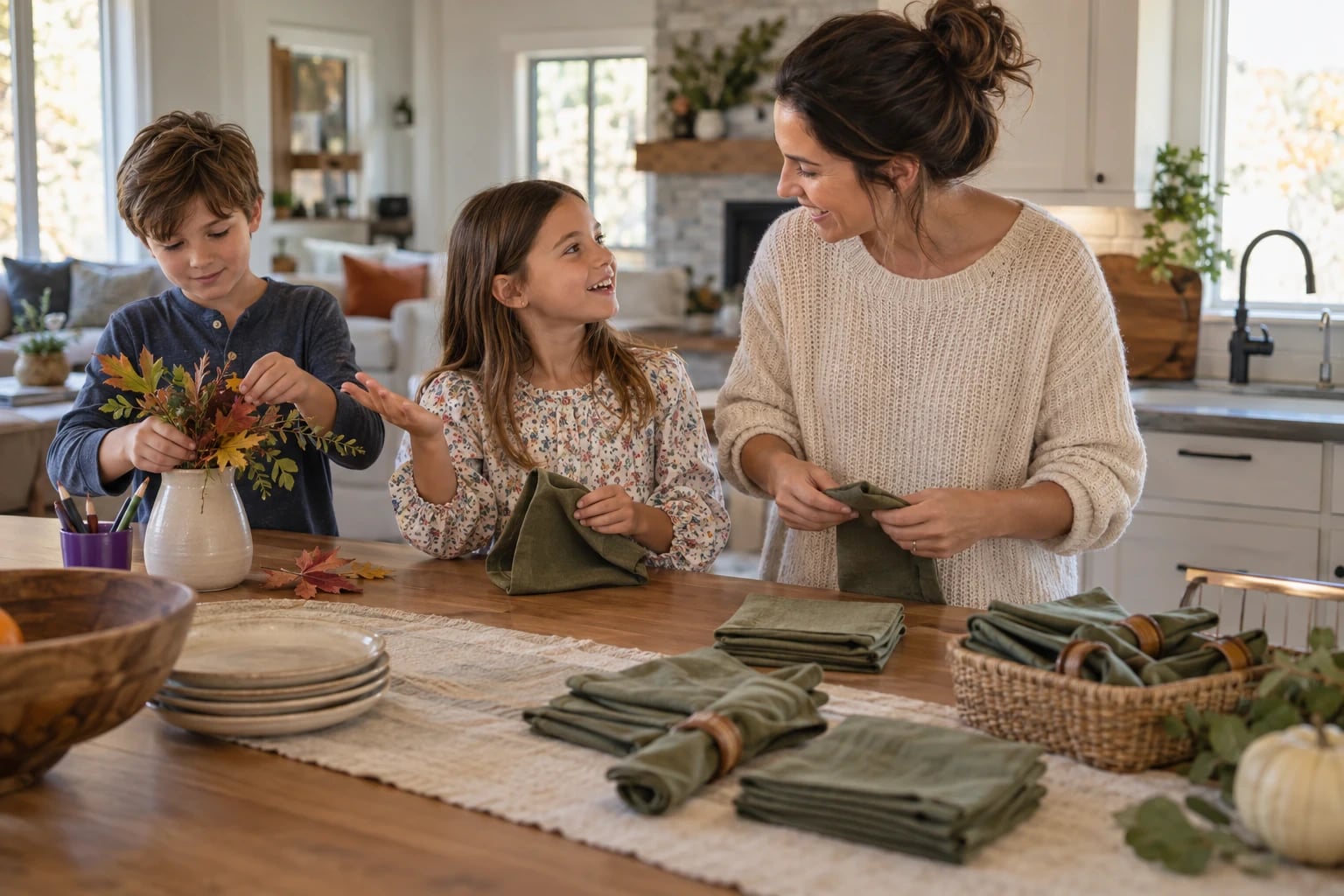
Understanding feelings builds trust
Teen Won't Follow Rules? A Calm Approach for 12–18
Learn how to guide your teen’s behavior without undermining their growing independence. Discover practical tools for handling schoolwork, chores, curfews, devices, and more while respecting their need for autonomy.
General Information: General information only; it may vary from child to child. Talk to your doctor or a specialist before making decisions.
In short
- Behavior is shaped by skills, stress, and context—not character flaws.
- Separate facts from interpretations to respond more effectively.
- Use collaborative agreements and natural consequences instead of public shaming.
- Focus on connection and repair after mistakes rather than perfection.
Lumiya Editorial TeamBased on 4 sourcesOur editorial standards

A safe adaptation that fits family circumstances is more practical than searching for one correct method.
Why Teens Act the Way They Do
Adolescence is a time of rapid change—physical, emotional, and social. The behaviors you see aren’t flaws; they’re signals shaped by skills still developing, stress from new expectations, and the search for identity.

A teen who avoids homework might not be avoiding work; they could be avoiding the shame of struggling with a skill they haven’t mastered yet.
Context matters too. A behavior that feels disruptive at home might look different at school or with friends. For example, a teen who’s quiet at dinner could be exhausted from social demands at school.
Separating Facts from Interpretations
Start by describing the observable action: "You left your backpack by the door after I asked you to put it in your room." Then note the immediate consequence: "It’s now 7:30 AM, and you’re running late for the bus." Next, ask for their explanation without judgment: "What’s going on with your backpack this morning?" Finally, assess the safety impact: *"Is there anything we can do to make mornings smoother?"
This approach shifts the conversation from blame to problem-solving. It also gives your teen space to explain their side, which builds trust and reduces defensiveness. If the behavior repeats, revisit the skill or agreement you’re practicing together, like setting a 10-minute warning before leaving the house.
Handling Everyday Friction Points
Schoolwork and Chores
Teens often resist tasks that feel meaningless or overwhelming. Instead of demanding compliance, ask: "What part of homework feels hardest right now?" or "How can we break chores into smaller steps?" Collaborate on a plan that fits their schedule and your expectations.
Natural consequences work better than punishments. If they skip homework, they’ll face the real-world result—a lower grade or missed project—but avoid public shaming. Instead, use the moment to problem-solve: *"What’s one thing we can try differently next time?"
Curfews and Devices
Curfews and screen time often spark power struggles. Start with non-negotiable safety boundaries, like no driving after midnight or no phones in bedrooms after 10 PM. For other limits, negotiate based on responsibilities.
Use proportionate monitoring—check in occasionally, but avoid secret surveillance. Trust grows when teens feel respected, not policed. If they break a rule, address the behavior calmly: "The agreement was no phones after 10 PM. Let’s reset for tomorrow."
Friendships and Privacy
Teens crave privacy, but they also need guidance on healthy relationships.
If you notice concerning behavior—like secrecy about plans or sudden changes in mood—address it with curiosity: "I’ve noticed you’ve been quiet about your weekend plans. Is everything okay?" This opens the door for them to share if they’re ready.
Tone and Honesty
Teens test boundaries with tone and honesty, not to be difficult but to assert their growing independence. Respond to tone with facts, not reactions. For example, if they say, "You never let me do anything!" reply with: *"I hear you’re frustrated.
For honesty, acknowledge effort over perfection. If they admit a mistake, thank them: "I appreciate you telling me the truth. Let’s figure out how to fix it together." This reinforces trust and reduces the fear of punishment.
Risk-Taking and Family Participation
Risk-taking is part of adolescence, but it’s not always reckless. Teens experiment to learn boundaries and identity. Instead of forbidding risks outright, discuss them openly: *"What’s the worst that could happen if you try this?
Family participation often declines as teens prioritize peers. Instead of forcing involvement, find shared activities that align with their interests. Cooking a meal together, watching a show, or volunteering can strengthen bonds without pressure.
Recovering After Mistakes
Mistakes are inevitable, but they’re also opportunities to build resilience.
Natural repair works better than punishment. If they forget to do a chore, ask: "How can we make sure it gets done?" If they’re rude, address it directly: *"That tone hurt my feelings. Can we try again?"
A Pattern-and-Plan Table for Common Situations
| Situation | Trigger | Adolescent View | Caregiver Concern | Fixed Safety Boundary | Negotiable Choice | Review Date |
|---|---|---|---|---|---|---|
| Late homework | Overwhelm with assignments | "I’ll do it later" | Grades slipping | No skipping deadlines | Agree on a 20-minute daily study block | In 2 weeks |
| Messy room | Prefer clutter for creativity | "My space, my rules" | Hygiene and stress | No hazardous items | Set a 10-minute daily tidy-up | In 1 week |
| Curfew violation | Peer pressure to stay out | "Everyone else stays out later" | Safety after dark | No driving after midnight | Agree on a 15-minute grace period | In 1 month |
| Phone overuse | Boredom and social connection | "I need my phone" | Sleep disruption | No phones in bedrooms after 10 PM | Negotiate screen time after chores | In 2 weeks |
| Rude tone | Frustration with rules | "You don’t understand" | Respectful communication | No name-calling or threats | Practice using "I" statements | In 1 week |
Use this table as a starting point. Adjust the columns to fit your teen’s specific needs and your family’s values.
Tools for Calm, Effective Responses
Private Correction
Correct behavior privately, not publicly. A whispered "Let’s try that again" in the moment is more effective than a lecture in front of siblings or friends. This preserves their dignity and reduces defensiveness.
Listening Before Advising
When your teen shares a problem, resist the urge to fix it immediately. Start with: "That sounds tough. Tell me more." Listening first builds trust and helps you understand their perspective before offering solutions.
Collaborative Agreements
Agreements work better than rules when teens feel heard. For example, instead of "You’re grounded for a week," try: "Let’s agree on a plan for handling future curfews. What would work for you?" This shifts the dynamic from control to collaboration.
Predictable Consequences
Consequences should be logical and related to the behavior. If they break a curfew, the consequence might be an earlier curfew next time—not a week-long punishment. This teaches responsibility without resentment.
Specific Acknowledgement
Acknowledge effort, not just results. "I noticed you started your homework without me asking—that’s really helpful" reinforces positive behavior more effectively than generic praise.
Low-Pressure Connection
Teens often open up during low-stakes moments—while driving, cooking, or walking the dog. Use these times to ask open-ended questions: "What’s something you’re looking forward to this week?" or *"What’s been on your mind lately?"
When to Seek Extra Support
Most teen behaviors are normal, but some signals warrant extra attention. If a behavior is sudden, severe, or persistent across settings, it may indicate a deeper issue. Trust your instincts—if something feels off, talk to a school counselor, healthcare provider, or mental-health professional.
Remember, you don’t have to have all the answers. Parenting a teen is about progress, not perfection. Celebrate small wins, stay curious, and keep the lines of communication open.
General Information: This content offers general information based on expert sources. Every child, family and situation is different, so what is described here may vary from person to person. Talk to your doctor or a qualified specialist before making decisions about your child.
Was this article helpful?
This topic at other agesEmotions & Behavior
Tools for this Age
- Baby and child sleep scheduleHow much should your child sleep in 24 hours, and when should bedtime be? Calculate it from official guidance and compare it with your own log.
- Screen time by ageSee how much screen time a day your country's official body recommends at your child's age; add daily use to compare it with the advice.
- Child Height Predictor & Genetic Target Height CalculatorHow tall will your child be as an adult? Enter both parents' heights to calculate the pediatric mid-parental target height and expected adult height range using the Tanner and AAP formulas.
Checklist
Popular Topics
Frequently Asked Questions
- 1
- 2
- 3
- 4
References & Further Reading
Editorial Note
Sudden major changes, persistent impairment across settings, violence, coercion, abuse, severe sleep or eating changes, substance risk, self-harm, or suicide concerns require timely local adolescent-health, mental-health, safeguarding, or emergency support based on urgency.
Other situations in this topic
Dealing with a different side of the same topic? Each situation has its own guide.