 lumiya.com.tr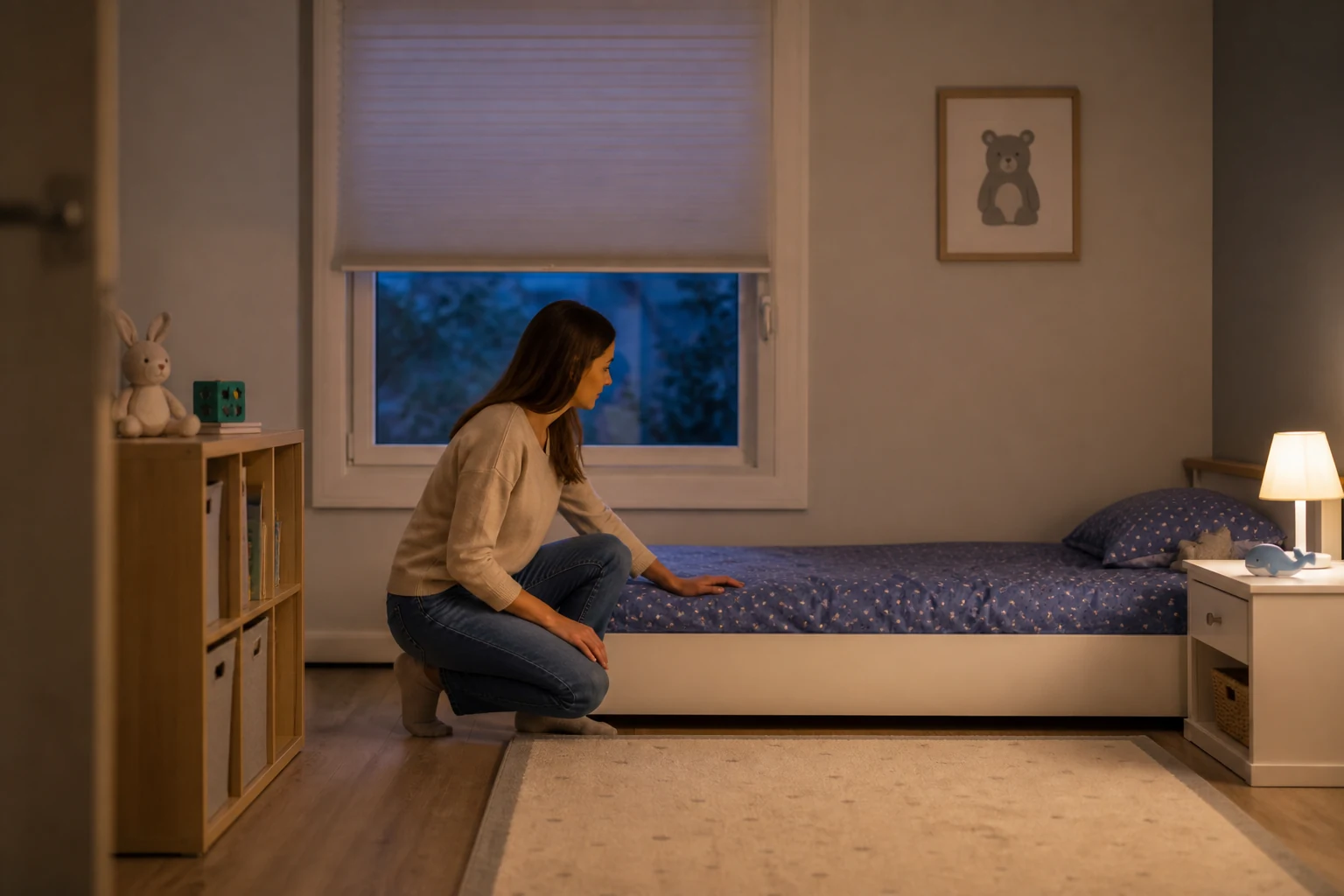
Calm nights, gentle mornings
Safe Sleep for 3- to 6-Year-Olds
Learn how to create a safer sleep space for your preschooler, reduce common hazards, and respond calmly to nighttime challenges without relying on sleep training or restrictive methods.
General Information: General information only; it may vary from child to child. Talk to your doctor or a specialist before making decisions.
In short
- A safe sleep space is more than a bed—it’s a hazard-checked room with predictable routines and calm supervision.
- Stable beds, guardrails, and anchored furniture reduce falls and entrapment risks for preschoolers.
- Nighttime challenges like toileting or nightmares are normal; respond with patience, not pressure.
- Local emergency and child-health support are essential for immediate dangers like smoke, gas, or poisoning.
Lumiya Editorial TeamBased on 6 sourcesOur editorial standards
Why safe sleep for preschoolers isn’t just for babies
Sleep routines for 3- to 6-year-olds are different from infant sleep guidance. At this age, children are active explorers who may climb out of beds, leave their rooms, or resist staying in one place. A safer sleep space for preschoolers means a hazard-checked room, predictable routines, and calm supervision—not a return to infant sleep rules.

A safe sleep space for preschoolers is about reducing hazards and preparing for normal nighttime behaviors. It does not promise risk-free sleep or replace local emergency support when needed.
According to the American Academy of Pediatrics, preschoolers need consistent, predictable routines to feel secure at bedtime. This includes winding down activities, a calm environment, and clear expectations about sleep time. The CDC notes that positive parenting at this stage supports emotional regulation, which can reduce bedtime resistance.
Build a stable sleep space: beds, guardrails, and anchors
Start with a bed that fits your child’s size and mobility. A low toddler bed or a mattress on the floor can work well for younger preschoolers, while older children may transition to a standard bed frame. If using guardrails, choose ones designed for preschoolers and attach them securely to the bed frame. Check that the mattress fits snugly to prevent gaps where a child could become trapped.

Guardrails should be high enough to prevent falls but not so high that they create a climbing hazard.
Anchor heavy furniture like dressers, bookshelves, and TV stands to the wall to prevent tipping. The World Health Organization highlights that falls are a leading cause of injury in young children, so securing furniture is a simple step with big benefits. If your child shares a room with a sibling or baby, keep their sleep spaces separate and follow local guidance for each age group.
Scan the room: cords, chemicals, and hidden dangers
Check the room for accessible blind cords, electrical cables and curtain ties. Prefer cordless window coverings, and position beds and climbable furniture away from windows. Store medicines, vitamins, cleaning products and alcohol in locked storage out of children's reach; height alone is not a substitute for a lock.
If you suspect poisoning or exposure to chemicals, call your local poison control center or seek medical help immediately.
Check for heaters, radiators, or hot objects near the sleep area. Use barriers or reposition furniture to keep these out of reach. Ensure smoke alarms and carbon monoxide detectors are installed and tested regularly. The American Academy of Pediatrics recommends having working alarms on every level of your home and inside bedrooms.
Prepare for nighttime challenges without pressure
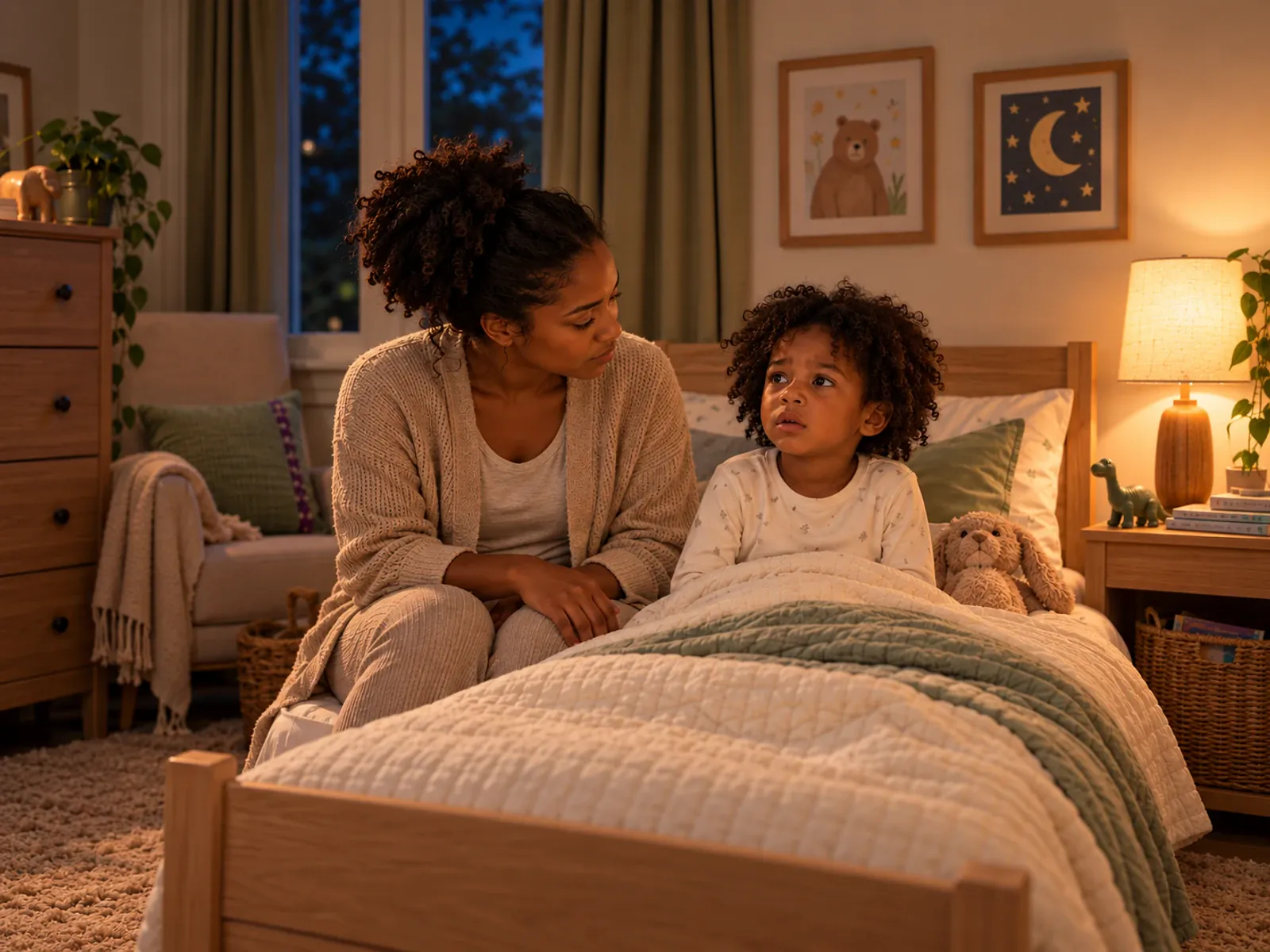
Preschoolers may wake up for toileting, nightmares, or simply because they’re not ready to sleep. Respond with patience and consistency. If your child needs to use the bathroom, keep the path to the toilet clear and use nightlights to reduce fear of the dark. Avoid shaming or forcing them back to bed; instead, offer reassurance and a calm return to sleep.
Nightmares are common in preschoolers and often reflect their daytime experiences. Comfort your child without over-explaining the dream or introducing new fears.
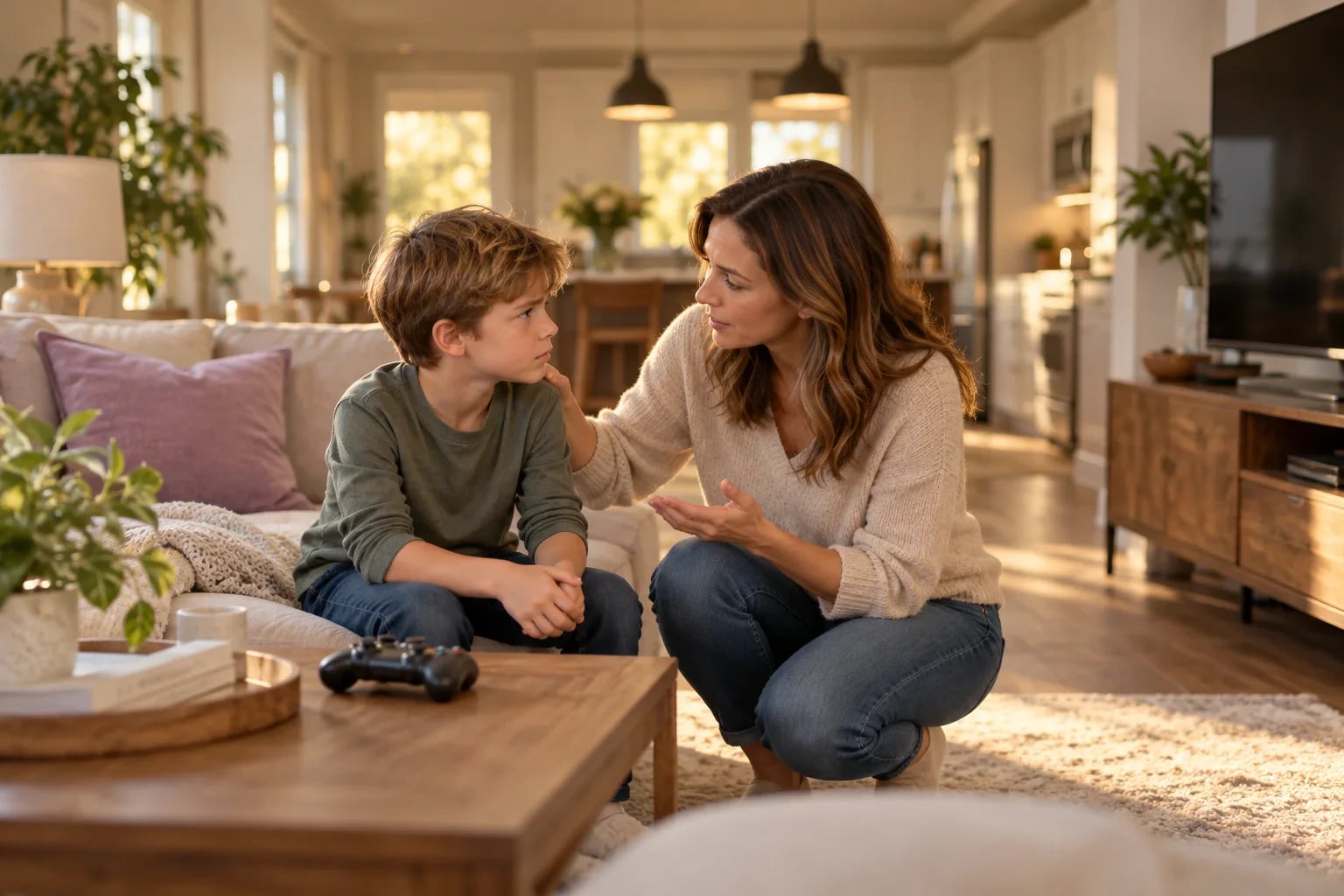
If your child leaves their room, gently guide them back without scolding. You can say, “It’s still sleep time. Let’s go back together.” If this happens often, review your bedtime routine for predictability. The CDC suggests that consistent routines help children feel secure and reduce resistance at bedtime.
Travel, shared rooms, and flexible sleep plans
When travelling or sharing a room, give each child an age-appropriate sleep space and keep routes between beds clear. Do not assume a portable bed rail fits a hotel bed: check the manufacturer's compatibility and fitting instructions, including mattress gaps. Children younger than six should not use the upper bunk.
Flexibility is key. A sleep plan should work for your family, not the other way around.
Avoid rigid bedtimes or sleep training methods that may increase stress. Instead, focus on a calm, predictable routine that signals it’s time to wind down. The American Academy of Pediatrics notes that preschoolers thrive on consistency, but every child is different—adjust as needed.
Room-check table: hazards, fixes, and follow-ups
This table is an example worksheet, not a record of an inspection of your home. Replace the examples with observations from your own room and enter the responsible adult and actual check date.
Choose cordless window coverings where young children are present. Tying up cords or using tension devices does not remove the strangulation hazard. Keep beds and climbable furniture away from windows and window-covering cords.
| Hazard or location | Who can reach it? | Current protection | One practical change | Responsible adult | Your check date |
|---|---|---|---|---|---|
| Window blind cords | Child climbing on furniture | Accessible cords | Choose cordless window coverings; do not rely on tying up cords | Parent | Fill in |
| Top dresser drawer | Child standing on bed | No locks | Move cleaning supplies to locked cabinet | Caregiver | Fill in |
| Bed guardrail | Child climbing over | Loose attachment | Check compatibility and installation instructions; do not add improvised padding | Parent | Fill in |
| Electrical outlet near bed | Child with toys | No cover | Install tamper-resistant outlet covers | Parent | Fill in |
| Heater under window | Child reaching up | No barrier | Follow the manufacturer's clearance and protection instructions | Parent | Fill in |
Use this table to track hazards in your child’s sleep space. Assign a responsible adult to make changes and set a review date. Small adjustments can make a big difference in safety.
When to seek help: red flags and local support
Most nighttime challenges are normal, but some signs require immediate attention. If your child shows breathing difficulty, unusual skin color, reduced responsiveness, or signs of poisoning, contact local emergency services or child-health support right away. Severe pain, a serious fall, or any situation where you feel unsafe also warrants professional help.
Trust your instincts. If something feels wrong, it’s better to check with a healthcare provider.
For ongoing issues like frequent nightmares or bedtime resistance, reach out to your pediatrician or a child development specialist. The CDC and American Academy of Pediatrics emphasize that positive parenting and predictable routines can reduce many common sleep challenges.
Keep it simple and stay calm
Safe sleep for preschoolers is about reducing risks where you can and responding with patience where you can’t. Focus on a stable bed, a hazard-checked room, and a calm routine. Avoid pressure or restrictive methods—your child’s sleep will improve with consistency, not control.
A safe sleep space is one part of a larger picture: a home where hazards are managed, routines are predictable, and your child feels secure.
Review your child’s sleep space regularly and adjust as they grow. With small, consistent steps, you can create a safer environment that supports restful sleep for the whole family.
General Information: This content offers general information based on expert sources. Every child, family and situation is different, so what is described here may vary from person to person. Talk to your doctor or a qualified specialist before making decisions about your child.
Was this article helpful?
This topic at other agesSleep & Rest
Tools for this Age
- Baby percentile calculatorWhere does your child's weight and height sit among children the same age? See it in seconds on the WHO growth curves.
- Baby and child sleep scheduleHow much should your child sleep in 24 hours, and when should bedtime be? Calculate it from official guidance and compare it with your own log.
- Potty training chartWhen to start and how to prepare? A roadmap by age, a daily routine and a printable reward chart.
- Baby milestones by monthCheck off what most children your child's age can do, and talk about the rest with your doctor.
- Baby vaccine schedulePick your country, enter the birth date, and see the official schedule as your own dates.
- Screen time by ageSee how much screen time a day your country's official body recommends at your child's age; add daily use to compare it with the advice.
Checklist
Popular Topics
Frequently Asked Questions
- 1
- 2
- 3
- 4
References & Further Reading
- 1
- 2
- 3
- 4
- 5
- 6
Editorial Note
Safe sleep for preschoolers focuses on reducing hazards and preparing for normal nighttime behaviors. It is not the same as infant safe-sleep guidance and does not promise risk-free sleep. If you notice smoke, gas, breathing difficulty, unusual color, reduced responsiveness, poisoning, serious injury, severe pain, or any immediate danger, contact local emergency or child-health support right away.