 lumiya.com.tr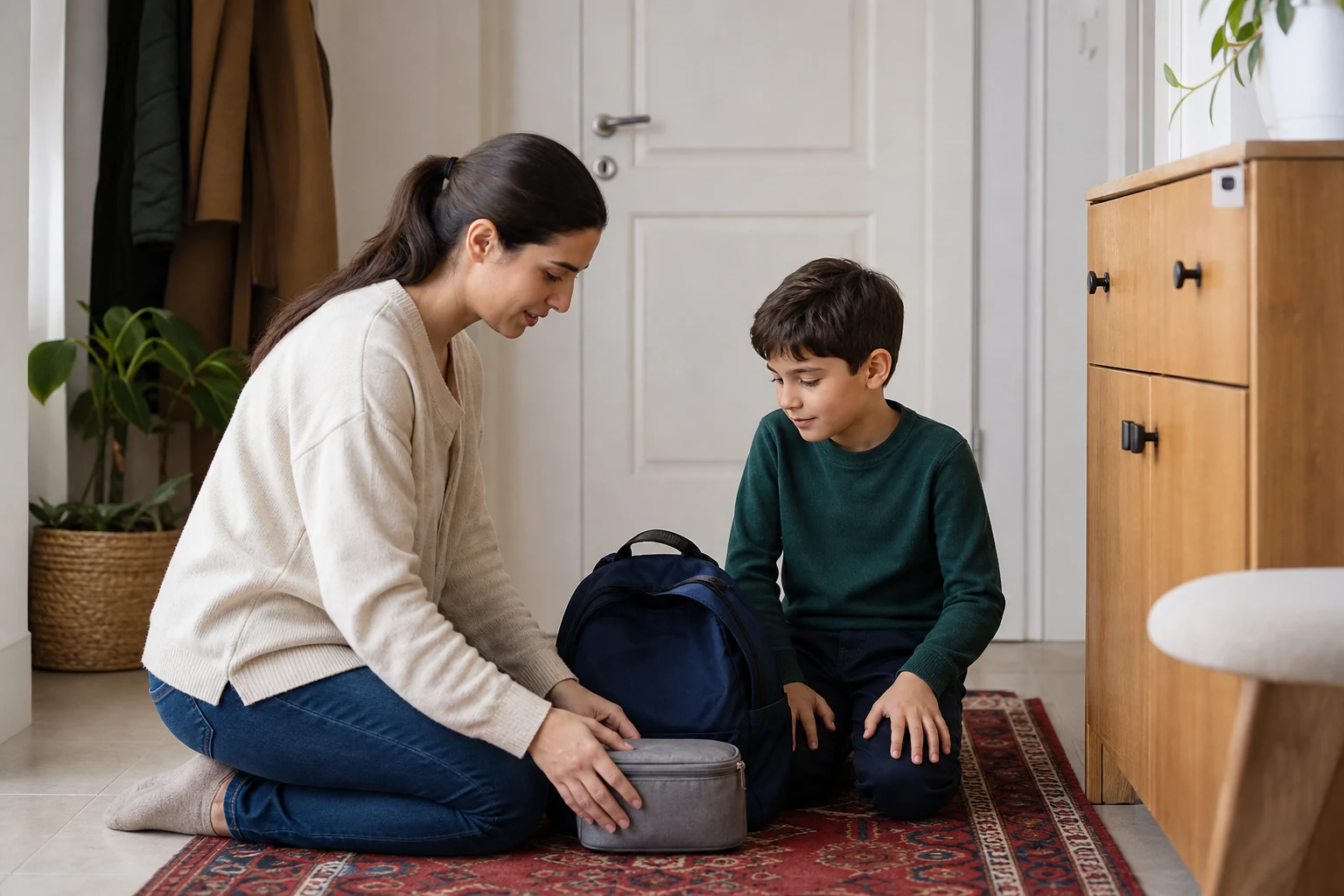
Learning begins with curiosity
Preschool Adjustment: A Gentle Guide for Families of 3–6-Year-Olds
A practical, research-backed roadmap to help children aged 3–6 transition smoothly into preschool routines, routines, and relationships without pressure or performance demands.
General Information: General information only; it may vary from child to child. Talk to your doctor or a specialist before making decisions.
In short
- Preschool adjustment is a gradual relationship and routine transition, not a readiness test or quick separation.
- Build familiarity through short, predictable visits and calm goodbyes before the first full day.
- Prepare routines at home—sleep, clothing, toileting, and communication—to match the school’s rhythm.
- Use simple, honest explanations and comfort objects to ease uncertainty without overpromising.
Lumiya Editorial TeamBased on 4 sourcesOur editorial standards
Why preschool adjustment isn’t a race
Preschool adjustment is less about a single “ready” moment and more about building a gentle rhythm between home and school. For children aged 3–6, the goal is to help them feel safe exploring new routines, relationships, and spaces—not to master separation overnight. Research from the U.S.

A child’s first weeks may include tears or clinginess at drop-off. This is not failure; it’s a sign they’re learning to trust new caregivers and routines.
Parents often wonder if their child is “behind” or “ahead” in adjustment. Instead of comparing, observe how your child recovers after goodbyes, participates in activities, and reconnects with you at pickup. If they’re eating, sleeping, and engaging in play most days, they’re likely on track.
Build familiarity before the first full day
Short, low-pressure visits can ease the transition. Many preschools welcome families for a 30-minute play session or a “meet the teacher” event before enrollment. Use this time to let your child explore the space while you stay nearby.

Keep visits brief and positive. If your child resists, shorten the time or try again another day—there’s no need to force it.
At home, practice small routines that mirror school: wearing a backpack during play, sitting for a “snack time” with a timer, or using a visual schedule to show what comes next. These tiny repetitions build confidence without pressure.
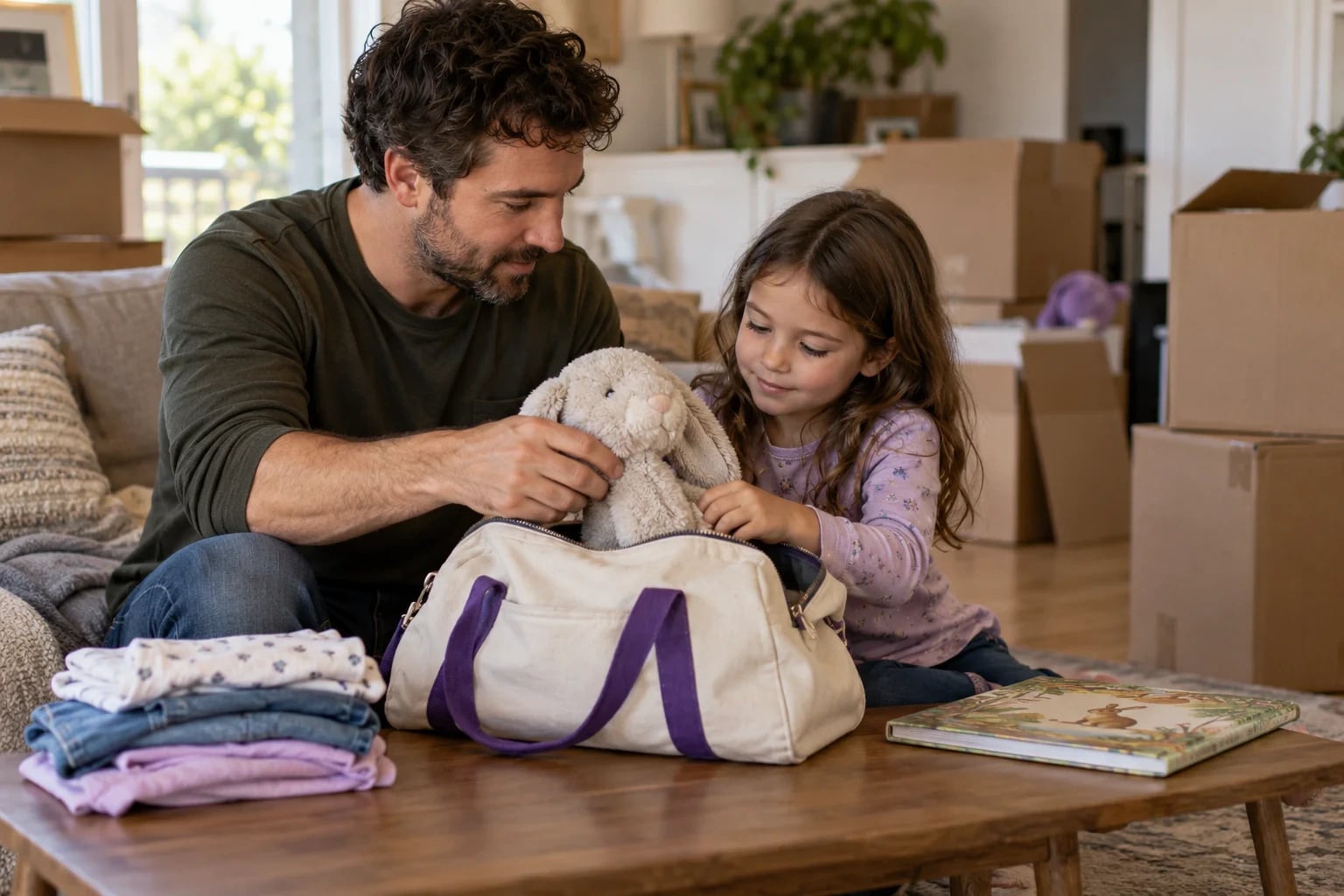
If your child uses a comfort object—like a small stuffed animal or a family photo—let them bring it during visits. Check with the school first to ensure it’s allowed. These objects can bridge home and school, especially for children who are still learning to self-soothe.
Morning and goodbye routines that stick
A calm morning sets the tone for the day. Start with a predictable sequence: wake up, wash hands, eat breakfast, brush teeth, and put on shoes. Use a visual chart with pictures if your child is still learning to read.
At drop-off, aim for consistency. A short, warm goodbye—“I’ll see you after lunch”—is more helpful than drawn-out goodbyes or sneaking away. If your child cries, reassure them with your presence: “I know it’s hard to say goodbye.
If your child struggles with goodbyes, practice at home: “Let’s say goodbye to your stuffed bear. See you later, Bear!” This playful approach can make goodbyes feel less final.
For families with varying schedules—like shift work or shared custody—coordinate with the school to find a consistent drop-off time. If mornings are chaotic, try preparing the night before: lay out clothes, pack the backpack, and set out breakfast items. Small preparations reduce morning stress for everyone.
Sleep, clothing, and toileting: the practical foundation
Preschools thrive on routines, and sleep is the cornerstone. Most 3–6-year-olds need 10–12 hours of sleep at night plus a nap or quiet rest time during the day. Start adjusting bedtime 1–2 weeks before school begins to align with the school’s schedule.
Clothing matters too. Choose easy-to-remove items like elastic waistbands or Velcro shoes. Label every piece with your child’s name to avoid mix-ups. If your child is still learning to dress themselves, practice at home with buttons, zippers, and socks.
Toileting readiness varies widely. Most preschools expect children to communicate their needs and use the toilet with minimal assistance. If your child is still in pull-ups, let the teacher know and pack extras.
| Routine | Home Practice | School Tip |
|---|---|---|
| Sleep | Set bedtime 1–2 weeks early; use a wind-down routine | Ask about nap time and quiet rest options |
| Clothing | Practice buttons, zippers, and shoes; label everything | Choose easy-to-remove layers for outdoor play |
| Toileting | Use simple terms; pack pull-ups if needed | Share any toileting plans or sensitivities with the teacher |
| Eating | Practice using utensils and sitting for 10–15 minutes | Ask about snack times and food preferences |
Communication that bridges home and school
Two-way communication keeps you and the teacher aligned. Start with a simple plan: share a brief note or app message at drop-off about how your child slept, ate, or any concerns.
Avoid interrogating your child after school: “What did you do? Who did you play with?” Instead, try open-ended questions: “Tell me about your day. What was the most fun part?”
If your child is multilingual, ask the teacher to use simple phrases in both languages during the day. For example, if your child speaks Spanish at home, the teacher might say “Tiempo de merienda” during snack time. This reinforces learning without overwhelming them.
For families with limited English proficiency, ask the school about translation services or bilingual staff. Many preschools have tools like translation apps or picture schedules to support communication.
When to seek extra support
Most children adjust within a few weeks, but some need more time. Watch for signs that go beyond typical uncertainty: sustained refusal to eat or sleep, unexplained injuries, or a child who seems unable to participate in activities or recover from distress.
Trust your instincts. If something feels off, it’s better to ask than to wait.
For children with disabilities or neurodivergent needs, work with the school to create an individualized plan. This might include visual schedules, sensory breaks, or social stories about school routines. The goal is to adapt the environment to your child’s strengths, not to force them to fit a mold.
Safeguarding concerns—like unexplained injuries or reports of bullying—require immediate action. Contact the preschool director or your local child protection service if you have any doubts. In emergencies, call 911.
A calm reunion every afternoon
Pickup is just as important as drop-off. Aim to arrive a few minutes early to avoid rushing. Greet your child warmly but avoid overwhelming them with questions or excitement. A simple “I missed you” and a hug can be enough.
Let your child lead the reunion. Some children need quiet time first; others want to tell you everything at once.
If your child is tired or overwhelmed, offer a snack or a short rest before asking about their day. For multilingual children, use the language they’re most comfortable with to reconnect. This reinforces their sense of safety and belonging.
At home, keep the evening calm. Avoid screen time close to bedtime and stick to your wind-down routine. If your child is still adjusting, consider a quiet activity like coloring or reading together. This signals that the day is ending and sleep is near.
Small steps, steady progress
Preschool adjustment isn’t a sprint—it’s a gentle unfolding of trust between your child, you, and their new teachers. Focus on routines, communication, and patience. Celebrate small wins: a successful goodbye, a full day of participation, or a happy reunion.
Every child’s journey is unique. What works for one may not work for another—and that’s okay.
By preparing at home, staying connected to the school, and trusting the process, you’re giving your child the best foundation for a positive preschool experience. Adjustment takes time, but with consistency and care, it becomes just another part of their growing up.
General Information: This content offers general information based on expert sources. Every child, family and situation is different, so what is described here may vary from person to person. Talk to your doctor or a qualified specialist before making decisions about your child.
Was this article helpful?
This topic at other agesSchool & Learning
Tools for this Age
- Baby percentile calculatorWhere does your child's weight and height sit among children the same age? See it in seconds on the WHO growth curves.
- Baby and child sleep scheduleHow much should your child sleep in 24 hours, and when should bedtime be? Calculate it from official guidance and compare it with your own log.
- Potty training chartWhen to start and how to prepare? A roadmap by age, a daily routine and a printable reward chart.
- Baby milestones by monthCheck off what most children your child's age can do, and talk about the rest with your doctor.
- Baby vaccine schedulePick your country, enter the birth date, and see the official schedule as your own dates.
- Screen time by ageSee how much screen time a day your country's official body recommends at your child's age; add daily use to compare it with the advice.
Checklist
Popular Topics
Frequently Asked Questions
- 1
- 2
- 3
- 4
Editorial Note
If your child shows sustained inability to eat, sleep, participate, or recover from distress, or if you notice unexplained injuries or safeguarding concerns, contact your local preschool educator, health visitor, or safeguarding service immediately. In emergencies, call 911.