
 lumiya.com.tr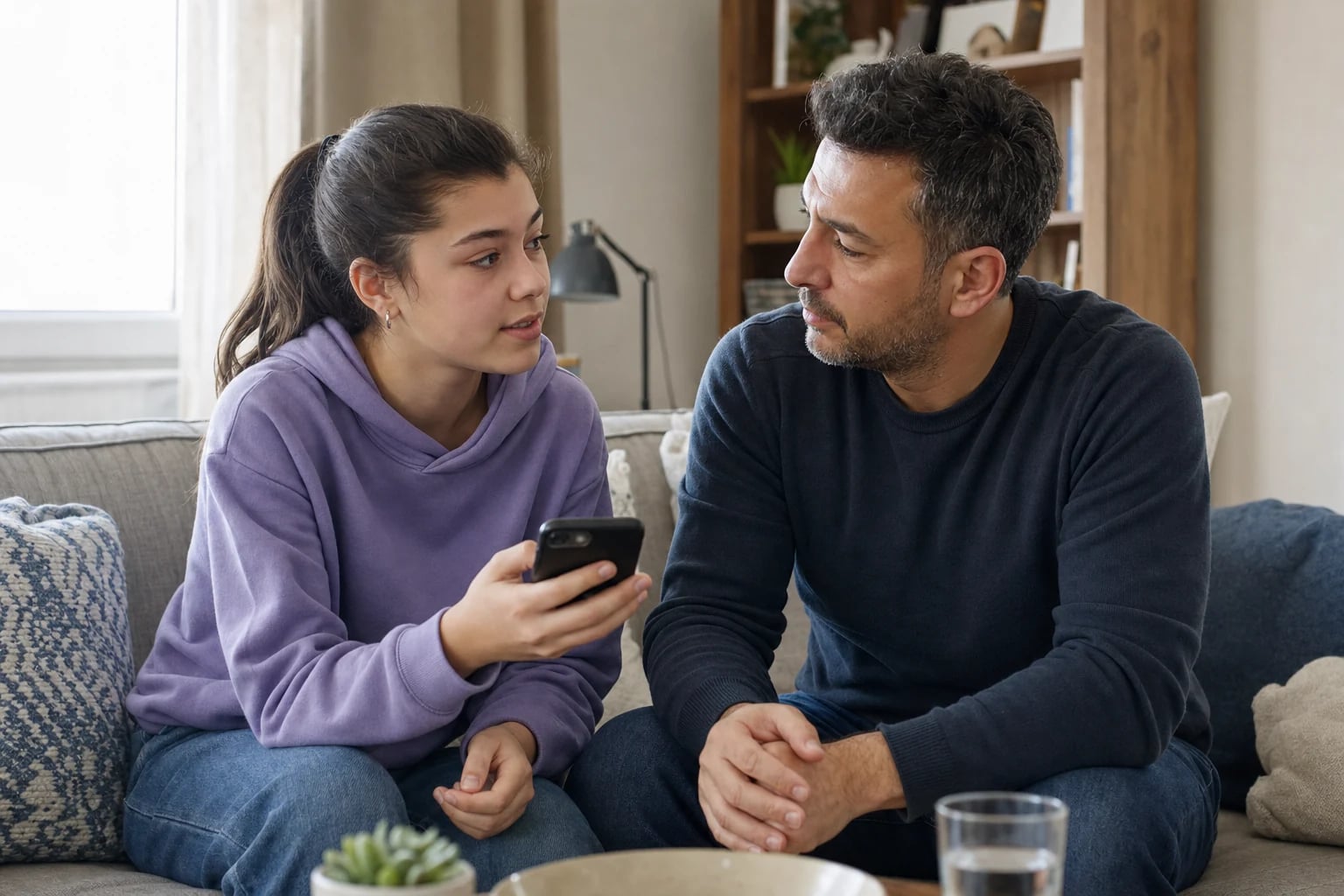
A healthy balance with screens
Cyberbullying: What to Do If Your Child or Teen Is Targeted (Ages 6–18)
Learn how to recognize, respond to, and prevent cyberbullying for children and teens aged 6–18. Discover practical steps to support your child’s safety and emotional well-being in digital spaces.
General Information: General information only; it may vary from child to child. Talk to your doctor or a specialist before making decisions.
In short
- Cyberbullying is repeated harmful behavior online that can include exclusion, threats, or sharing private content without consent.
- Listen without judgment, assess immediate risks, and preserve evidence while involving your teen in decisions.
- Use platform tools to block or report abuse and coordinate with schools when necessary.
- Address harm caused, witnessed, or experienced with accountability and repair, not retaliation.
Lumiya Editorial TeamBased on 4 sourcesOur editorial standards
This guide covers ages 6 to 18. It focuses on the teenage years, with a separate section for younger, primary-school-age children (6–12).
What Cyberbullying Looks Like for Teens
Cyberbullying isn’t a single unkind message—it’s a pattern of behavior that can include exclusion, harassment, impersonation, spreading rumors, sharing private images without consent, threats, or discriminatory abuse. It can happen across messaging apps, social media, gaming platforms, or even school networks. For teens aged 12–18, digital spaces are central to their social lives, making these interactions feel inescapable.

A teen might receive a flood of messages after posting a photo, or their gaming account could be targeted with slurs during a match. These aren’t just one-off incidents; they’re repeated attempts to undermine confidence or isolate someone.
The harm isn’t limited to words. Non-consensual sharing of private images or videos can feel like a violation of trust and safety. Teens may also face pressure to conform, whether through group chats or social media challenges that cross into bullying. Recognizing the difference between a conflict and a pattern of harm is key—conflicts resolve, but cyberbullying often escalates.
How to Respond If Your Teen Is Harmed Online
Your first response sets the tone. Listen without interrupting or blaming. Thank your teen for sharing—this isn’t always easy for them. Ask open-ended questions like, "What happened next?" or "How did that make you feel?" to understand the full picture without leading their answers.
Next, assess immediate risks. If your teen is threatened with violence, self-harm, or sharing of explicit images, act quickly. Preserve evidence by taking screenshots or saving messages privately—avoid forwarding them, which could violate privacy or escalate the situation. Use the platform’s block and report tools, but don’t rely on them alone. Schools and platforms often need clear documentation to take action.

Avoid punishing your teen by taking away their device entirely. This can isolate them further and make it harder for them to seek help. Instead, work together to secure their accounts and adjust privacy settings.
Involve your teen in decisions unless their safety is at risk. If you need to contact the school or platform, explain your plan to your teen first. Transparency builds trust and helps them feel supported, not controlled.
When Your Teen Is the One Causing Harm
Cyberbullying isn’t always directed at your child—sometimes they’re the ones involved. If you learn your teen has harmed others online, address it calmly but firmly. Start by asking what happened and why, without assuming malice. Teens may not realize the impact of their actions or could be repeating behaviors they’ve seen elsewhere.
Set clear expectations about respect and accountability. Discuss how words and images online can’t be erased and may affect others long-term. If the behavior is part of a larger pattern, consider involving a school counselor or mental health professional to explore underlying issues like peer pressure or emotional regulation.
Repair matters more than punishment. Encourage your teen to apologize sincerely, delete harmful content, and take steps to make amends—like speaking to the affected person privately if appropriate.
Monitoring their accounts without their knowledge rarely works. Instead, foster an environment where they feel comfortable coming to you if they make a mistake. This builds trust and reduces the likelihood of secrecy.
Preventing Cyberbullying Before It Starts
Prevention starts with conversations, not controls. Talk about digital empathy—how their words might feel to someone else. Discuss the permanence of online actions and the importance of consent, even in group chats. Role-play scenarios where your teen practices responding to unkind messages or standing up for others.
Teach them how to use privacy settings on each platform they use. Many teens don’t realize their posts are visible to strangers or that location data can be shared unintentionally. Encourage them to review their friend lists regularly and to mute or unfollow accounts that make them uncomfortable.
Schools and communities play a role too. Many U.S. schools have anti-bullying policies that include cyberbullying, even when it happens outside school hours. Ask about the school’s approach to digital safety and how they handle reports. Some schools partner with organizations like the U.S. Federal Trade Commission’s Heads Up program to educate students about online risks.
| Platform | Common Risks | Safety Tools |
|---|---|---|
| Public comments, story screenshots | Restrict, mute, or block accounts | |
| Snapchat | Screenshots, group chats | Ghost mode, privacy settings |
| Discord | Voice chats, server raids | Server moderation, user blocking |
| TikTok | Viral challenges, duets | Comment filters, restricted mode |
| Gaming (e.g., Fortnite) | In-game voice chat, lobby harassment | Mute players, report abuse |
Encourage your teen to take breaks from social media if they’re feeling overwhelmed. The constant connectivity can blur the line between socializing and stress. Help them find offline activities that build confidence and reduce reliance on digital validation.
Primary school age (6–12): when a younger child is targeted
Cyberbullying doesn’t start with the teenage years. Children aged 6–12 can also face mocking messages in game chats and class groups, being deliberately left out of a group, an embarrassing picture being shared, or a fake account set up in their name. At this age, what happens online is rarely separate from school: exclusion that starts in class can carry on online in the evening.
When a younger child tells you:
- Thank them, don’t blame them. Say “Telling me was the right and brave thing to do”; make clear it isn’t their fault and that you’ll sort it out together. They don’t need the right word for it—“That didn’t feel good” is enough.
- Save the evidence first. Before deleting anything, keep screenshots showing the username, date, time and link; don’t pass the evidence around family group chats.
- Block, report and tell the school. Go through the platform’s block and report steps together; if classmates are involved, let the teacher know.
- Don’t take the device away as a punishment. A short break may be needed, but taking the tablet away indefinitely can lead your child to hide the next incident.
If there is a physical threat, a shared address, sexual content, blackmail or talk of self-harm, don’t promise to keep it secret: get help straight away, as described in this guide.
When to Seek Help Beyond the Home
Some situations require more than a parent’s guidance. If your teen is targeted with threats, sexual exploitation, blackmail, stalking, or if they’re at risk of self-harm, contact local child protection services or emergency responders immediately. Schools and platforms have reporting pathways, but they’re not always equipped to handle urgent safety risks.
If your teen disappears or stops engaging online unexpectedly, treat it as a potential safeguarding concern. Contact authorities and the platforms they use to check for activity.
For ongoing support, school counselors or mental health professionals can provide strategies tailored to your teen’s needs. Organizations like UNICEF offer resources for teens and parents navigating digital harm, emphasizing that recovery isn’t linear and support should be tailored to the individual.
Building a Supportive Digital Environment
Cyberbullying thrives in silence. Create a family culture where digital struggles are discussed openly. Share your own experiences with online mistakes or regrets to normalize the conversation. Let your teen know they can come to you without fear of overreaction or punishment.
Set realistic boundaries together. Agree on screen-free times, like during meals or before bedtime, to encourage presence and reduce stress. Use parental controls judiciously—focus on guiding behavior rather than policing it.
Finally, model the behavior you want to see. Avoid sharing sensitive information about others online, and think twice before posting or commenting in ways that could be misinterpreted. Teens learn by watching how adults navigate digital spaces.
Cyberbullying isn’t just a teen problem—it’s a community issue. By staying informed, communicating openly, and knowing when to seek help, you can help your teen navigate the digital world with confidence and resilience.
General Information: This content offers general information based on expert sources. Every child, family and situation is different, so what is described here may vary from person to person. Talk to your doctor or a qualified specialist before making decisions about your child.
Was this article helpful?
This topic at other agesDigital Life & Safety
Tools for this Age
- Baby and child sleep scheduleHow much should your child sleep in 24 hours, and when should bedtime be? Calculate it from official guidance and compare it with your own log.
- Screen time by ageSee how much screen time a day your country's official body recommends at your child's age; add daily use to compare it with the advice.
- Child Height Predictor & Genetic Target Height CalculatorHow tall will your child be as an adult? Enter both parents' heights to calculate the pediatric mid-parental target height and expected adult height range using the Tanner and AAP formulas.
Checklist
Popular Topics
Frequently Asked Questions
- 1
- 2
- 3
- 4
- 5
Editorial Note
Cyberbullying can escalate quickly and may involve legal or safety risks. If your teen is in immediate danger, contact local emergency services or child protection authorities. For ongoing support, consult school counselors or mental health professionals.