 lumiya.com.tr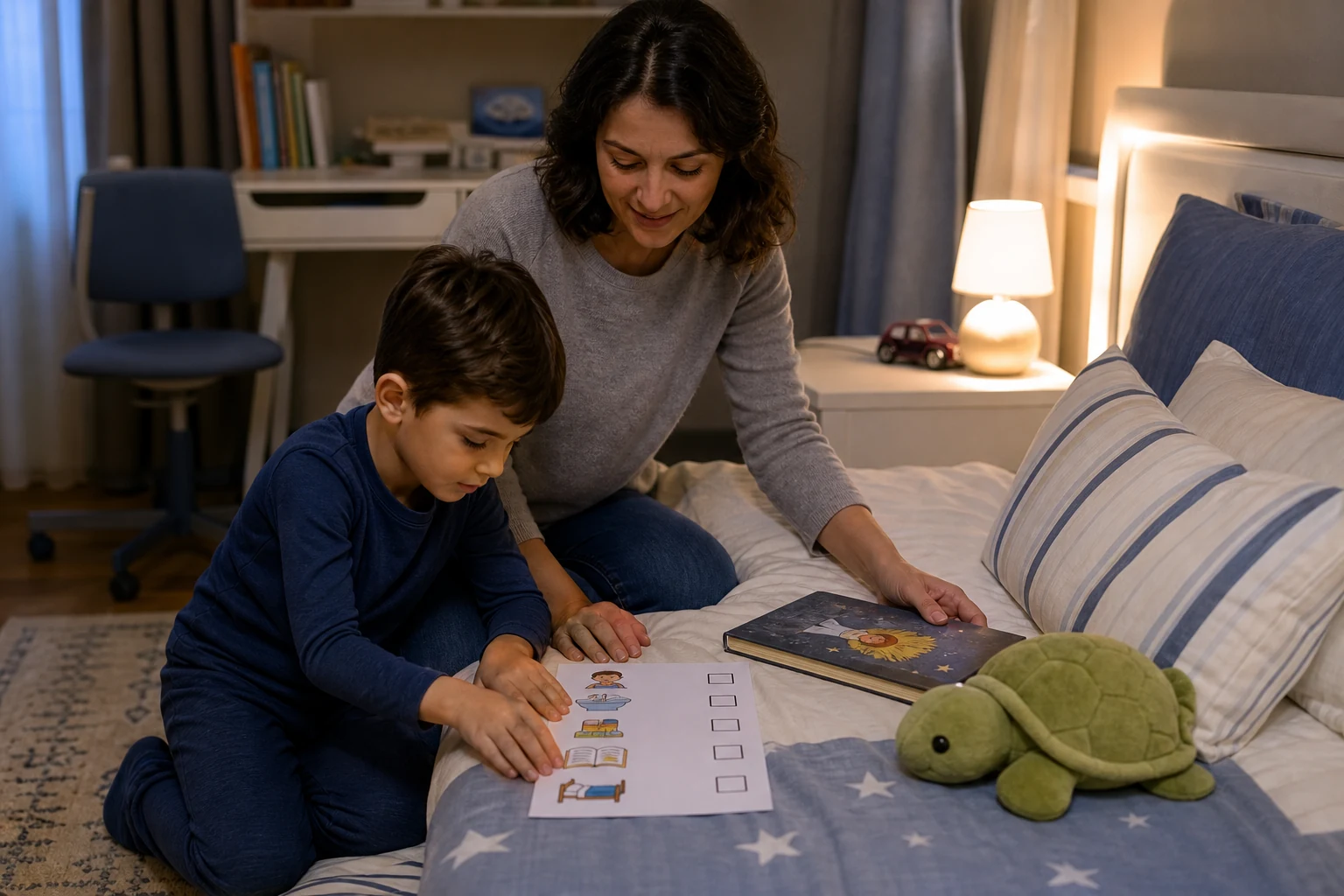
6–9 Years Sleep Guide: Practical Help for Tired Families
Learn how to spot common sleep difficulties in 6–9-year-olds, build a calm two-week observation plan, and make small, effective changes to help your child rest better without rigid rules or sleep training.
What sleep difficulties look like in 6–9-year-olds
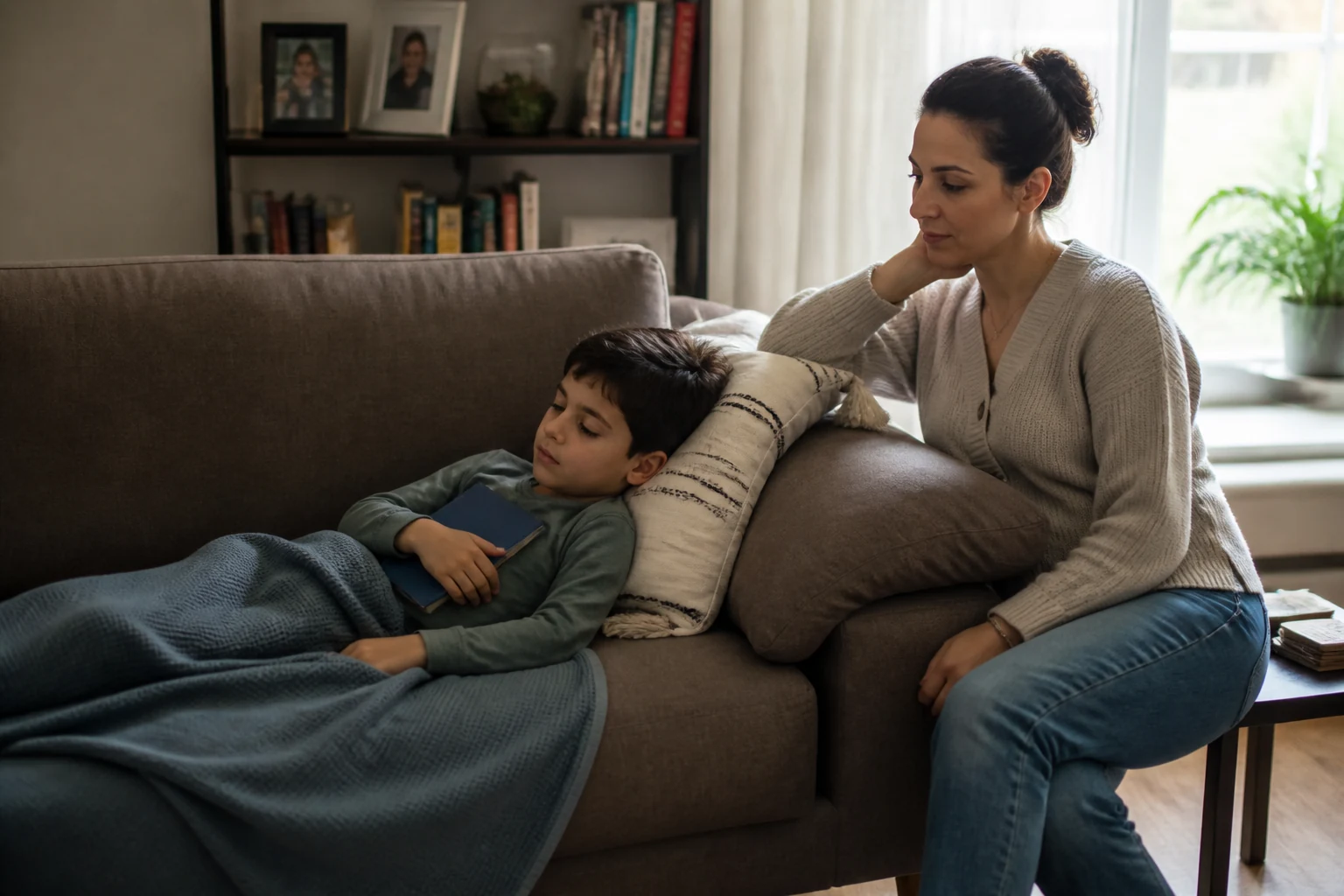
Sleep problems in this age group rarely point to a single cause. Instead, they show up as patterns that shift with routines, growth, and daily life. Some children take longer to settle at night, others wake once or twice and struggle to return to sleep, and a few wake very early and can’t fall back asleep.

Sleep isn’t just about hours; it’s about rhythm. Small shifts in timing, routine, or environment can ripple through the day.
These patterns aren’t diagnoses. They’re clues to observe before deciding what to change. If a pattern lasts most nights for more than two weeks and starts to affect school, mood, or family life, it’s worth tracking carefully and considering local support.
Build a calm two-week observation plan
A two-week log helps you see patterns without turning tracking into pressure. Keep it simple: note bedtime cues (lights out, routine steps), estimated sleep onset time, number and timing of night waking, wake-up time, morning function (alertness, mood), nap length and timing, evening caffeine exposure (soda, chocolate), evening stimulation (screens, rough play), physical activity level, recent illness, and any family changes.
The goal isn’t to collect perfect data; it’s to notice what’s working and what’s not. If your child resists writing or talking about sleep, try a sticker chart or verbal check-ins during a calm moment. Avoid screens right before logging to prevent overstimulation.
What to track and why
| What to track | Why it matters | Example notes |
|---|---|---|
| Bedtime cues | Predictable signals help the brain wind down | Lights dimmed at 7:45 PM, story at 8:00 PM |
| Estimated sleep onset | Helps spot if timing is too early or too late | Asleep by 8:30 PM most nights |
| Night waking | Frequent waking may signal discomfort or habit | Woke once at 11:15 PM, back asleep by 11:30 PM |
| Wake-up time | Early waking can reflect circadian timing or anxiety | Woke at 6:15 AM on school days, 7:30 AM on weekends |
| Morning function | Daytime alertness shows if sleep is restorative | Alert at breakfast, no yawning before school |
| Nap timing/length | Afternoon naps may still be needed for some | 45-minute nap at 3:30 PM on Saturday |
| Evening caffeine | Even small amounts can delay sleep | One chocolate bar after dinner |
| Evening stimulation | Rough play or screens can overheat the brain | 30 minutes of quiet drawing before bed |
| Physical activity | Daily movement supports deeper sleep | Soccer practice at 4 PM, bike ride at 6 PM |
| Recent illness | Colds or allergies can disrupt breathing and rest | Congestion last week, snored loudly |
| Family changes | Stressors like moves or new siblings matter | New pet arrived two weeks ago |
Make one small change at a time
After two weeks, look for one modifiable factor to adjust. Common starting points include wind-down timing, evening screen limits, caffeine timing, or physical activity timing. Change only one thing at a time and give it a full week to show an effect before reassessing. If resistance grows, pause and try a different factor.
Predictable wind-down routines work best. A calm sequence—dim lights, quiet activity, bathroom routine, story, lights out—signals the brain that sleep is coming. Keep the order consistent even if timing shifts slightly. If your child needs autonomy, offer choices within limits: “Do you want the dinosaur book or the space book tonight?”
Age-appropriate autonomy in routines
Children this age thrive when they have some control. Offer two or three options for each step: pajama color, story choice, or quiet activity before bed. Avoid open-ended questions like “What time should we go to bed?” Instead, frame it as “We’re aiming for lights out at 8:15 PM tonight—do you want to start the routine at 7:45 or 7:50?” This builds cooperation without giving up consistency.

Routines aren’t rigid; they’re rhythms. Small, predictable steps help the brain shift from play to rest.
If your child resists the wind-down, check for hidden factors: Are screens still on? Is the room too warm or too bright? Is there unresolved worry from the day? Addressing one of these may reduce resistance more than pushing the routine itself.
When to seek local professional support
Most sleep patterns in 6–9-year-olds improve with small routine tweaks and time. But some signs need timely local assessment. Persistent loud snoring, breathing pauses, blue colour around lips or fingertips, unusual movements during sleep, pain, or injury risk are red flags. Marked daytime sleepiness—like falling asleep during quiet activities or struggling to wake—also warrants attention, especially if it’s new or worsening.
Regression—like sudden bedwetting after months of dry nights—can signal stress or medical changes. Sustained school or family impairment, such as falling grades, frequent conflicts, or caregiver safety concerns, deserves professional evaluation. Trust your instincts; if something feels off, it’s worth discussing with your pediatrician or local sleep specialist.
Daytime function matters as much as nighttime rest
Sleep and daytime energy are deeply connected. If your child is yawning at breakfast, dozing off during quiet activities, or struggling with focus at school, note these alongside your sleep log. Share your observations with teachers or school nurses—they may have noticed similar patterns during the day.
Collaboration between home and school helps rule out other causes, like vision changes or learning differences, that can mimic sleepiness. Ask if your child seems unusually tired or irritable during the day, or if they’re falling behind in quiet tasks. This shared view can guide next steps without jumping to conclusions.
Keep routines flexible and kind
Routines aren’t about perfection; they’re about predictability. If a late sports practice pushes bedtime later, adjust the wind-down without guilt. If illness disrupts sleep for a week, return to the routine when everyone is well. Small setbacks are normal; consistency over time matters more than a single perfect night.
Avoid punitive approaches like time-outs for sleep struggles. Instead, focus on collaboration: “Let’s try the new wind-down for a week and see how it feels.” If frustration builds, pause and revisit your plan together. Sleep improves when children feel safe and supported, not when routines feel like rules.
Safety first: know the red flags
Trust your instincts about your child’s safety. If you witness breathing pauses, blue colour, or unusual movements during sleep, seek local professional assessment promptly. For breathing or safety danger—like choking or severe distress—call emergency services immediately. Sleep difficulties can sometimes mask underlying issues, and early support makes a difference.
Small steps, steady progress
Sleep patterns in 6–9-year-olds often shift with growth, school demands, and family life. A calm two-week observation, one small change at a time, and predictable routines can restore balance without rigid rules. If patterns persist or worsen, local professionals can help sort out what’s happening and what to try next.
"Health Disclaimer: This content is provided for general informational purposes only and does not constitute personal medical advice, diagnosis, or treatment. Always seek the advice of a qualified health professional with any questions you may have regarding your health or your child's health."
Was this article helpful?
Fast Summary
- Sleep problems in 6–9-year-olds often look like difficulty settling, night waking, early waking, or daytime sleepiness rather than a single diagnosis.
- Track bedtime cues, sleep onset, waking, naps, evening routines, and daytime function for two calm weeks without turning the log into surveillance.
- Change one modifiable factor at a time—like wind-down timing or evening screen limits—while keeping routines predictable and age-appropriate.
- Persistent loud snoring, breathing pauses, blue skin, unusual movements, pain, or marked daytime sleepiness require timely local professional assessment.
Tools for this Age
Checklist
Popular Topics
This topic at other ages· Sleep
Frequently Asked Questions
- 1
Show 3 moreCollapse
- 2
- 3
- 4
Editorial Note
This guide is for informational support and does not replace local medical advice. If your child shows breathing pauses, blue colour, unusual movements, pain, injury risk, marked daytime sleepiness, regression, sustained school or family impairment, or caregiver safety concerns, seek timely local professional assessment. For breathing or safety danger, call emergency services.