 lumiya.com.tr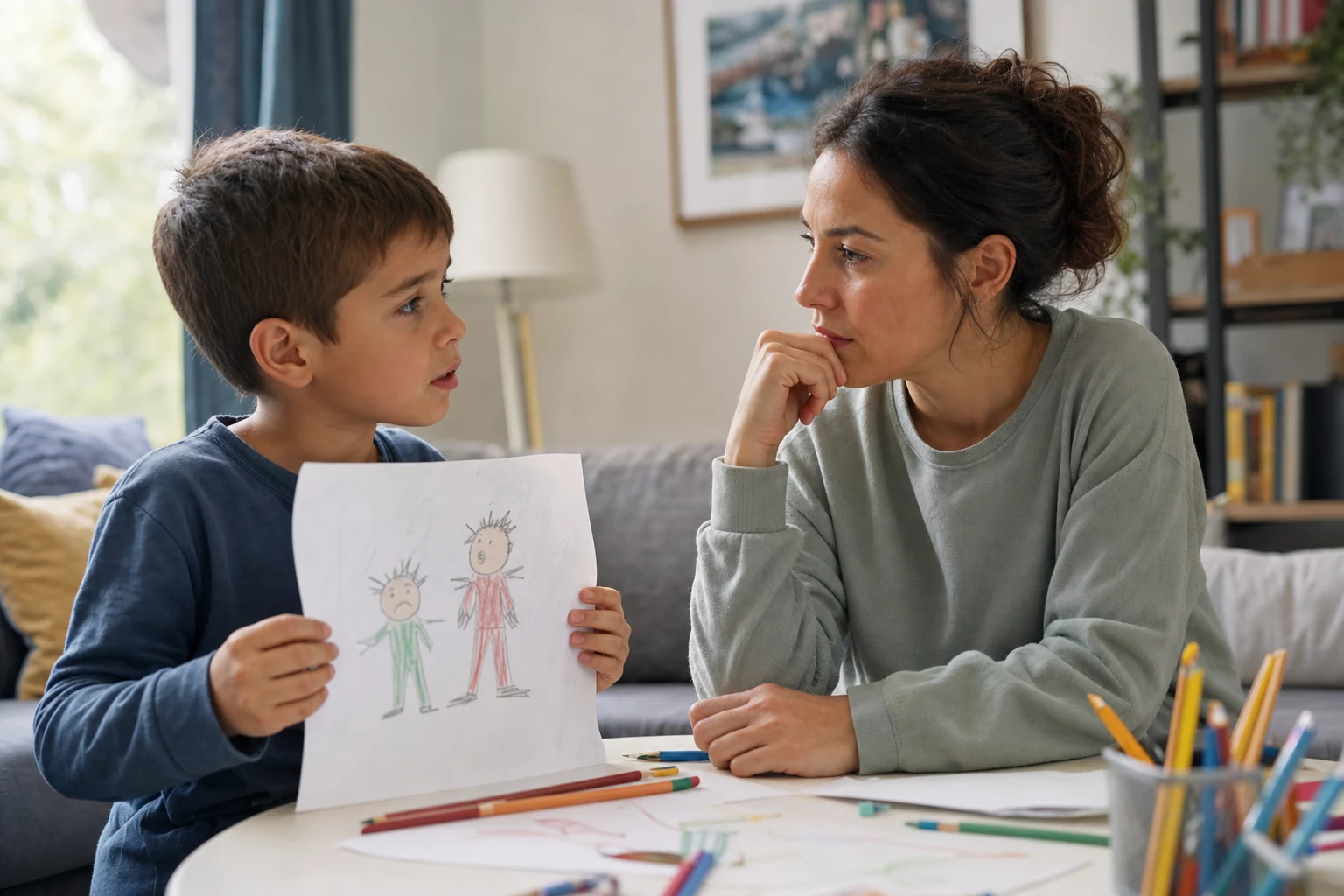
3–6 Years Behavior: A Practical Guide for Caregivers
Preschoolers often act out because their skills are still growing. Learn how to guide everyday moments with simple tools that work for families.
Preschoolers are still learning how to manage big feelings, follow routines, and get along with others. When a three-, four-, or five-year-old pushes, yells, or clings, it’s rarely about defiance.
What’s really going on when preschoolers act out
Preschool behavior often reflects the demands of the moment clashing with a child’s still-developing abilities. Language is still expanding, so frustration can spill into grabbing or loud protests.

The goal isn’t to eliminate every tough moment but to recognize when a child’s actions are signaling an unmet need rather than a lack of respect.
This isn’t about making excuses for behavior.
A simple pattern to spot the unmet need
Try this quick check whenever behavior feels tricky:
- What happened before? (e.g., another child grabbed a toy, the routine changed, or a loud noise startled them)
- What did the child do? (describe only what you saw: 'You dropped to the floor and kicked your feet')
- What happened next? (e.g., the toy was returned, the outing ended early, or you picked them up)
- What skill may be hard? (e.g., sharing, transitioning, waiting, or calming down)
- One small support to test: (e.g., offer a timer for turns, give a five-minute warning, or kneel to their level and name the feeling)
This pattern keeps you curious instead of frustrated. It also helps you notice patterns over days or weeks, so you can adjust routines or supports before small upsets grow into big ones.
Everyday moments that test skills—and what to try
Preschool life is full of moments that demand skills kids are still building. Meals, bedtime, leaving the park, dressing, and play conflicts all require cooperation, patience, and flexibility.
Transitions: moving from one activity to another
Transitions are some of the toughest parts of a preschooler’s day. Play is absorbing, and stopping to eat, leave, or switch tasks feels unfair.
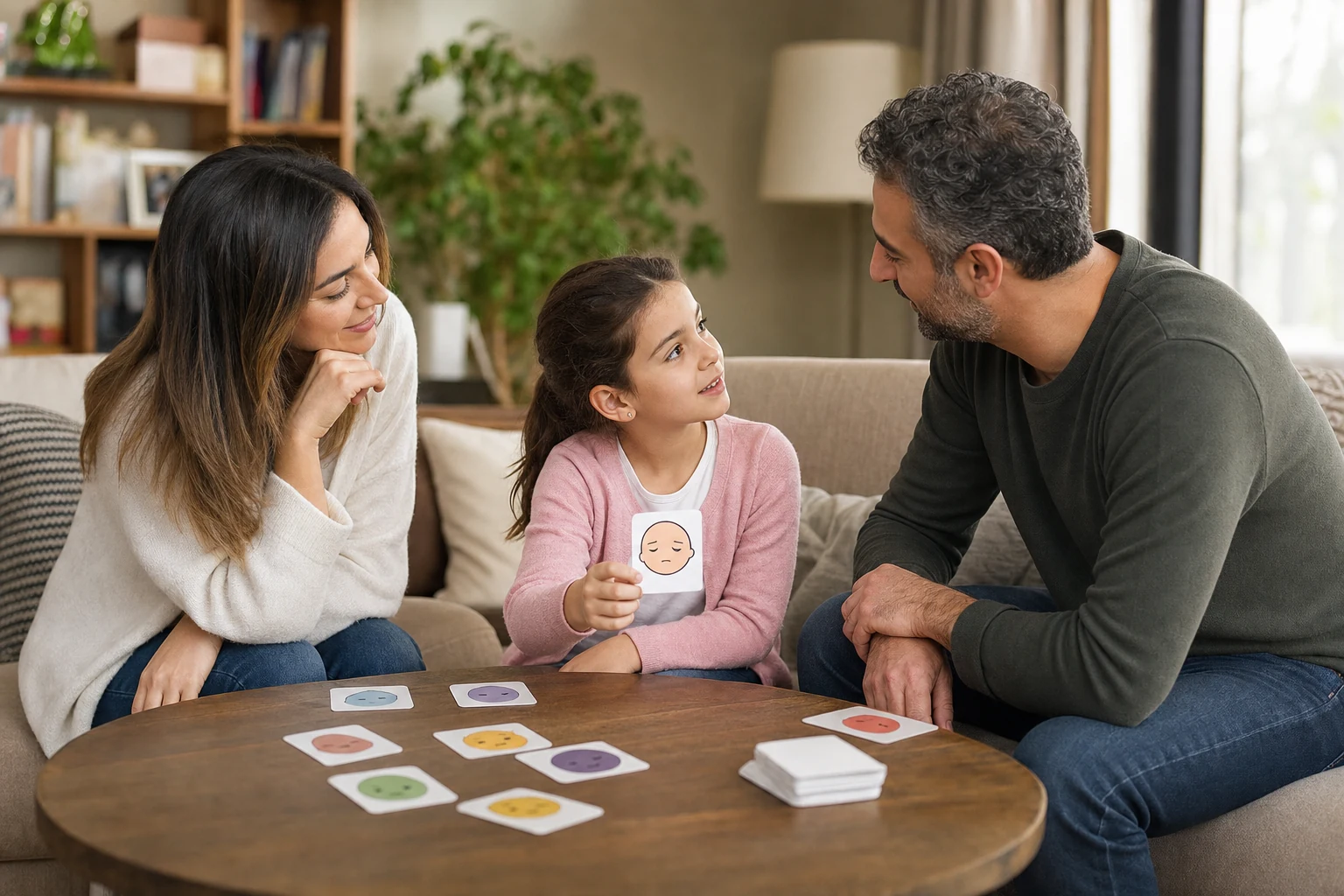
If protest starts, kneel to their level and name the feeling: 'You’re really into that picture. It’s hard to stop when you’re having fun.' This connects before you direct.
Play conflicts: sharing, taking turns, and gentle hands
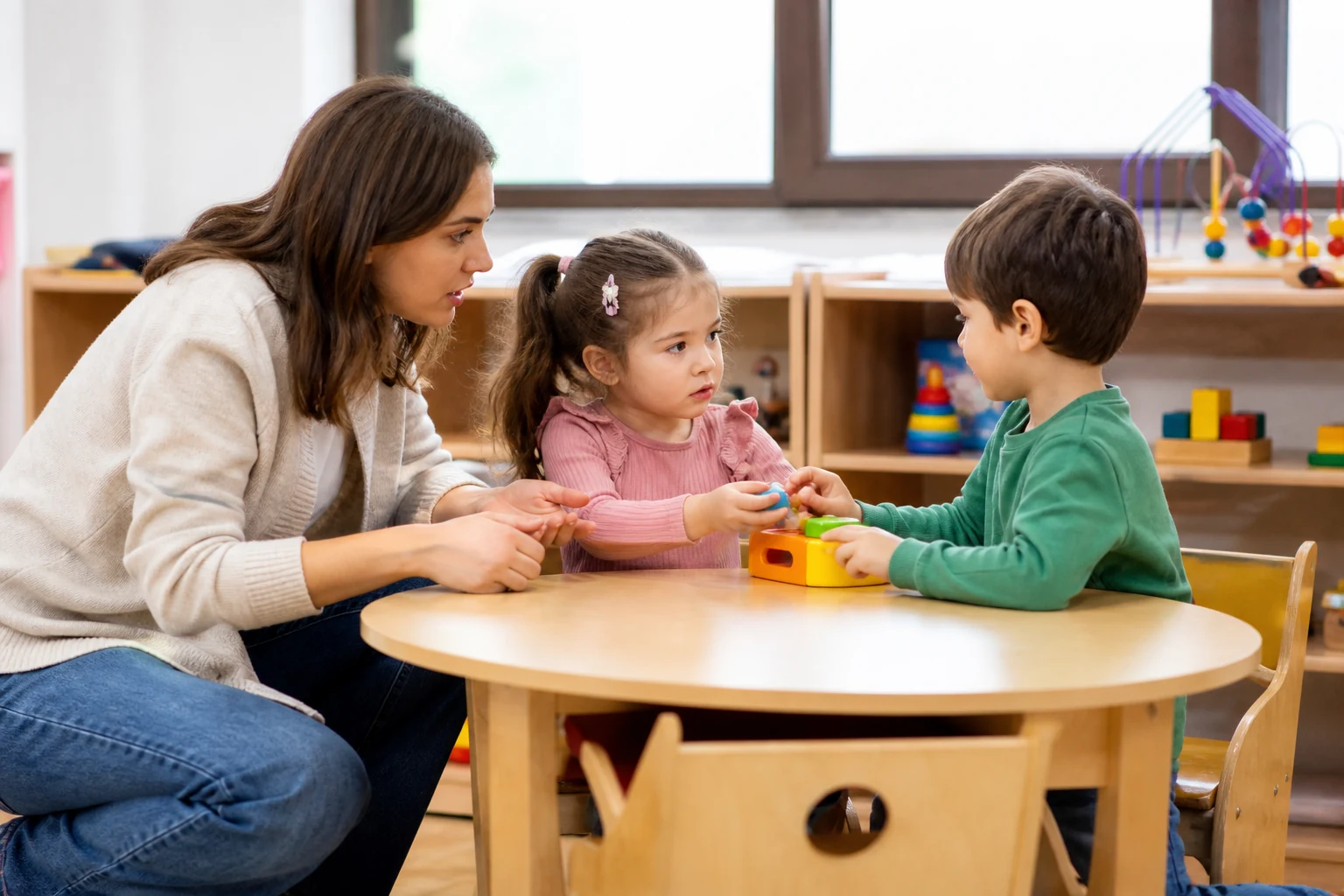
When two preschoolers want the same toy, hands often fly before words do.
If hitting or grabbing happens, stay calm and intervene without shame. Say, 'That hurt.
Waiting, meals, and dressing: building patience and cooperation
Waiting feels impossible when excitement is high. At the park or during mealtime, offer small ways to practice patience.
Meals can turn into power struggles when preferences clash with nutrition.
Dressing is another common flashpoint. Sensory sensitivities—like tags, seams, or textures—can make clothes feel unbearable. Check if the issue is comfort or control.
Leaving places and bedtime routines: endings that feel unfair
Leaving the park, a playdate, or school can feel like the end of the world to a preschooler.
Bedtime routines can turn into battles when overstimulation or fear takes over. Keep the routine predictable: bath, pajamas, story, lights out. Offer a small comfort item, like a stuffed animal or a nightlight.
Tools that work: connection before direction
The most effective tools for preschool behavior aren’t rewards or punishments. They’re small, everyday actions that build trust and teach skills.
One-step, positively worded limits
Instead of 'Stop running!' try 'Walking feet inside, please.' Instead of 'Don’t grab!' say 'Gentle hands, please.' Positively worded limits tell your child what to do, not what not to do.
Visual or predictable routines
Preschoolers thrive on predictability. Use a picture schedule for the morning routine or a visual timer for transitions. Say, 'After breakfast, we brush teeth.
Two acceptable choices
Offering two choices gives your child a sense of control while keeping the outcome within your limits.
Rehearsal through play
Skills like asking for a turn, waiting, or calming down can be practiced during calm moments.
Calm body safety
When emotions escalate, your calm presence is the most powerful tool. Kneel to their level, lower your voice, and breathe slowly. Say, 'I’m right here.
Short repair after regulation
Once your child is calm, offer a quick way to repair.
Specific encouragement
Instead of generic praise like 'Good job,' try specific encouragement: 'You waited so patiently for your turn. That was kind.' This builds self-esteem and reinforces the skill you want to see.
A week in the life: a practical table
| Routine | Trigger | Child signal | Adult response | Recovery | Next adjustment |
|---|---|---|---|---|---|
| Morning routine | Rush to get dressed | Drops to floor, cries | Kneel, name feeling: 'You’re frustrated. Let’s try one sock at a time.' Offer choice: 'Red shirt or blue shirt?' | Child puts on shirt with help | Practice dressing with timer at home |
| Park visit | End of playtime | Lies on ground, kicks feet | Give five-minute warning with timer. Say, 'Five more minutes, then we go.' Offer choice: 'Do you want to push the stroller or hold my hand?' | Child walks to car with hand held | Pack a small toy for the car ride next time |
| Mealtime | Refuses to eat broccoli | Pushes plate away, yells | Stay calm. Say, 'You don’t have to eat it, but this is what’s for dinner.' Offer choice: 'Carrots or apple slices after?' | Child eats apple slices | Serve broccoli with a dip next time |
| Playdate | Another child grabs toy | Hits, yells 'Mine!' | Move close. Say, 'I see two friends who want the truck. Hands are not for hitting.' Offer alternative: 'Ask, "Can I have a turn?"' Set timer for turns. | Child asks for turn after timer | Rehearse asking for turns during calm play |
| Bedtime routine | Lights out | Calls for water, bathroom | Acknowledge: 'You’re not ready to sleep yet.' Offer comfort: 'One sip of water, then lights out.' Stay calm and consistent. | Child falls asleep after sip | Add a nightlight if fears arise |
This table shows how small supports can turn tough moments into learning opportunities. The goal isn’t perfection; it’s progress. Notice what works and adjust as needed.
When to reach out for extra support
Most preschool behavior improves with consistent, calm support. But sometimes, behavior changes suddenly, causes serious harm, or persists across settings despite your best efforts.

Sudden major changes in behavior, persistent severe distress, repeated serious harm, loss of skills, abuse concern, or immediate danger warrant timely support according to urgency.
You’re not alone in this. Every family faces tough moments, and every child learns at their own pace.
Respecting each child’s pace and context
Every child is unique. Temperament, disability, neurodiversity, sensory differences, trauma, multilingual development, culture, family structure, and childcare context all shape behavior. What works for one child may not work for another.
This guide isn’t about fixing behavior. It’s about understanding the skills behind the actions and offering small, consistent supports that help your child grow.
"Health Disclaimer: This content is provided for general informational purposes only and does not constitute personal medical advice, diagnosis, or treatment. Always seek the advice of a qualified health professional with any questions you may have regarding your health or your child's health."
Was this article helpful?
Fast Summary
- Preschool behavior reflects developing skills, not disrespect.
- Use a simple pattern to spot the unmet need behind the action.
- Connect before you direct; offer small supports to build skills.
- Respect each child’s pace and context; seek help when needed.
Tools for this Age
Checklist
Popular Topics
This topic at other ages· Behavior
Frequently Asked Questions
- 1
Show 3 moreCollapse
- 2
- 3
- 4
Editorial Note
If behavior suddenly changes, causes serious harm, or persists across settings despite consistent support, contact your local early-years service, child health provider, or child protection team promptly.