 lumiya.com.tr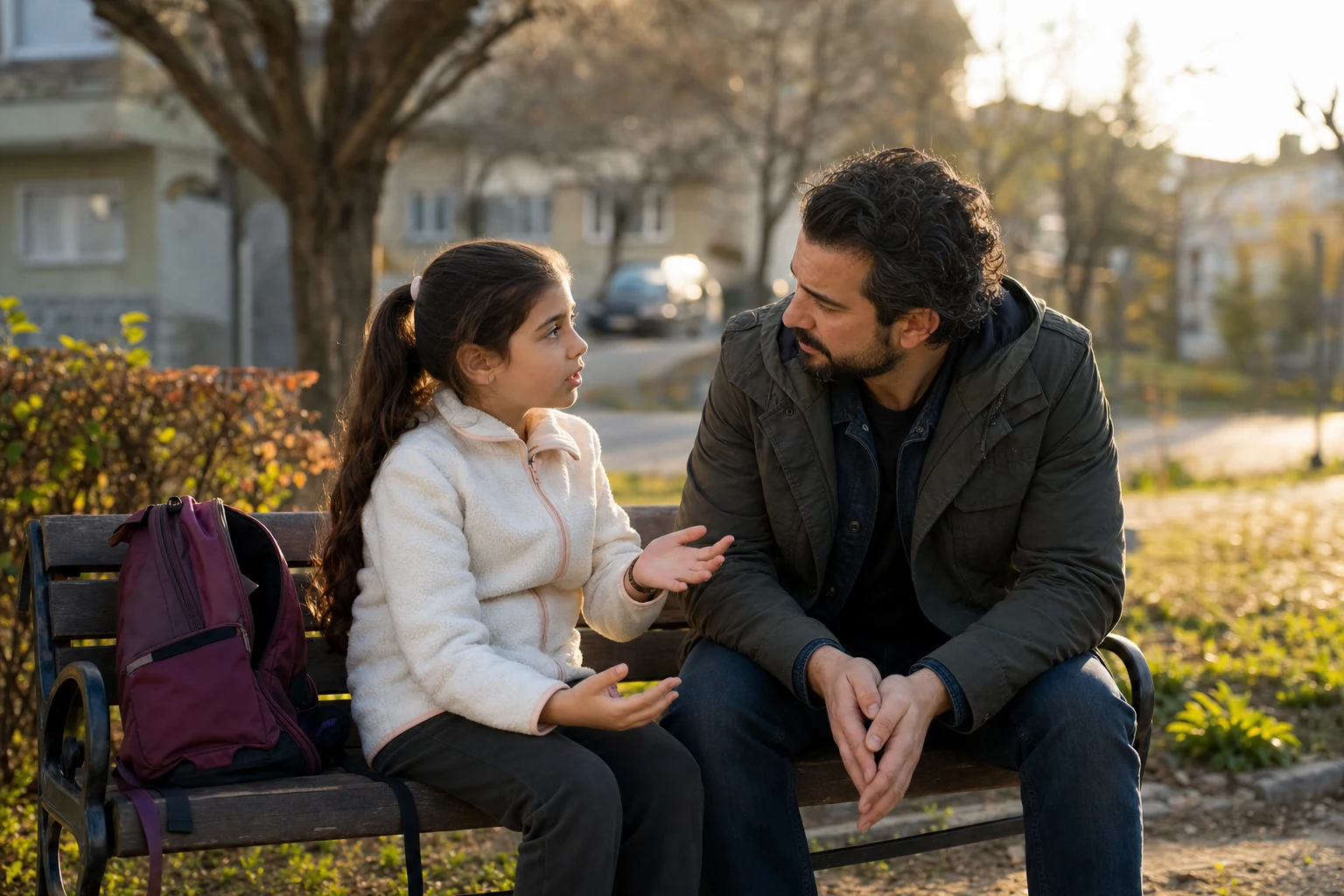
6-9 Years Behavior: A Parent’s Practical Guide
Learn how to decode everyday behavior in 6-9 year olds and respond with calm, practical strategies that build connection and skill.
Why Behavior Feels Like a Puzzle
Everyday moments with a 6-9 year old can feel like a puzzle: one minute they’re focused on building a tower, the next they’re melting down over a lost sock. Behavior isn’t a fixed flaw—it’s a signal shaped by skills, needs, context, and relationships. A child who shouts during transitions may need help with planning; one who dawdles over chores might be testing independence or struggling with fine motor tasks. Instead of labeling actions as 'naughty' or 'lazy,' ask: What skill is missing here?

Behavior is communication. The louder the outburst, the quieter the message often is.
Start small. Notice what happens before the behavior, the action itself, and what follows. A child who refuses to put on shoes before school may be overwhelmed by the routine or craving connection after a long separation. The goal isn’t perfect compliance but steady progress in skills like patience, problem-solving, and emotional regulation.
Spot the Triggers: A Simple Observation Method
Use a quick four-step lens to decode behavior:
- Before: What happened right before? (e.g., a transition, hunger, a sibling comment)
- Behavior: What did you see or hear? (e.g., crying, throwing, silence)
- After: What followed? (e.g., attention, escape from task, apology)
- Skill gap: What skill might be missing? (e.g., planning, frustration tolerance, communication)
This method keeps reactions calm and responses targeted. For example, if a child slams a book shut during homework, the trigger might be difficulty with a concept. The skill gap could be persistence or asking for help. Test a small change, like breaking the task into two parts or sitting beside them for five minutes.
Try This Table for Seven Days
| Situation | Trigger | Child Signal | Adult Response | Outcome | Next Adjustment |
|---|---|---|---|---|---|
| Morning rush | Rushing to get dressed | Whining, slow movement | Offer two choices: 'Do you want the red shirt or blue shirt?' | Picked shirt, got dressed faster | Add a visual checklist the night before |
| Homework time | Hard math problem | Shouting, pushing paper away | Say, 'I see this is tricky. Let’s take a breath and try one step at a time.' | Took a break, returned calmly | Practice similar problems together before homework |
| Sibling fight | Toy sharing | Hitting, screaming | 'I won’t let anyone get hurt. Let’s take turns with the toy.' | Took turns, shared for 2 minutes | Set a timer for toy use and praise cooperation |
| Bedtime routine | Delaying sleep | Arguing about pajamas | 'Pajamas go on, then we read one story.' | Put on pajamas, read story | Move story time earlier to allow more wind-down |
| Grocery store | Leaving without a treat | Kicking, crying | 'We’re leaving now. You can choose a fruit for tomorrow’s snack.' | Chose apple, calmed down | Pack a small snack to eat before leaving |
| Playdate end | Friend leaving | Clinging, crying | 'It’s time to say goodbye. I’ll help you wave.' | Waved, calmed with a hug | Practice goodbye rituals at home first |
| After-school snack | Hungry and tired | Irritable, snapping | Offer water and a protein snack like cheese or nuts. | Ate, mood improved | Keep snacks ready in backpack |
Build Calm Connections, Clear Limits
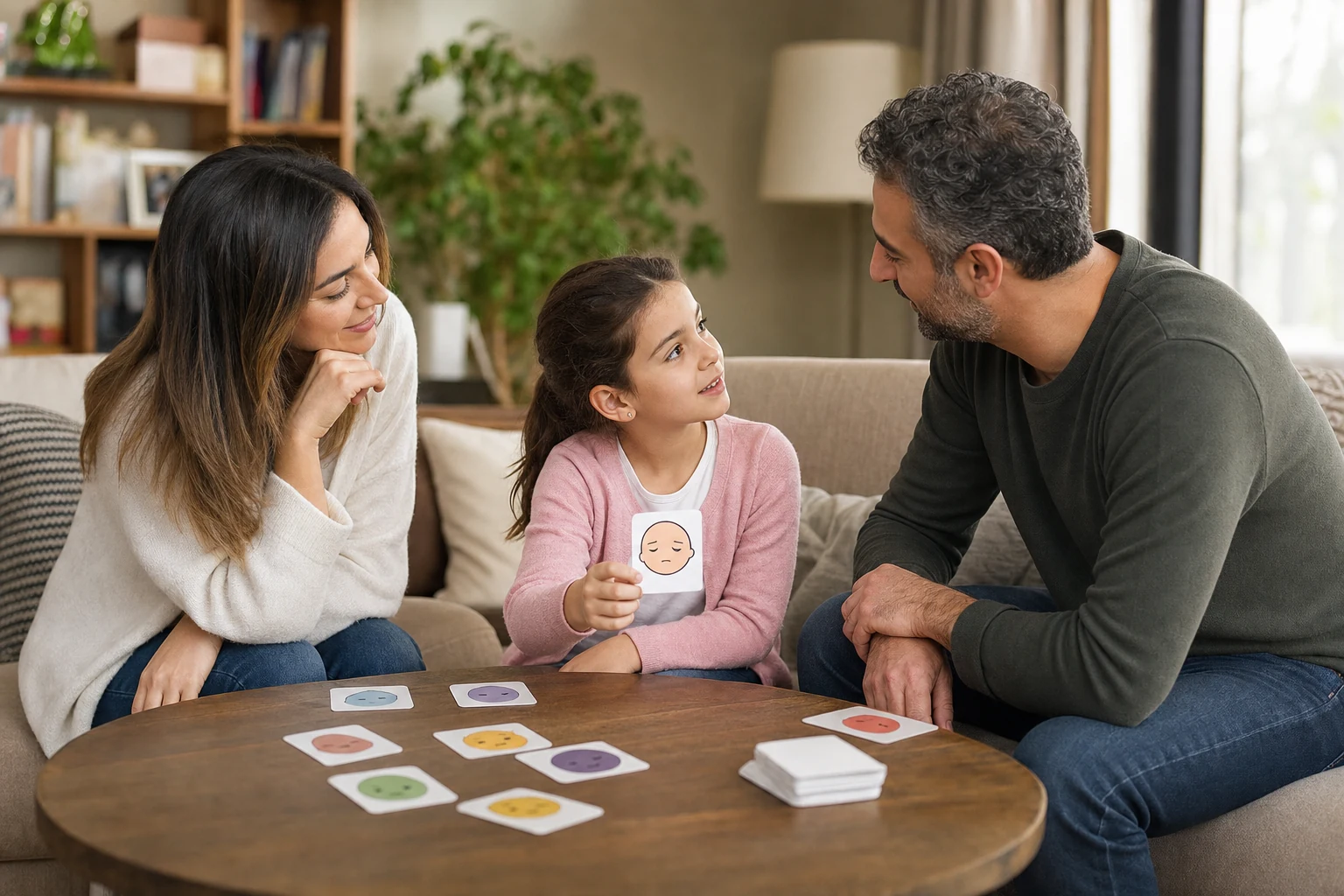
Connection calms the brain. Before setting limits, pause and name the feeling: 'You’re really upset about leaving the park.' This shows you see their emotion without agreeing with the behavior. Then, state the limit simply: 'We leave the park now. You can choose to walk or skip.' Offering two acceptable choices gives a sense of control while keeping the boundary firm.
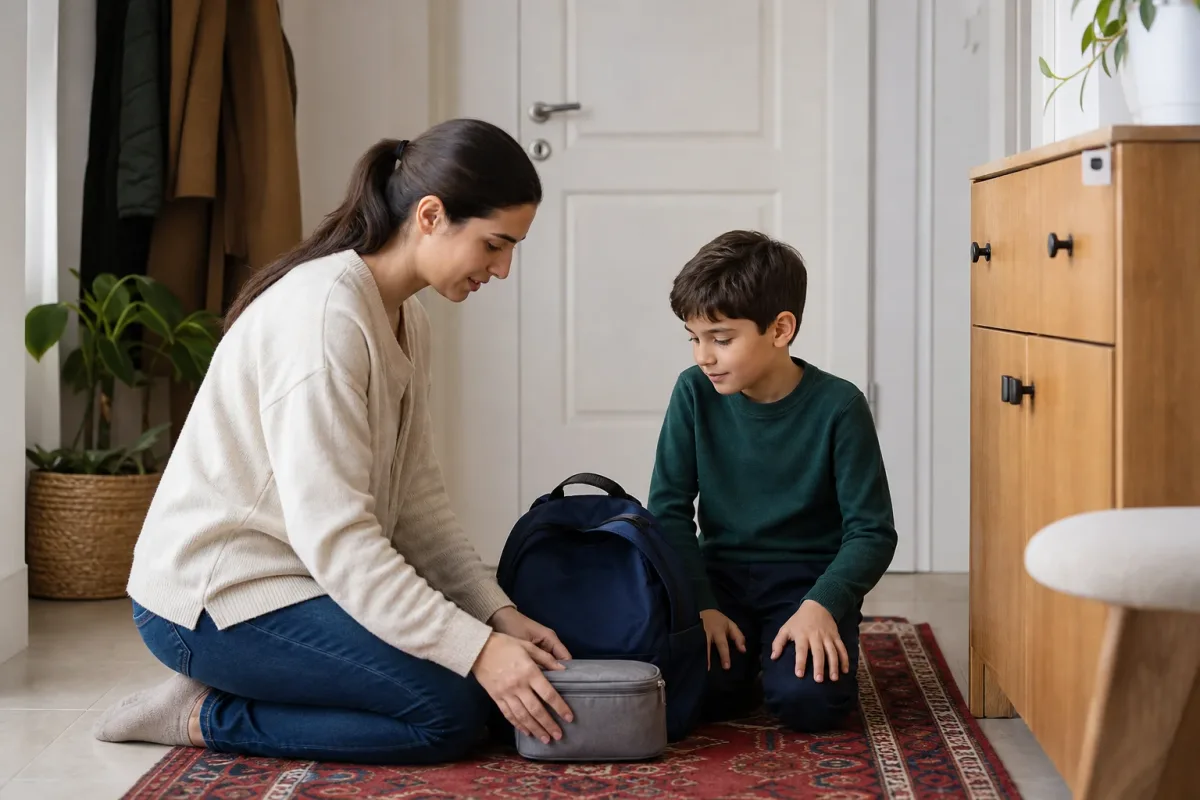
Routines create predictability. Children thrive when they know what to expect. A visual schedule with pictures can help a child see the order of events: breakfast, brush teeth, backpack check. Practice the routine on a calm weekend morning to build confidence before school days.
Rehearse Outside the Storm
Practice skills when emotions are low. Role-play transitions: 'When the timer rings, we put toys away.' Rehearse calm responses to frustration: 'If you feel mad, you can squeeze this stress ball or take three deep breaths.' Praise effort during practice: 'You remembered to take a breath—that’s great!' This builds muscle memory for tougher moments.
Encourage Specific Skills, Not Just Compliance
Instead of vague praise like 'Good job,' try specific encouragement: 'You kept trying even when it was hard—that’s persistence.' This teaches children to notice their own effort and progress. For chores, break tasks into tiny steps: 'First, put the toys in the bin. Next, wipe the table.' Celebrate small wins to build confidence.
When mistakes happen, guide logical repair. If a child knocks over a glass, say, 'The glass is broken. Let’s clean it up together with a towel and then tell Mom we need a new one.' This teaches responsibility without shame.
Coordinate with School for Consistency
Teachers see a different side of your child. Share what you’re noticing at home and ask about their experience. If homework is a daily struggle, ask the teacher to check for understanding in class or adjust the amount. If transitions are hard, request a five-minute warning before changes. A quick note or email keeps everyone aligned.
When to Seek Extra Support
Most behavior shifts with small changes, but some signals warrant attention. If a child’s behavior suddenly changes across settings, or if they lose skills they once had, it’s time to talk to their teacher or pediatrician. Severe sleep or eating changes, self-harm talk, or any behavior involving violence or abuse concerns requires urgent local support. Trust your instincts—you know your child best.
Small Steps, Steady Progress
Guiding behavior in the 6-9 years isn’t about perfection. It’s about noticing patterns, testing small changes, and building skills one step at a time. Celebrate progress, not just outcomes. When a child tries a new strategy—like taking a breath instead of hitting—point it out: 'I saw you take a breath when you felt mad. That helped you stay calm.'

Behavior changes when the environment changes. Start with what you can control: routines, connection, and clear limits.
Keep your toolkit simple: calm connection, short limits, predictable routines, two choices, rehearsal, logical repair, specific encouragement, and school coordination. With patience and practice, everyday moments become opportunities to build resilience and skill.
"Health Disclaimer: This content is provided for general informational purposes only and does not constitute personal medical advice, diagnosis, or treatment. Always seek the advice of a qualified health professional with any questions you may have regarding your health or your child's health."
Was this article helpful?
Fast Summary
- Behavior is communication, not a character flaw—look for the skill gap behind the action.
- Use simple observation to spot triggers and test small changes.
- Teach calm connection, clear limits, and predictable routines.
- Coordinate with school to reinforce consistency across settings.
Tools for this Age
Checklist
Popular Topics
This topic at other ages· Behavior
Frequently Asked Questions
- 1
Show 3 moreCollapse
- 2
- 3
- 4
Editorial Note
If behavior suddenly changes, persists across settings, or involves violence, abuse concerns, loss of skills, severe sleep or eating changes, self-harm talk, or immediate danger, seek timely local educational, child-health, mental-health, safeguarding, or emergency support according to urgency.