 lumiya.com.tr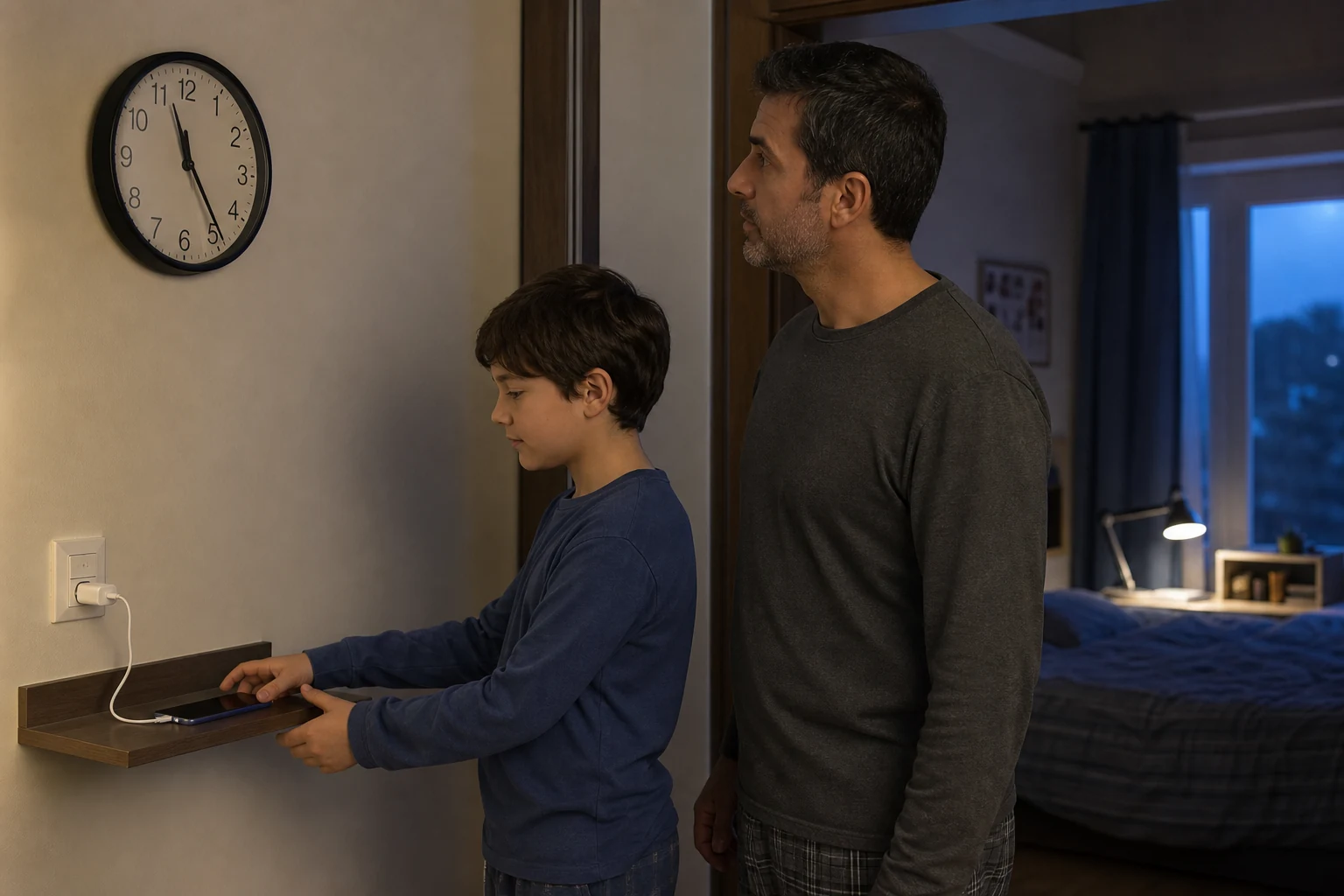
9-12 Years Sleep Guide: Practical Help for Parents
Learn how to track your child’s sleep patterns, adjust routines, and choose one small experiment to improve sleep without rigid rules or blame.
Sleep problems in children aged 9-12 often look different than in younger kids or adults. You might notice your child taking longer to settle, waking up multiple times at night, waking too early, or struggling to stay awake during the day. These aren’t just bedtime battles—they’re signals worth paying attention to.
Spot the pattern without blame
Start by creating a simple, two-week sleep and daytime-function log with your child’s participation. This isn’t about tracking every minute or judging behavior—it’s about noticing trends together. Use a notebook, a shared digital doc, or even a whiteboard in the kitchen.

A two-week log helps you see if sleep issues are tied to specific nights, activities, or stressors—without making your child feel watched or criticized.
Keep the tone neutral and collaborative. For example, if your child stays up late on weekends, note it without labeling it as “bad.” Instead, ask, “What felt different that night?” This builds trust and helps your child take ownership of small changes later.
What to watch for in the log
- Difficulty settling: More than 30 minutes to fall asleep on most nights.
- Repeated night waking: Waking more than twice a night, or for more than 10 minutes each time.
- Early waking: Consistently waking before 6:00 AM on school days.
- Weekend vs. school-day timing: A two-hour or more difference in wake times between weekdays and weekends.
If you notice persistent loud snoring, witnessed breathing pauses, blue color, unusual movements, pain, injury risk, marked daytime sleepiness, regression, sustained school or family impairment, significant distress, or caregiver safety concerns, seek timely local professional assessment. Immediate breathing or safety danger requires emergency help.
Pick one small experiment
After two weeks, review the log together. Look for one modifiable factor you can test for another two weeks. The goal isn’t a quick fix—it’s a gentle experiment to see what helps. Choose something within your control, like wind-down cues, schedules, homework timing, evening stimulation, movement, caffeine exposure, bedroom conditions, or caregiver consistency.
Ideas for experiments
| Experiment | How to try it | What to watch for |
|---|---|---|
| Wind-down cues | Start a 30-minute routine 60–90 minutes before bed: dim lights, soft music, or a book. | Faster settling, fewer night waking episodes. |
| Schedule consistency | Adjust bedtime and wake time by 15 minutes every 2–3 days until aligned with school days. | Earlier wake times without early waking. |
| Homework timing | Move homework to before dinner or right after school, not late evening. | Less bedtime resistance, quicker settling. |
| Evening stimulation | Swap screens for quiet activities like puzzles or drawing 60 minutes before bed. | Reduced night waking, calmer mind at bedtime. |
| Movement balance | Ensure 60 minutes of moderate-to-vigorous activity daily, but avoid intense exercise 2 hours before bed. | Deeper sleep, fewer disruptions. |
| Caffeine check | Limit soda, energy drinks, or chocolate after 2 PM. | Fewer night waking episodes, easier settling. |
| Bedroom conditions | Keep the room cool (68–72°F), dark, and quiet. Use a nightlight if needed. | Fewer early waking episodes, more restful sleep. |
| Caregiver consistency | Agree on bedtime routines and wake times with all caregivers. | Fewer mixed signals, smoother transitions. |

Small, consistent changes often work better than big overhauls. Focus on one experiment at a time and track its impact together.
For example, if your child’s log shows late-night homework struggles, try moving homework to right after school for two weeks. If screens are a problem, shift them to an hour before bedtime and note any changes. The goal is to test one variable at a time, so you can see what truly makes a difference.
Build trust and autonomy
Children in this age group are developing independence and privacy. Avoid covert checks, surveillance, or punishment tied to sleep. Instead, frame the log and experiments as a team effort. Ask your child, “What part of the routine feels hardest for you?” or “What would make bedtime feel easier?” This respects their growing autonomy while keeping you both informed.
Respect their space
- Let your child choose their wind-down activity (reading, drawing, listening to audiobooks).
- Use a nightlight if they’re afraid of the dark—it’s not a regression.
- Avoid bargains like “If you sleep well, you’ll get a prize.” Instead, focus on routines and consistency.
When to seek help
Not all sleep challenges need a professional. But some signs suggest it’s time to reach out:
- Persistent loud snoring or breathing pauses.
- Witnessed gasping or choking during sleep.
- Blue color around lips or face during sleep.
- Unusual movements like sleepwalking or night terrors that increase in frequency.
- Pain, injury risk, or frequent nightmares that disrupt the whole family.
- Marked daytime sleepiness affecting school performance or mood.
If your child shows signs of sleep-disordered breathing, pain, or immediate danger, seek help right away. Don’t wait for a “perfect” experiment to conclude.
Daytime habits that support sleep
Sleep isn’t just about bedtime—it’s shaped by the entire day. Encourage routines that support natural sleep pressure:
- Morning sunlight: 10–15 minutes outside within an hour of waking helps regulate the body clock.
- Consistent meals: Regular breakfast, lunch, and dinner times support energy and sleep cycles.
- Limited caffeine: Avoid soda, energy drinks, or chocolate after 2 PM.
- Evening wind-down: Start dimming lights and reducing stimulating activities 60–90 minutes before bed.
Keep expectations realistic
Sleep patterns in this age group are still developing. The brain’s circadian rhythm shifts later during puberty, which can make early bedtimes feel impossible. Rigid universal bedtimes often backfire. Instead, focus on small, sustainable changes and celebrate progress—not perfection.
What to avoid
- Blame or comparison: “Your cousin sleeps fine at your age.”
- Punishment: “No screen time tomorrow if you don’t sleep well tonight.”
- Over-reliance on fixes: Melatonin, supplements, or weighted products aren’t substitutes for healthy routines.
- Surveillance: Avoid tracking devices or apps without your child’s knowledge.
A sample two-week plan
Here’s how one family approached their log and experiment:
Week 1: Track bedtime, wake time, night waking, and daytime sleepiness. Note homework timing and screen use.
Week 2: Introduce a 30-minute wind-down routine (dim lights, soft music, no screens) 60 minutes before bed. Keep the log going.
Review: Compare the two weeks. If night waking decreased or settling improved, keep the routine. If not, try a different experiment—like moving homework earlier.
Final takeaways
Sleep problems in 9-12-year-olds are common and often tied to routines, schedules, or stress—not just willpower. A neutral log and one small experiment can help you both understand what’s working. Focus on collaboration, not control, and seek help if patterns suggest a deeper issue. Small, consistent steps build better sleep habits over time.
Remember: You’re not fixing a problem—you’re building a routine that works for your child’s growing body and mind. And if something feels off, trust your instincts and reach out to a local professional for guidance.
"Health Disclaimer: This content is provided for general informational purposes only and does not constitute personal medical advice, diagnosis, or treatment. Always seek the advice of a qualified health professional with any questions you may have regarding your health or your child's health."
Was this article helpful?
Fast Summary
- Sleep problems in 9-12-year-olds often show up as trouble settling, night waking, early waking, or daytime sleepiness—distinct from a diagnosis.
- Create a neutral two-week sleep and daytime-function log with your child’s participation to spot patterns without blame.
- Pick one small, modifiable experiment—like wind-down cues, schedules, or evening stimulation—to test for two weeks.
- Persistent loud snoring, breathing pauses, pain, or marked daytime sleepiness need timely local professional assessment.
Tools for this Age
Checklist
Popular Topics
This topic at other ages· Sleep
Frequently Asked Questions
- 1
Show 3 moreCollapse
- 2
- 3
- 4
Editorial Note
Sleep problems in children aged 9-12 can range from difficulty settling to daytime sleepiness, but these are descriptions, not diagnoses. If your child shows persistent loud snoring, witnessed breathing pauses, unusual movements, pain, injury risk, marked daytime sleepiness, regression, school or family impairment, significant distress, or caregiver safety concerns, seek timely local professional assessment.…