 lumiya.com.tr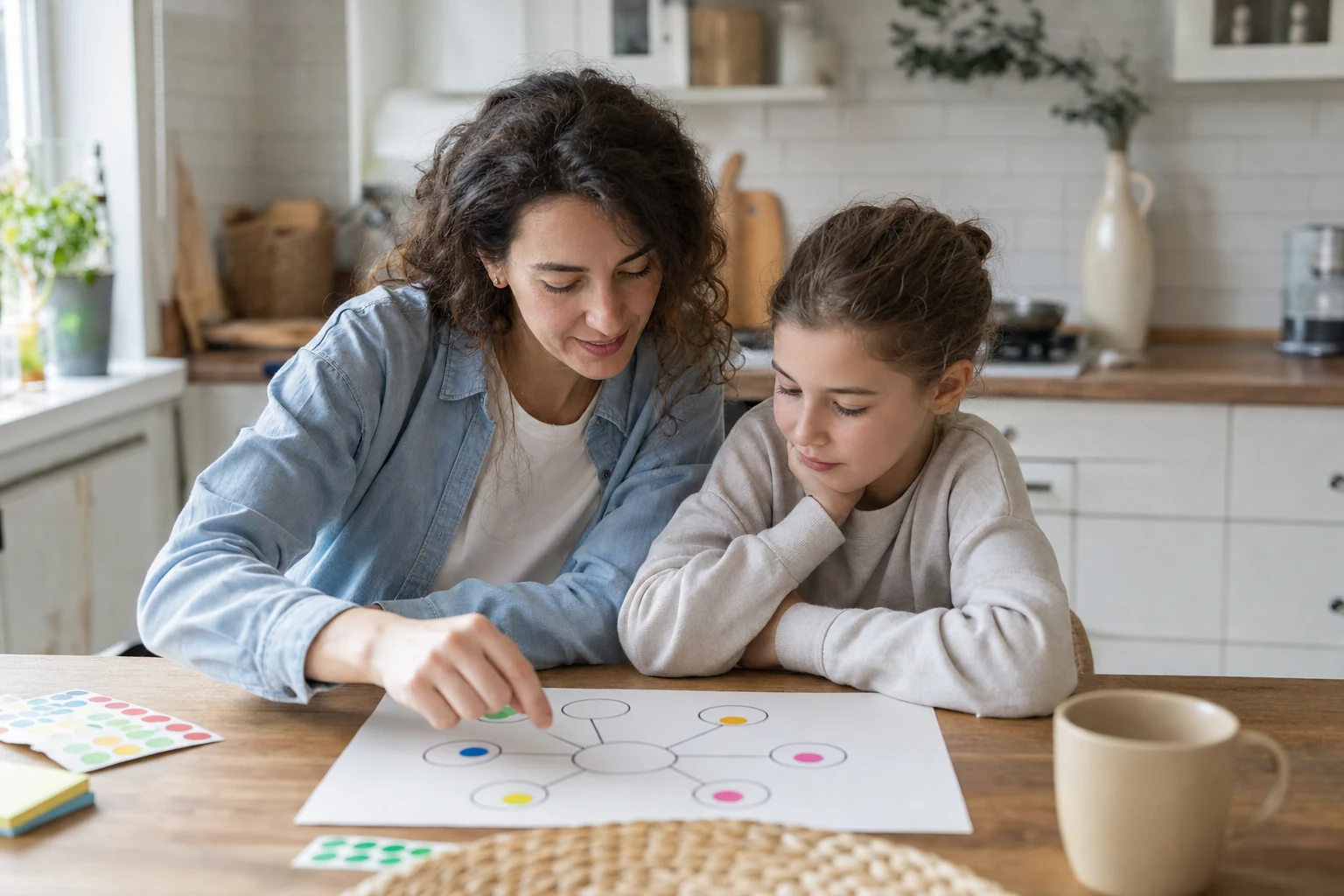
When Your 6-9 Year Old Keeps Saying 'No': A Parent’s Guide to Stubbornness and Big Feelings
Stubbornness in 6–9-year-olds is often a sign of growing independence, not defiance. Learn how to respond with calm boundaries, clear choices, and collaborative problem-solving to reduce power struggles while supporting their emotional development.
Understanding Stubbornness in 6–9-Year-Olds
Between ages 6 and 9, children are developing a stronger sense of independence while still relying on adults for guidance. Stubbornness often shows up as resistance to routines, requests, or transitions—not because your child is trying to challenge you, but because they’re testing their own limits and preferences.

Children this age may say “no” repeatedly not to upset you, but to assert their growing sense of self. Their brains are still learning to balance emotions with problem-solving, which can lead to frustration when things don’t go their way.
Common triggers include unclear rules, too many demands at once, hunger, fatigue, or sensory overload from busy environments. For example, a child might refuse to put on shoes after school not because they’re being difficult, but because they’re exhausted from the day and the shoes feel uncomfortable. Observing what happens before, during, and after the resistance can help you identify patterns and adjust your approach.
Common Causes Behind the ‘No’
Stubbornness in this age group rarely exists in a vacuum. Often, it’s connected to one or more underlying factors that may not be obvious at first glance. Hunger and fatigue are frequent culprits—even small changes in routine or missed snacks can lower a child’s ability to cope.
Sensory sensitivities may play a role too. A tag in a shirt, a loud noise, or a crowded space can create discomfort that manifests as resistance. Anxiety about upcoming events, like a test at school or a social gathering, can also lead to stubborn behavior as a way to regain control.
Peer or school stress can spill over into home life as well. If a child feels overwhelmed by academic demands or social pressures, they may push back at home as a way to release built-up tension. Inconsistent limits between caregivers or between home and school can reinforce stubbornness, as children learn that persistence pays off in some settings but not others.
What to Do Before the Next ‘No’
Prevention is often more effective than reaction when it comes to stubbornness. Start by choosing one clear expectation to focus on during calm moments—perhaps getting ready for bed without arguing or putting toys away after playtime.
Offering limited acceptable choices can give your child a sense of control while keeping the outcome manageable. For example, instead of asking, “What do you want to wear?” try, “Do you want to wear the blue shirt or the green one?” This approach respects their autonomy while guiding them toward cooperation.
Acknowledge their feelings even as you hold the boundary. Saying, “I see you’re frustrated, and it’s time to put your shoes on,” validates their emotions without giving in to the demand.
Repairing After the Conflict
Conflict is a normal part of parenting, and how you handle it can strengthen your relationship over time. After a stubborn episode, take a moment to repair the connection. Start by modeling calm behavior yourself—take a few deep breaths if needed, then approach your child with curiosity rather than criticism.
Repair doesn’t mean ignoring the boundary or giving in to demands. It means acknowledging the emotions involved and showing that you’re on the same team. For example, “I know it was tough to stop playing, and I’m here to help you get ready.” This approach teaches emotional regulation and problem-solving without resorting to punishment or shame.
Collaborative planning during calm moments can prevent future conflicts. Sit down together to discuss routines, challenges, and solutions. Use visual schedules or checklists to make expectations clear and give your child a sense of predictability. Involve them in problem-solving, such as brainstorming ways to make mornings smoother or choosing a reward for cooperation.
Working with Caregivers and School
Consistency between caregivers and school settings is key to reducing stubbornness over time. If your child resists at home but cooperates at school, explore what’s different in each environment. Are the expectations clearer at school? Are transitions more structured? Share observations with teachers or other caregivers to align approaches.
For example, if your child struggles with transitions at home but manages them well at school, ask the teacher what strategies they use. Perhaps they use a timer or a visual countdown to signal changes. You can try similar techniques at home to create consistency.
Open communication between home and school also helps identify patterns. If stubbornness spikes on certain days, check for external factors like upcoming tests, social challenges, or changes in routine. Addressing these issues together can reduce resistance and support your child’s overall well-being.
Practical Tools for Everyday Moments
| Situation | What to Say | What to Avoid |
|---|---|---|
| Morning rush | “It’s time to get dressed. You have two choices: the red shirt or the blue one.” | “Hurry up or we’ll be late!” or “Why do you always make this so hard?” |
| Homework time | “First, let’s do the math problems. Then you can take a 5-minute break.” | “You need to finish this now or no screen time tonight.” |
| Bedtime resistance | “Pajamas go on first, then we read a story.” | “If you don’t go to bed now, you’re in trouble.” |
These scripts keep expectations clear while giving your child a sense of control. Pair them with positive reinforcement, such as specific praise or a small reward for cooperation, to encourage repeat behavior.
When to Seek Extra Support
Most stubbornness in 6–9-year-olds is temporary and tied to developmental stages. However, some behaviors may signal deeper challenges. If your child’s resistance is paired with aggression, self-harm talk, or a sudden drop in school performance, it’s worth exploring further. Major changes in daily function, such as refusing to eat, sleep disturbances, or social withdrawal, also warrant attention.

Persistent stubbornness across multiple settings—home, school, and public places—can indicate underlying needs that require professional guidance. A pediatrician or child psychologist can help assess whether anxiety, ADHD, or other factors are contributing to the behavior.
Early intervention can make a significant difference. If you’re unsure, start by talking to your child’s teacher or pediatrician. They can offer observations from other contexts and suggest next steps tailored to your child’s needs.
Building Long-Term Cooperation
Stubbornness doesn’t have to be a constant battle. By focusing on collaboration, clear expectations, and emotional validation, you can reduce power struggles and build a stronger relationship with your child. Remember that this phase is temporary, even if it feels overwhelming in the moment.
Your child’s “no” is often a request for more control, not a rejection of you. By meeting their need for autonomy within safe boundaries, you’re teaching them to navigate challenges with confidence and resilience.
Over time, consistent strategies will help your child develop better emotional regulation and problem-solving skills. Celebrate small wins, stay patient, and trust that this phase will pass as your child grows and learns.
"Health Disclaimer: This content is provided for general informational purposes only and does not constitute personal medical advice, diagnosis, or treatment. Always seek the advice of a qualified health professional with any questions you may have regarding your health or your child's health."
Was this article helpful?
Fast Summary
- Stubbornness in 6–9-year-olds usually reflects a need for control, not defiance.
- Clear expectations, limited choices, and calm acknowledgment of feelings help reduce resistance.
- Collaborative planning during calm moments builds cooperation and problem-solving skills.
- Consistent limits and teamwork between caregivers and school support long-term success.
Tools for this Age
Checklist
Popular Topics
This topic at other ages· Temper Tantrums
Frequently Asked Questions
- 1
Show 3 moreCollapse
- 2
- 3
- 4
Editorial Note
Stubbornness or frequent resistance in children can sometimes signal underlying challenges such as anxiety, sensory overload, or skill gaps. If behaviors cause marked distress, danger, or interfere with daily life across settings, consider consulting a pediatrician, school counselor, or child psychologist for guidance tailored to your child’s needs.